

Close Menu
NCIJ Network NCIJ Network
    What's Hot

    Did Army detonate lead azide stockpile in crucial area for US food supply? Here’s context

    November 25, 2026

    Australia’s legless geckos evolved like snakes did

    November 25, 2026

    Despite heavy rains, farmers hope for a viable waterleaf harvest in Nigeria

    November 25, 2026
    Facebook X (Twitter) Instagram
    Trending
    • Did Army detonate lead azide stockpile in crucial area for US food supply? Here’s context
    • Australia’s legless geckos evolved like snakes did
    • Despite heavy rains, farmers hope for a viable waterleaf harvest in Nigeria
    • Every Cook County circuit judge wins retention, but voter scrutiny is growing
    • Movie Review: De Gaulle and the Art of European Defiance
    • Alleged footage of children locked in cages isn’t from Epstein files
    • “Les COP, c’est une blague” : les critiques enflent contre les sommets climatiques après l’échec à Antalya – POLITICO
    • Mims Davies: People are profiting on my likeness for AI porn
    • About
      • Our Team
      • Editorial Policy
      • Editorial Independence
      • International Support
    • Trust & Standards
      • AI Usage Policy
      • Conflict of Interest Policy
      • Corrections Policy
      • Ethics Policy
      • Fact-Checking Policy
      • Source Protection
    • Get Involved
      • Guide for Sources
      • Support Independent Journalism
    • Legal
      • Cookie Policy
      • Privacy Policy
      • Terms of Use
    Facebook X (Twitter) Instagram
    NCIJ Network NCIJ Network
    Wednesday, November 25
    • Home
    • World
    • Ai
    • Business
    • Politics
    • Health
    • Crypto
    • Science
    • Technology
    • Cybersecurity
    • Defense & Security
    • Economy
    • Energy
    • Europe
    • More
      • Fact Check
      • Investigations
      • Opinion & Analysis
      • Environment
    NCIJ Network NCIJ Network
    Home»Environment

    Despite heavy rains, farmers hope for a viable waterleaf harvest in Nigeria

    NCIJ NETWNCIJ NETWORKBy NCIJ NETWNCIJ NETWORKNovember 25, 2026 Environment No Comments3 Mins Read
    Share
    Facebook Twitter LinkedIn Pinterest Email

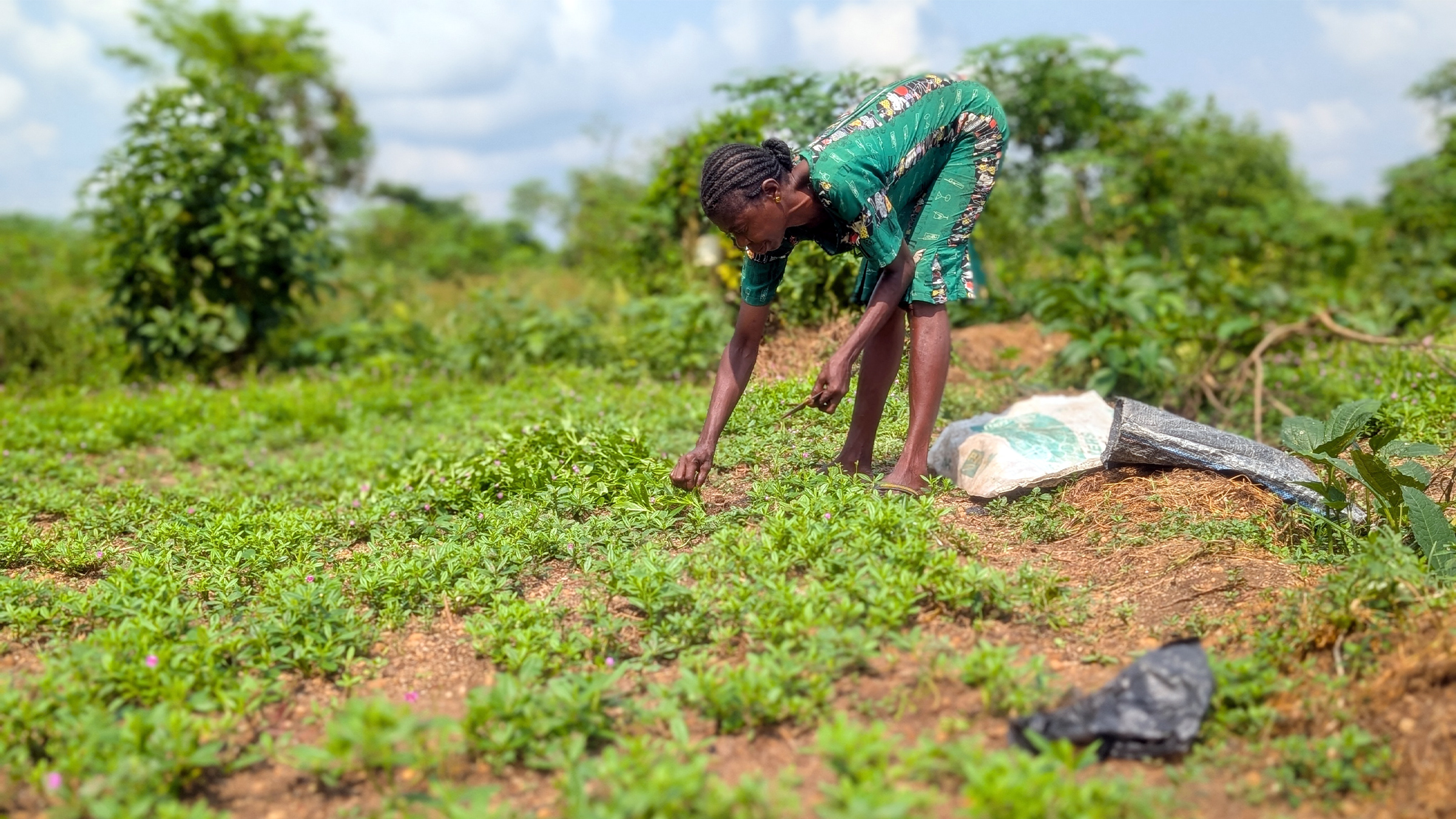
    • The waterleaf plant (Talinum fruticosum) forms a critical part of the Nigerian diet, regularly eaten in dishes such as afang and edikang ikong soups, but many plants have died in recent months of heavy rainfall.
    • The following photographs illustrate the waterleaf plant and some of the women farmers attempting to replant, with hopes of a successful crop.
    • Part 1 in this article series explains further about the changing rainfall patterns that are affecting waterleaf production.

    This is Part 2 in a two-part series on Nigerian waterleaf. Read Part 1 here.

    Except for the occasional roar of an airplane landing on the runway, it’s all quiet and lonely in the plantations surrounding the local airport in Calabar, southeastern Nigeria. Across the vast fields are strips of farmland studded with waterleaf crops grown by women farmers who depend on these crops for their livelihoods. Once harvested, these waterleaf plants are stuffed into large bags and ferried to local markets.

    But few of these crops have survived the relentless bursts of rain across Nigeria since June. As the rain continues for days on end, many stems become brittle and die shortly afterward. Others become shriveled, with wilting, yellowed leaves thirsting for sunlight.

    Left: Preparing crops for market. Right: Crop damage, stem cuttings shriveled from excessive rainfall. Images by Kingsley Charles.

    Among Nigeria’s most-consumed vegetables, waterleaf (Talinum fruticosum) is cherished for its culinary and therapeutic benefits. In southeastern Nigeria, it forms a key ingredient in staple sauces like afang and edikang ikong.

    Afang soup is made from Gnetum africanum and waterleaf. Image by Kingsley Charles.

    In September, Mongabay fellow and Nigerian journalist Kingsley Charles began covering the slump. He visited waterleaf farms and local markets across Calabar, where he spoke to dozens of farmers as well as consumers and vendors.

    Top: Farmer Martina Usang setting manure out in the sun’s heat. Bottom left: Heaps of bags containing decomposed manure on a farm in Calabar. Bottom right: Mature waterleaf crops blooming at a farm in downtown Calabar.
    Top: Farmer Martina Usang setting manure out in the sun’s heat. Bottom left: Heaps of bags containing decomposed manure on a farm in Calabar. Bottom right: Mature waterleaf crops blooming at a farm in downtown Calabar. Images by Kingsley Charles.

    While some growers have abandoned their farm plots to wait out the rainy season, others like Joy Okon, an elderly woman with gimlet eyes, continue to replant. Weeks prior, she’d planted roughly eight bags of stem cuttings without any success. Yet on a muggy morning in November, Okon was back on her farm, churning the crusty soil with the end of a long rusted knife, sticking the stems into the soil and sprinkling handfuls of manure over the mound afterward.

    These photographs illustrate a food crisis confronting Nigeria’s southern coastline.

    Top: An overcast afternoon on a farm, Nov. 5, 2026. Bottom left: Joy Okon sticks fresh stem cuttings into a new farm bed. Bottom right: Freshly planted stem cuttings.
    Top: An overcast afternoon on a farm, Nov. 5, 2026. Bottom left: Joy Okon sticks fresh stem cuttings into a new farm bed. Bottom right: Freshly planted stem cuttings. Images by Kingsley Charles.

    Banner image: Joy Cecilia plants waterleaf stems on her farm in Calabar. Image by Kingsley Charles.

    Cite this article

    Kingsley Charles (2026). Despite heavy rains, farmers hope for a viable waterleaf harvest in Nigeria. Mongabay Conservation news. DOI: https://doi.org/10.66709/news-337046


    farmers Harvest heavy hope Nigeria rains viable waterleaf
    NCIJ NETWNCIJ NETWORK
    • Website

    Keep Reading

    Kenyan communities take on Nigerian billionaire’s $16 billion refinery project as court adjourns hearing

    US Army says controlled blast of explosives in Iowa was ‘huge success’

    Nations hail new shark finning rules in the Atlantic. Conservationists say Japan blocked better ones

    Record 5,200 heat-linked deaths estimated in England this year

    New Paper Challenges Cruelty Exemptions for Food-Producing Animals

    Divided and displaced: Brazil’s Kaingang people wait for an end to illegal leasing conflict

    Add A Comment
    Leave A Reply Cancel Reply

    Editors Picks

    Did Army detonate lead azide stockpile in crucial area for US food supply? Here’s context

    November 25, 2026

    Australia’s legless geckos evolved like snakes did

    November 25, 2026

    Despite heavy rains, farmers hope for a viable waterleaf harvest in Nigeria

    November 25, 2026

    Every Cook County circuit judge wins retention, but voter scrutiny is growing

    November 25, 2026
    Latest Posts

    Iran-linked hackers blamed for cyber-attack that shut down UK power plant | Iran

    August 23, 2026

    Burning Questions Confront Wildland Firefighters in Maine and Across New England

    August 23, 2026

    Curiosity Blog, Sols 4982–4987: Back to Our Regularly Scheduled Programming

    August 23, 2026

    Subscribe to News

    Get the latest sports news from NewsSite about world, sports and politics.

    NCIJ Network is an independent digital news platform delivering trusted investigative journalism, European and global news, in-depth analysis, and fact-based reporting with accuracy, transparency, and integrity.

    Facebook X (Twitter) Instagram Pinterest YouTube

    Did Army detonate lead azide stockpile in crucial area for US food supply? Here’s context

    November 25, 2026

    Australia’s legless geckos evolved like snakes did

    November 25, 2026

    Despite heavy rains, farmers hope for a viable waterleaf harvest in Nigeria

    November 25, 2026

    Subscribe to Updates

    Get the latest creative news from FooBar about art, design and business.

    Type above and press Enter to search. Press Esc to cancel.