

Close Menu
NCIJ Network NCIJ Network
    What's Hot

    OpenAI doubles ChatGPT Pro usage limits after backlash over planned 50% cut

    October 30, 2026

    NIH–NASA QuSAFE Challenge – NASA

    October 29, 2026

    Ceredigion heart attack patient had 140-mile round hospital trip

    October 29, 2026
    Facebook X (Twitter) Instagram
    Trending
    • OpenAI doubles ChatGPT Pro usage limits after backlash over planned 50% cut
    • NIH–NASA QuSAFE Challenge – NASA
    • Ceredigion heart attack patient had 140-mile round hospital trip
    • To help farmers in Southern Africa, scientists predict when to plant native nuts
    • How Big of a Threat Are Yemen’s Houthis?
    • Data Centers and Electricity Prices: It’s Not as Simple as Voters May Think
    • The ‘breathing space budget’ – breathing space for the government, that is | John Crace
    • Baseten Releases joey-1, a 2B Decision Model at $0.01 per 1M Tokens
    • About
      • Our Team
      • Editorial Policy
      • Editorial Independence
      • International Support
    • Trust & Standards
      • AI Usage Policy
      • Conflict of Interest Policy
      • Corrections Policy
      • Ethics Policy
      • Fact-Checking Policy
      • Source Protection
    • Get Involved
      • Guide for Sources
      • Support Independent Journalism
    • Legal
      • Cookie Policy
      • Privacy Policy
      • Terms of Use
    Facebook X (Twitter) Instagram
    NCIJ Network NCIJ Network
    Friday, October 30
    • Home
    • World
    • Ai
    • Business
    • Politics
    • Health
    • Crypto
    • Science
    • Technology
    • Cybersecurity
    • Defense & Security
    • Economy
    • Energy
    • Europe
    • More
      • Fact Check
      • Investigations
      • Opinion & Analysis
      • Environment
    NCIJ Network NCIJ Network
    Home»Environment

    To help farmers in Southern Africa, scientists predict when to plant native nuts

    NCIJ NETWNCIJ NETWORKBy NCIJ NETWNCIJ NETWORKOctober 29, 2026 Environment No Comments3 Mins Read
    Share
    Facebook Twitter LinkedIn Pinterest Email

    Scientists studying indigenous crops recently completed a study to advise farmers on the best time to plant bambara groundnuts, a neglected African crop. Such underutilized native plants have the potential to diversify crop production and improve food security in Southern Africa.

    Scientists used 50 years of climate and soil data to simulate 49 growing seasons. Their model found that planting in October, broadly the onset of the rainy season in the region, produced the highest yields; sowing seeds later in the year potentially exposes the crop to frost and yield reductions.

    Much of Southern Africa still depends on rain-fed maize, wheat and rice as staple crops but water-stress and climate change are making production difficult, adding to growing food security challenges. However, indigenous crops are often more drought-tolerant and can do well in low-fertility soils, according to the study.

    In addition, many indigenous crops, including bambara groundnuts (Vigna subterranea), are also rich in nutrients and minerals vital to humans such as fiber, protein and zinc, iron and calcium, the researchers say.

    “You cannot build climate resilience by planting and relying on only a few crops,” Richard Kunz, one of the researchers, told Mongabay in an email. But to encourage smallholder farmers to grow these neglected crops, they need to know where and when to plant them, he said.

    Using the Food and Agriculture Organization AquaCrop model, the scientists simulated growing conditions across 5,838 altitude zones in South Africa, Lesotho and Eswatini, accounting for daily rainfall, air temperature, water retention, planting dates and plant density. The model analyzed growing seasons from 1950 to 1999.

    The research also considered frost, which can reduce productivity of the legume, and excluded land uses not suitable for its cultivation including mining areas, commercial forestry, urban areas, plantations and orchards. Accounting for these factors allowed the researchers to produce more accurate suitability maps and prevent over-estimation of areas suitable for bambara production, the researchers said.

    “Our research stops smallholders from gambling their livelihoods on land suitability maps based on long-term climate averages, giving them and extension officers practical advice to ensure reliable crop production,” Kunz said.

    He said their model approach can be applied to other underutilized crops including amaranth, cowpea, groundnut, pearl millet, sorghum, spider flower, Swiss chard and taro.

    “The maps can also be used to locate community seed banks. These seed banks safeguard agricultural biodiversity, food sovereignty and climate resilience across Sub-Saharan Africa, especially in countries like Malawi,” Kunz said.

    Leonard Manda, a researcher studying neglected and underutilized crops at Mzuzu University in Malawi, said most conventional crops are likely to fail in future climatic conditions, highlighting the potential value of indigenous crops that contribute to both environmental and human health.

    “This study provides an important tool for planning to have maximum yield from bambara groundnut production,” said Manda, who was not involved in the study.

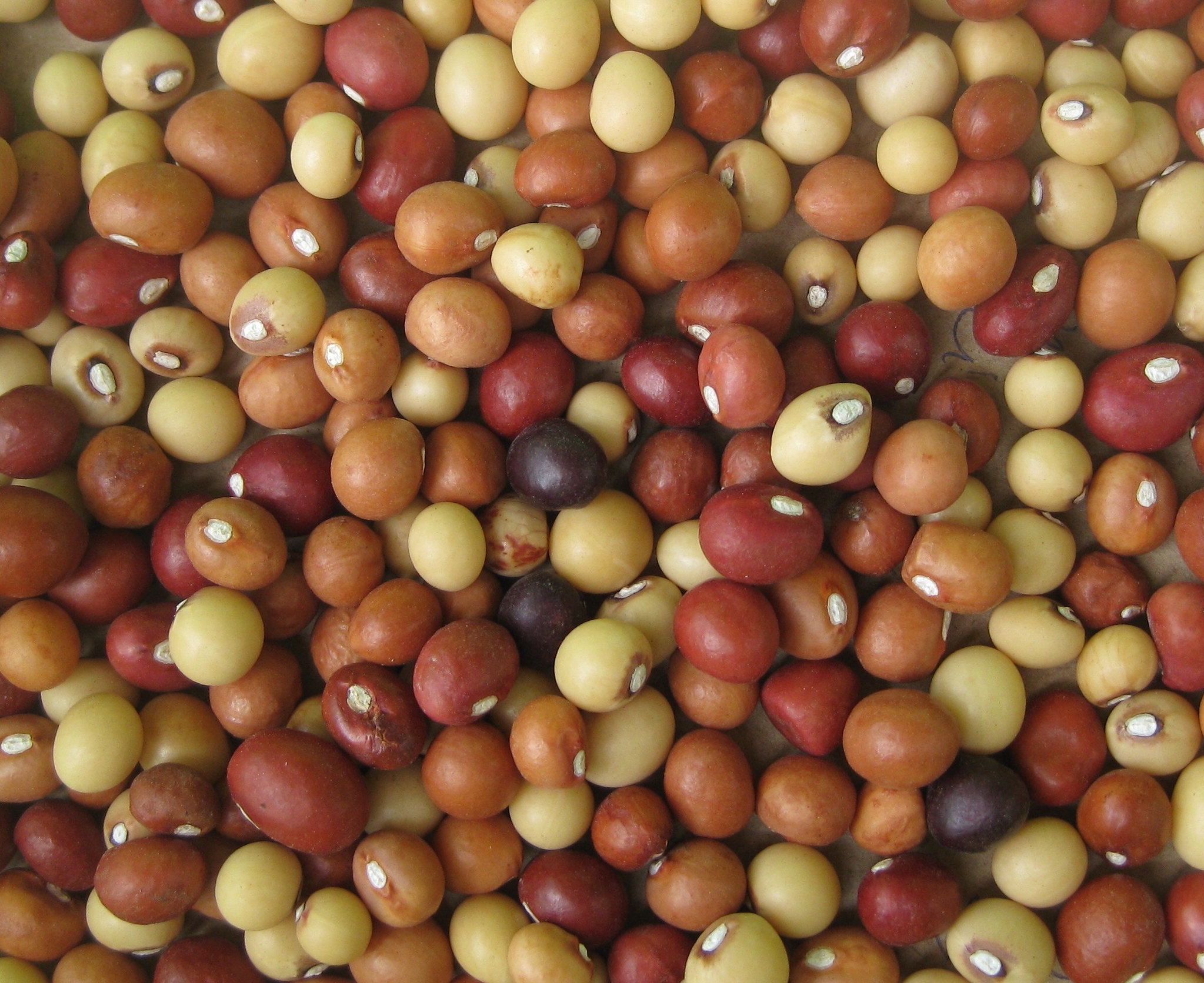
    Banner image: Of bambara groundnuts. Image courtesy of Ton Rulkens via Flickr (CC BY-SA 2.0)


    Africa farmers native nuts plant predict Scientists southern
    NCIJ NETWNCIJ NETWORK
    • Website

    Keep Reading

    As Permitting Bill Debate Approaches, Senators Have Fresh Doubts and an Ultimatum

    If we don’t start counting insect populations, we won’t know what we’re losing (commentary)

    Between revered and hunted: The journey of human-otter coexistence in the Amazon

    In Suriname’s Amazon, the Wayana community struggling to keep gold miners at bay

    Zambia’s edible insect tradition offers a potential boost to food security

    Maine Looks to Its Forests to Reach Climate Goals

    Add A Comment
    Leave A Reply Cancel Reply

    Editors Picks

    OpenAI doubles ChatGPT Pro usage limits after backlash over planned 50% cut

    October 30, 2026

    NIH–NASA QuSAFE Challenge – NASA

    October 29, 2026

    Ceredigion heart attack patient had 140-mile round hospital trip

    October 29, 2026

    To help farmers in Southern Africa, scientists predict when to plant native nuts

    October 29, 2026
    Latest Posts

    I finally found a magnetic phone grip I never want to remove

    August 16, 2026

    As petrol prices soar, electric bikes gain ground in Nigeria | News

    August 16, 2026

    Solana Research Institute’s $18B Crash Claim Faces a Data Gap

    August 16, 2026

    Subscribe to News

    Get the latest sports news from NewsSite about world, sports and politics.

    NCIJ Network is an independent digital news platform delivering trusted investigative journalism, European and global news, in-depth analysis, and fact-based reporting with accuracy, transparency, and integrity.

    Facebook X (Twitter) Instagram Pinterest YouTube

    OpenAI doubles ChatGPT Pro usage limits after backlash over planned 50% cut

    October 30, 2026

    NIH–NASA QuSAFE Challenge – NASA

    October 29, 2026

    Ceredigion heart attack patient had 140-mile round hospital trip

    October 29, 2026

    Subscribe to Updates

    Get the latest creative news from FooBar about art, design and business.

    Type above and press Enter to search. Press Esc to cancel.