


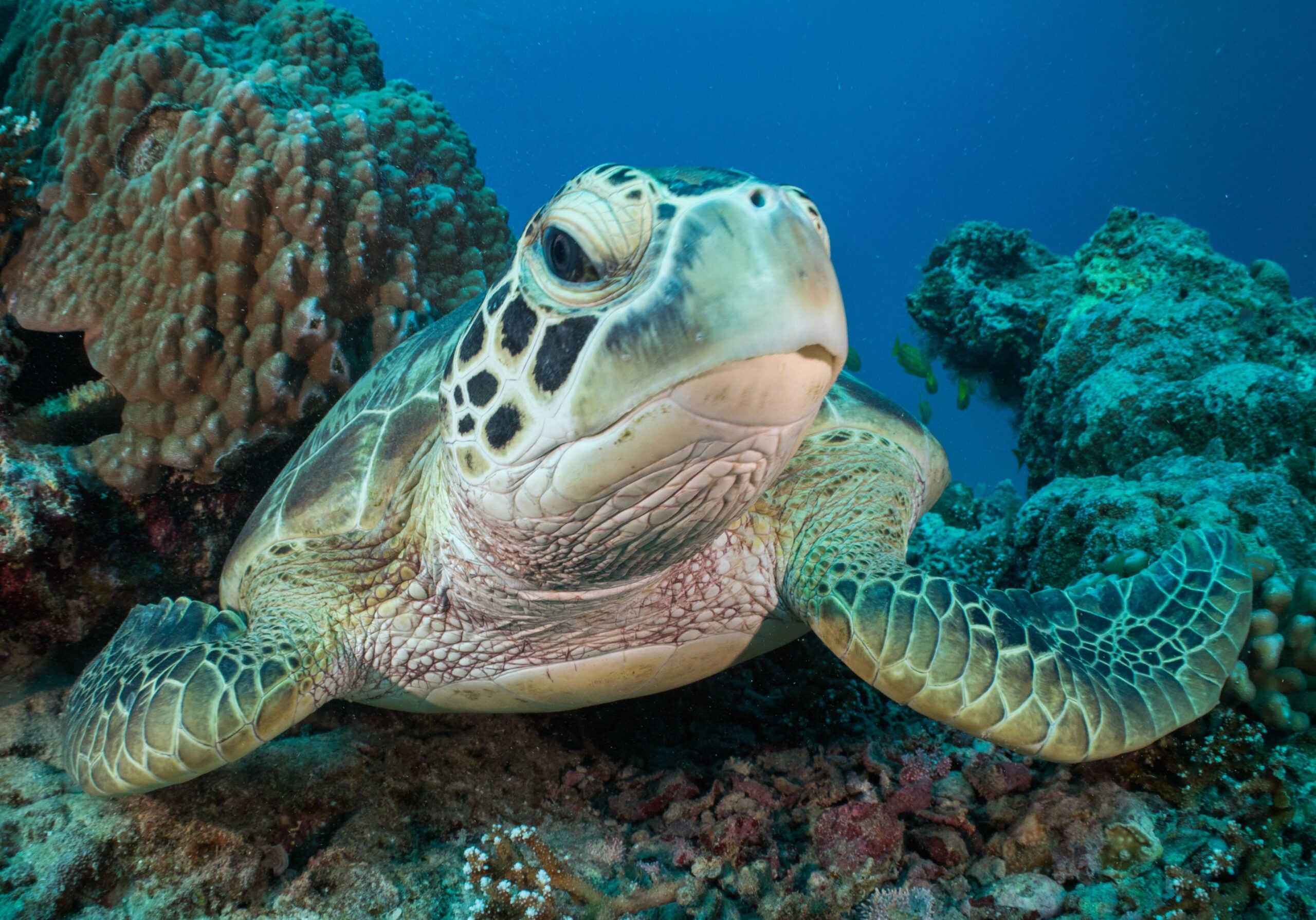
- Joint management of the Great Barrier Reef is changing, with Traditional Owners playing an increasing role in the conservation of one of the seven natural wonders of the world.
- Despite climate change continuing to threaten the health of the Reef, the World Heritage Committee has again decided not to put the Great Barrier Reef on its “in danger” list, and has cited increased levels of Traditional Owner management in its decision.
- Traditional use and management agreements currently cover 43% of the Great Barrier Reef’s coastline and the government has announced new funding and measures to further include Indigenous management.
- There are still gaps in the full inclusion of Indigenous communities in the stewardship of their traditional waters, say Indigenous governance organizations, though strides are being made.
PERTH, Australia — “There’s this beautiful underwater garden out there,” says Mercy Singleton, referring to the vast network of colorful corals that make up the Great Barrier Reef off eastern Australia’s Queensland coast. “We’d like to see it safe and recovering.”
Singleton is Yirrganydji and director of Research and Engagement Services at Dawul Wuru Aboriginal Corporation. Her people are one of 18 Traditional Owner groups helping steward the Great Barrier Reef, for them their Sea Country — with Traditional Use of Marine Resources Agreements (TUMRAs) in hand. These community-based plans for joint management of the Reef are part of a suite of conservation efforts at the iconic World Heritage Site that include Traditional Owners in management.
While there are still gaps in the full inclusion of Indigenous communities in the stewardship of their traditional waters, big strides are being made, say Indigenous governance organizations and scientists. A recent decision by the World Heritage Committee has taken notice.
“The last 30 years have seen massive changes in how the Great Barrier Reef is managed, particularly for Traditional Owners,” says Allan Dale, professor of tropical regional development at James Cook University.
“There’s been this great increase in the governing capability and the ability of those Traditional Owner groups to achieve their aspirations,” he tells Mongabay. “There’s been a real huge growth in the sort of capability of land and sea reservations and there’s an increasing number of rangers and leaders and planners and workers in that space.”
Recent funding expanded to support over 200 Indigenous rangers and partnerships with Traditional Owner groups along the coast, from field activities and water-quality monitoring, have risen in the last few years.
In late July 2026, the World Heritage Committee again decided not to add the Great Barrier Reef to its “in danger” list. Yet, while the committee’s previous decision in 2021 made no mention of Traditional Owners, now the committee is encouraging the Australian and Queensland Government to “support the Traditional Owner Taskforce”, a 2024 initiative led by Traditional Owners to assert their right to manage and have authority over Sea Country, and to “lead the delivery of the Reef 2050 Traditional Owner Implementation Plan”, a guide to build on past Indigenous-led work to make tangible, positive changes to the Reef.
Noting the continued threats of coral bleaching, poor water quality, invasive species and climate change on the reef, the committee commended Australia on two items: increased efforts toward sustainable fishing and Traditional Owner management.
This wasn’t always the case.
TUMRAs cover 43% of the coastline
Phil Rist is a Nywaigi elder from the Ingham region in Far North Queensland and was a founder of the Girringun Aboriginal Corporation. Girringun held the very first TUMRA in 2005.
“We’ve come a hell of a long way,” Rist says. “We couldn’t have gotten this far without the support of the Great Barrier Reef Marine Park Authority and other agencies. For the government agencies to be comfortable in taking their fingers off the control button and sharing power is a huge thing in itself.”

The authority doesn’t have the best track record in terms of deep and serious engagement with Traditional Owners, so they had to be pushed quite heavily by mobs, professor Dale says. This push led to the creation of Traditional Use Marine Resources Agreements, or TUMRAs.
“There was a lot of work involved in getting the TUMRA in the first place,” says Lyndal Singleton, the Yirrganydji TUMRA holder and a director at Dawul Wuru. “We were just a newly established organization who had to prove to government that we were in a position to manage something like this.”
TUMRAs began in 2005 as a way of helping Indigenous peoples manage traditional fishing practices, but have grown in the last two decades to support 10 agreements across 18 Traditional Owner groups. They have provided a foundation to inspire and build capacity for Aboriginal people and joint stewardship initiatives, with 43% of the coastline of the Great Barrier Reef Marine Park now co-managed by Traditional Owners and the Reef Authority, according to the authority.
For the Girringun and Yirrganydji, the main focus of their TUMRAs is dugong (Dugong dugon) and sea turtle conservation. “The decline of dugong and turtles in our Sea Country is not through the fault of ours,” Rist tells Mongabay. “It’s issues like poor water quality and mining, and all this sort of stuff … that is significantly contributing to the demise … of some of our most culturally iconic species.
“The only thing we can control in this place is our outtake of turtle and dugong. We can’t control mining. We can’t control those other cumulative impacts, but we can control ourselves.”
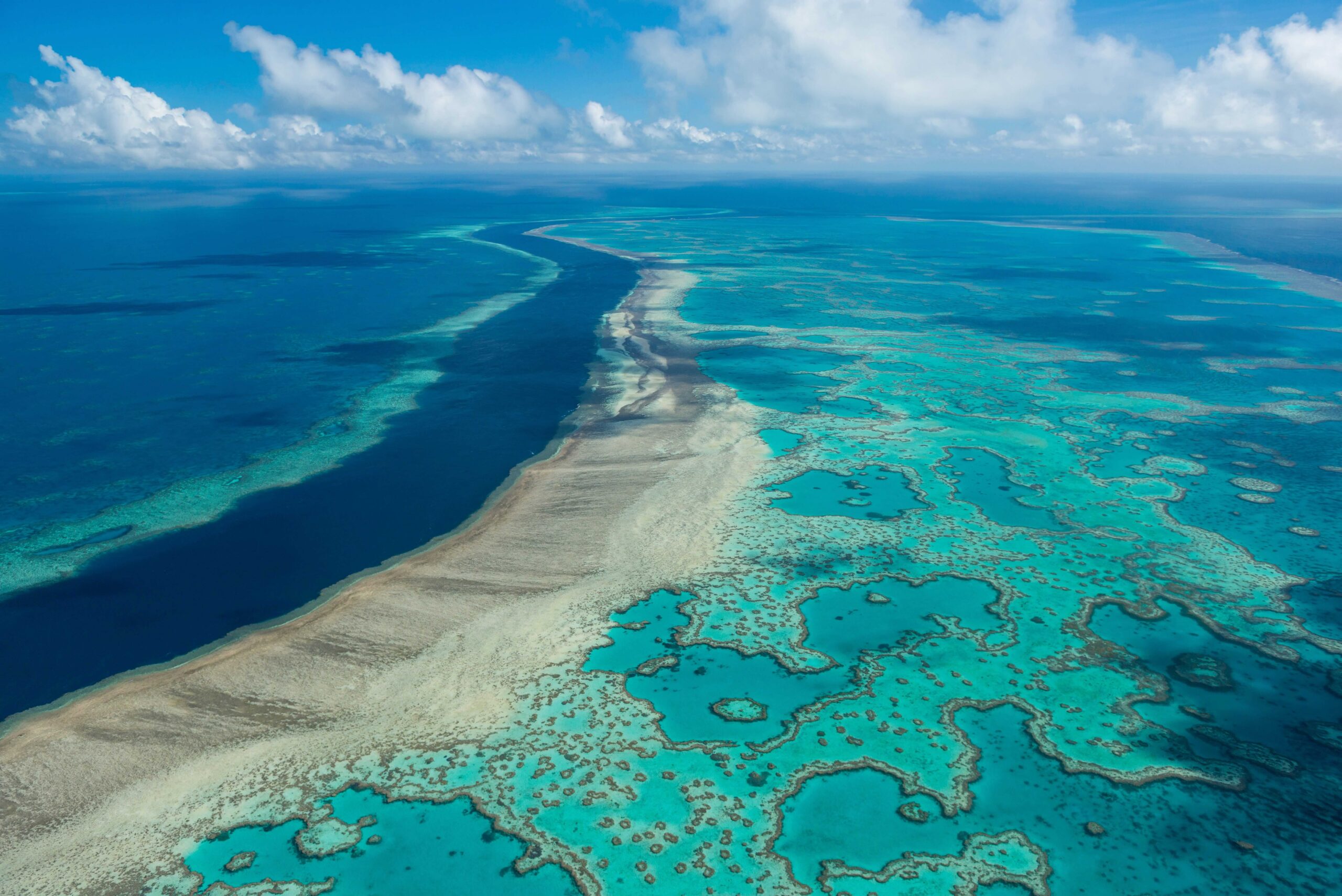
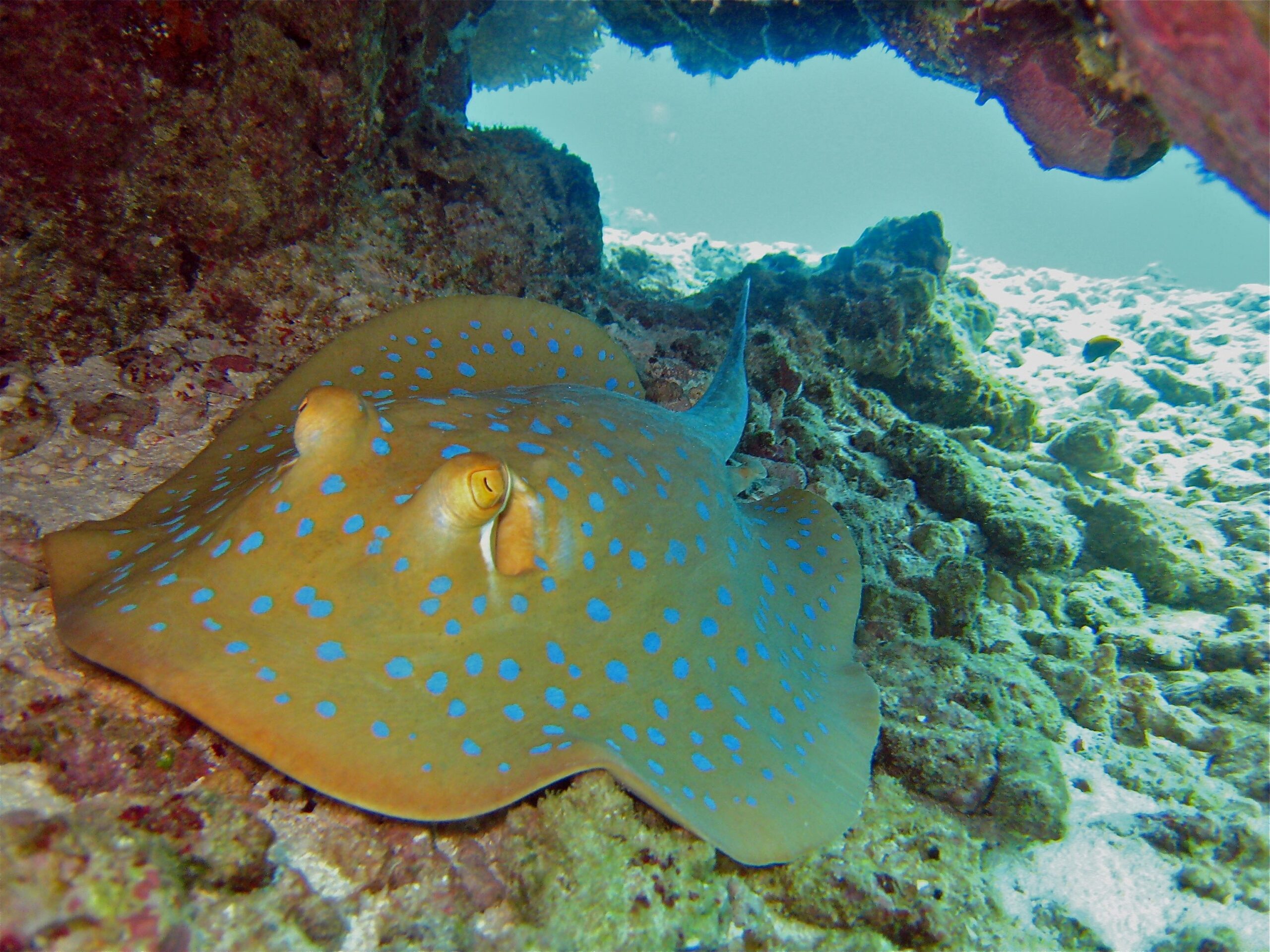
TUMRAs are a way for Traditional Owners to have “some control over their Sea Country” so they can curb illegal hunting on the Reef, Lyndal says. Yirrganydji rangers patrol the coastline to ensure Reef users comply with fishing laws.
In the Girringun TUMRA, Traditional Owners can issue an authority for a hunt, but there’s a governance system in place led by culturally strong decision-making. “It’s always based on — and this might surprise people, it’s not based on culture as a first principle — it’s based on sustainability,” Rist says. “You can’t have a culture if you haven’t got those animals in the water anymore. So above all, it’s about sustainable take of turtle and dugong in our Sea Country.”
For Niboddhri Ward, director of TUMRA at the Great Barrier Reef Marine Park Authority, it’s a “dream come true job” to help Traditional Owners connect to and manage Sea Country.
“At its heart, the TUMRA program is about empowering Traditional Owners to lead the management of their Sea Country,” Ward tells Mongabay. “The Reef Authority provides the framework, support and partnership, but it’s Traditional Owners who bring thousands of years of knowledge, cultural authority and stewardship to protecting one of the world’s most iconic marine environments.”
Culture and conservation working together
For tens of thousands of years, Traditional Owners have been interconnected with the Great Barrier Reef and surrounding Sea Country. They balance the needs of the people with the needs of the reef, using it for hunting and fishing, and practicing culture and knowledge-sharing. These connections were disrupted during colonization, locking out Traditional Owners from caring for their Country.
In 1975, the Great Barrier Reef was declared a marine park to protect it from oil and gas extraction and came under the care of the Great Barrier Reef Marine Park Authority. Although it is a Marine Protected Area, inscribed on the World Heritage list and one of the seven natural wonders of the world, the reef remains under threat from climate change, coral bleaching and invasive species.
“We understand climate change will always be there but we also need to understand the human activities that impact it as well,” Mercy Singleton says. These human activities include agricultural impacts, urbanization and recreational use.
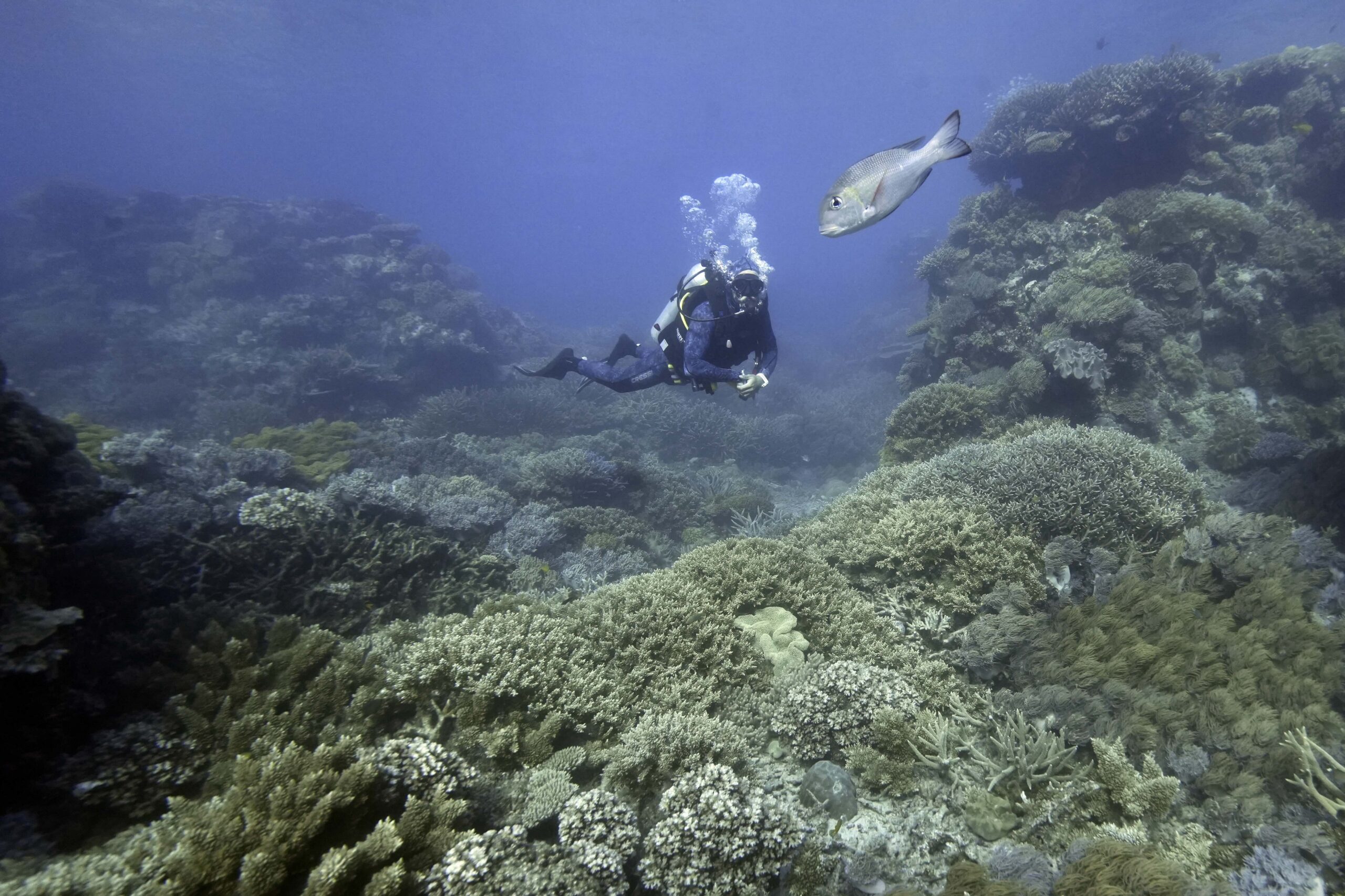
Joint management and partnerships exist across the Reef in many capacities. The Reef 2050 Plan is the overarching strategy set by the Australian and Queensland governments to “improve the Reef’s health and resilience.” There’s also a taskforce seeking to create a Sea Country Alliance and many different research projects trying to improve joint management and outcomes on the Reef.
One such research project is SEABORNE, with environmental economist Diane Jarvis and conservation researcher Tori Graham leading the First Nations component of the project with TUMRA groups.
“A focus of SEABORNE was to understand what data is currently available — around uses and users of the Reef and stewardship and monitoring of the Reef — to help better decisions to be made for the Reef,” Jarvis tells Mongabay.
The data collected through this project and others about traditional uses of Sea Country can be used by the authority to create fairer joint management across the Reef, including the use of TUMRAs.
“We wanted to portray the full diversity of those different management needs based on who’s wanting to use the Reef,” Graham says. “It was trying to work towards more inclusive management for everyone, and with the data and the [data] gaps that we collected to provide evidence back to the Reef Authority around what’s important to focus on.”
Each Traditional Owner group has a different focus for how they use and manage the Reef. This is one of the benefits of a TUMRA, say sources: The uniqueness of each agreement rather than a one-size-fits-all approach allows different mobs to carry out their traditional management in a culturally safe way.
“One of the greatest strengths of the program is that conservation outcomes and cultural outcomes are achieved together, they’re not separate objectives,” says TUMRA director Ward. TUMRAs help groups strengthen their cultural responsibilities by creating employment opportunities for coordinators and rangers, protecting cultural and heritage sites and promoting the conservation of ecological values.
Dawul Wuru’s Lyndal Singleton says since the beginning of the Yirrganydji TUMRA, there have been fewer reports of illegal hunting, ensuring the protection of dugong and turtle populations which are of immense cultural significance.
“It’s empowering, and it’s keeping knowledge strong, keeping the stories and the songlines strong to Sea Country,” says Dawul Wuru’s Mercy Singleton. Songlines are ancient walking paths that link important cultural sites on which people would sing and memorize the directions of the route.
‘The future is collaboration’
Whilst there is opportunity for joint management, Indigenous project leaders say there isn’t always the chance to lead projects or management across the Reef, including within TUMRAs.
“The TUMRA concept comes from very much Traditional Owners pushing for those agendas,” professor Dale says. “There’s a lot more to be done to make what you might sort of say ‘equal power relationships’ between Traditional Owners and the Authority.”
A 2025 study coauthored by Dale found one of the main weaknesses of the Reef 2050 Plan is an increased need for genuine power sharing and partnerships with Traditional Owners.
“There is a very strong relationship between saltwater mob and our Sea Country,” Rist says. “We need to ensure our presence is there first and foremost and lead a lot of the stuff.”
The SEABORNE project has reported similar aspirations: Groups want a leading role in future activities and decision-making for their Country.
“There’s a lot of research happening out there on the Reef and very rarely it comes back to local people,” Mercy says. “That information is taken by universities and research groups and it benefits them. But we want to see how does it benefit local people and how that can impact and inform our future developments to keep the reef safe and strong and healthy.”
Jarvis and Graham’s research also suggests providing more opportunities to lead management on the Reef and having more autonomy over management.
“Whilst the groups play an important role in monitoring compliance across the Reef they have no enforcement powers,” Jarvis says. “For example, if they observe fishing taking place in a no-fish zone on the Reef all they can do is report what they have seen — they have no powers to prevent the fishers continuing to fish in the wrong place or wrong way.”
At the moment, the World Heritage Committee says the future outlook of the Great Barrier Reef is “very poor”, noting mass bleaching events that occurred in 2023-2024, the impacts of climate change and a failure to meet water-quality targets for pollutants that enter the reef through river basins.
Mercy says the future of the reef relies on collaboration, “Keeping the Reef strong and healthy is a very big dream, but we can make dreams happen if we work together.”
Banner image: Green sea turtle swimming in the waters of the Great Barrier Reef. Image by ©Commonwealth of Australia (Reef Authority), photographer J. Sumerling. CC BY 4.0.
Citations:
Rowland, M. J., Lambrides, A. B. J., McNiven, I. J., & Ulm, S. (2024). Great Barrier Reef Indigenous archaeology and occupation of associated reef and continental islands. Australasian Journal of Environmental Management, 32(1), 22–45. doi:10.1080/14486563.2024.2336969
Vella, K., Dale, A. P., Calibeo, D., Limb, M., Gooch, M., Eberhard, R., … Baresi, U. (2025). The Health of the Governance System for Australia’s Great Barrier Reef 2050 Plan: A First Benchmark. Sustainability, 17(18), 8131. doi:10.3390/su17188131
FEEDBACK: Use this form to send a message to the author of this post. If you want to post a public comment, you can do that at the bottom of the page.

