


- In the Colombian department of La Guajira, at South America’s northernmost tip, Indigenous Wayuu fishers from the community of Punta Gallinas are working with marine biologists to conserve and document shark populations.
- Despite a 2021 law banning targeted shark and ray fishing in Colombia, the meat remains a vital protein source in one of the country’s most remote and food-insecure regions.
- Colombian shark conservation initiative Proyecto Puyuii is working with Wayuu fishers to record shark species in the understudied waters of La Guajira, implementing sustainability measures such as larger-mesh nets, safe release techniques and avoiding longlines.
- With sustainable tourism touted as a potential economic alternative to shark fishing, some fishers argue that compensation will need to be offered before they can afford to stop.
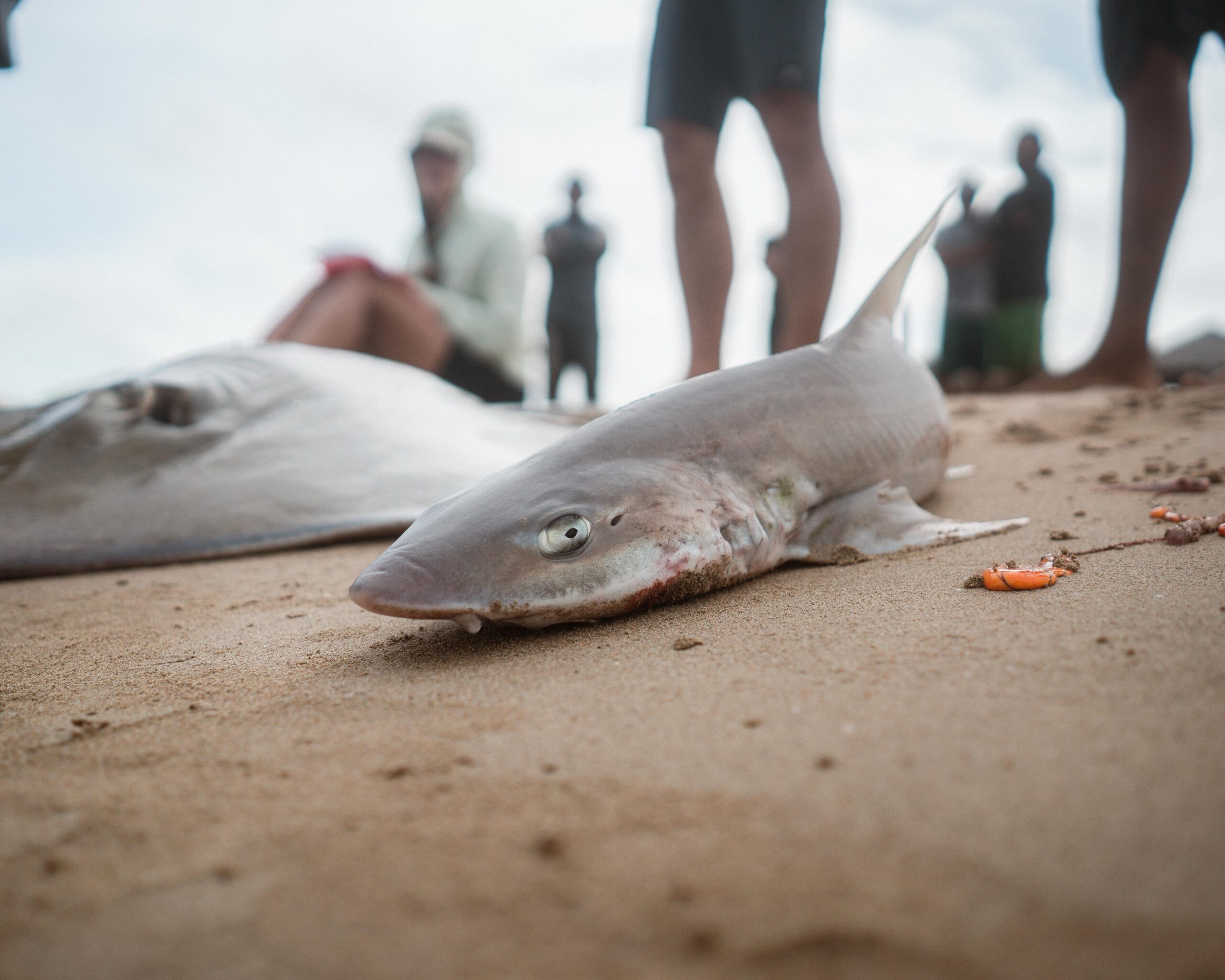
LA GUAJIRA, Colombia — Feet from the ocean, four sharks and a ray lie dead on the wind-battered sand. Above them stands Wilfrido Arends, 46. The blade of a short knife glints in his hand.
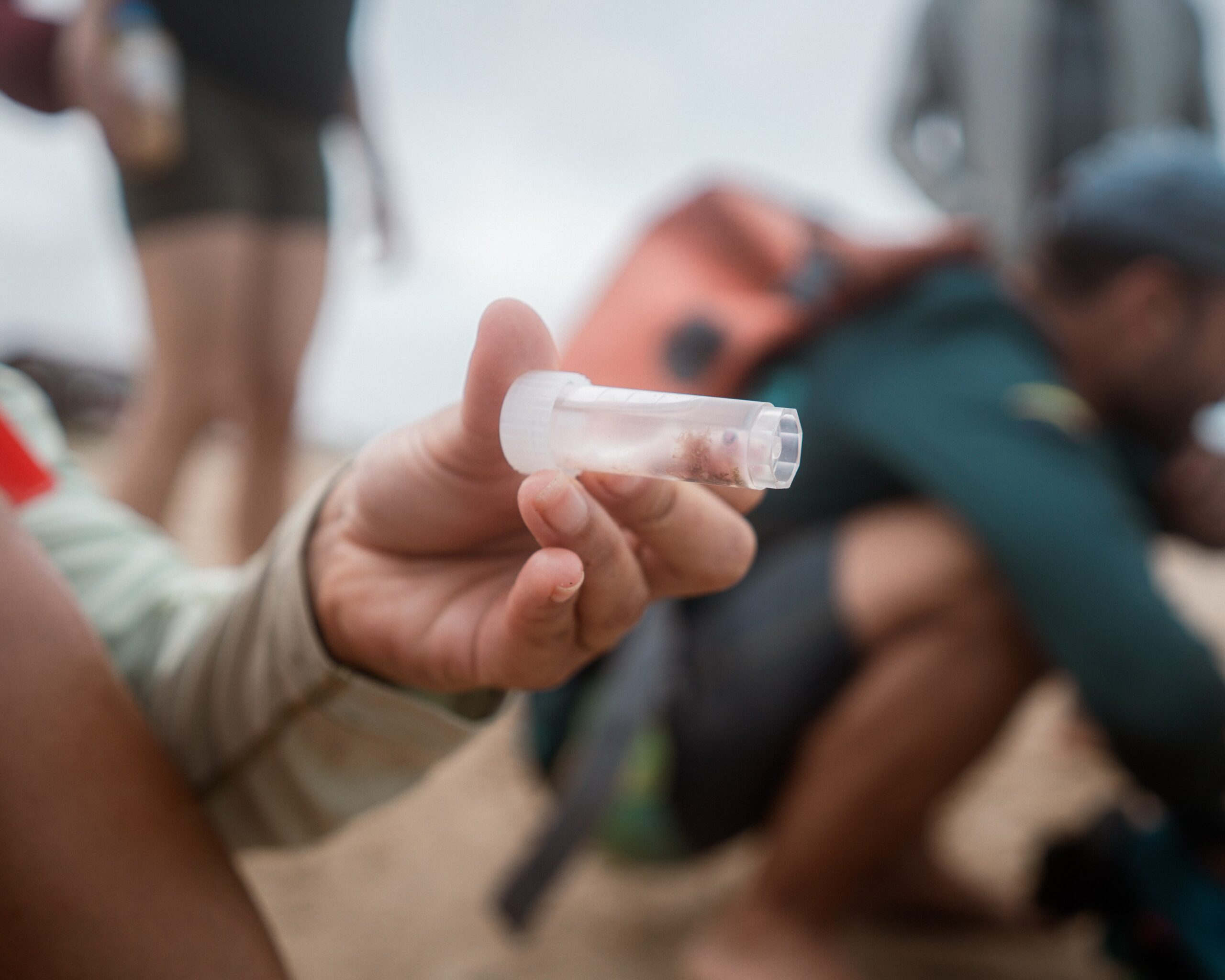
Carefully, he bends down to cut a small fin from the underside of one shark — an endangered species known as a blacknose (Carcharhinus acronotus). He hands the sample to a woman next to him, who places it delicately in a vial.
A tape measure is passed over the still glistening back of the dead shark. Each measurement is read out and noted down.
Arends, a fisher from Colombia’s Wayuu Indigenous community, is spearheading shark research and conservation in Punta Gallinas, a Wayuu community where shark meat is part of the traditional diet. Home to around 50 families, the community sits at the northernmost tip of South America.
“If we wipe out our sharks, I think that further down the line we will miss them,” says Arends, who is known locally as “Caracas.”
Together with researchers from Colombian shark conservation initiative Proyecto Puyuii, Arends and other Wayuu fishers are documenting shark diversity in the largely unstudied waters of La Guajira.
“There’s almost no data on anything,” says Diego Cardeñosa, a marine biologist at Florida International University in the U.S. A member of Proyecto Puyuii, he has been training Wayuu fishers to record the shark species they catch.
A 2021 law banned shark and ray fishing in Colombia, with a 2024 revision subsequently allowing the incidental bycatch of 15 species. Despite the ban, the meat remains an important source of protein for Wayuu communities across this stretch of arid desert coast — one of the most food-insecure regions in the country.
While commercial poaching is the leading threat to shark populations in Colombia, biologists say that without additional research even traditional subsistence hunting can increase pressure on sharks, possibly affecting their numbers or threatening endangered species — as happened with overconsumption of turtles.
Proyecto Puyuii aims to promote economic alternatives for fishers, minimize pressure on the local shark population with scientific research and implement sustainable fishing practices.
The consumption of sharks is accepted by the project, as it is a traditional practice and form of subsistence. But directed shark fishing (generally practiced with longlines in the deeper ocean) is not encouraged. A more sustainable model would limit consumption to incidental bycatch, which depending on the species is not illegal, and include safe release techniques of juveniles.
“If the fisher earns more showing it than killing it, there’s the solution,” says Felipe González, who co-founded the project with Arends over a decade ago. “How do we make these sharks worth more alive than dead?”
‘I gave up shark-directed fishing many years ago’
Like many Wayuu boys in the region, Arends began fishing at the age of 9. As a child, he watched his grandparents hunt shark species ranging from hammerheads to tiger sharks (Galeocerdo cuvier).
“As I got older I took to fishing them too, because it was a custom of the Wayuu,” says Arends, who recalls participating in a once booming trade that saw shark meat and fins exchanged for money, fuel or resources with buyers in neighboring Venezuela.
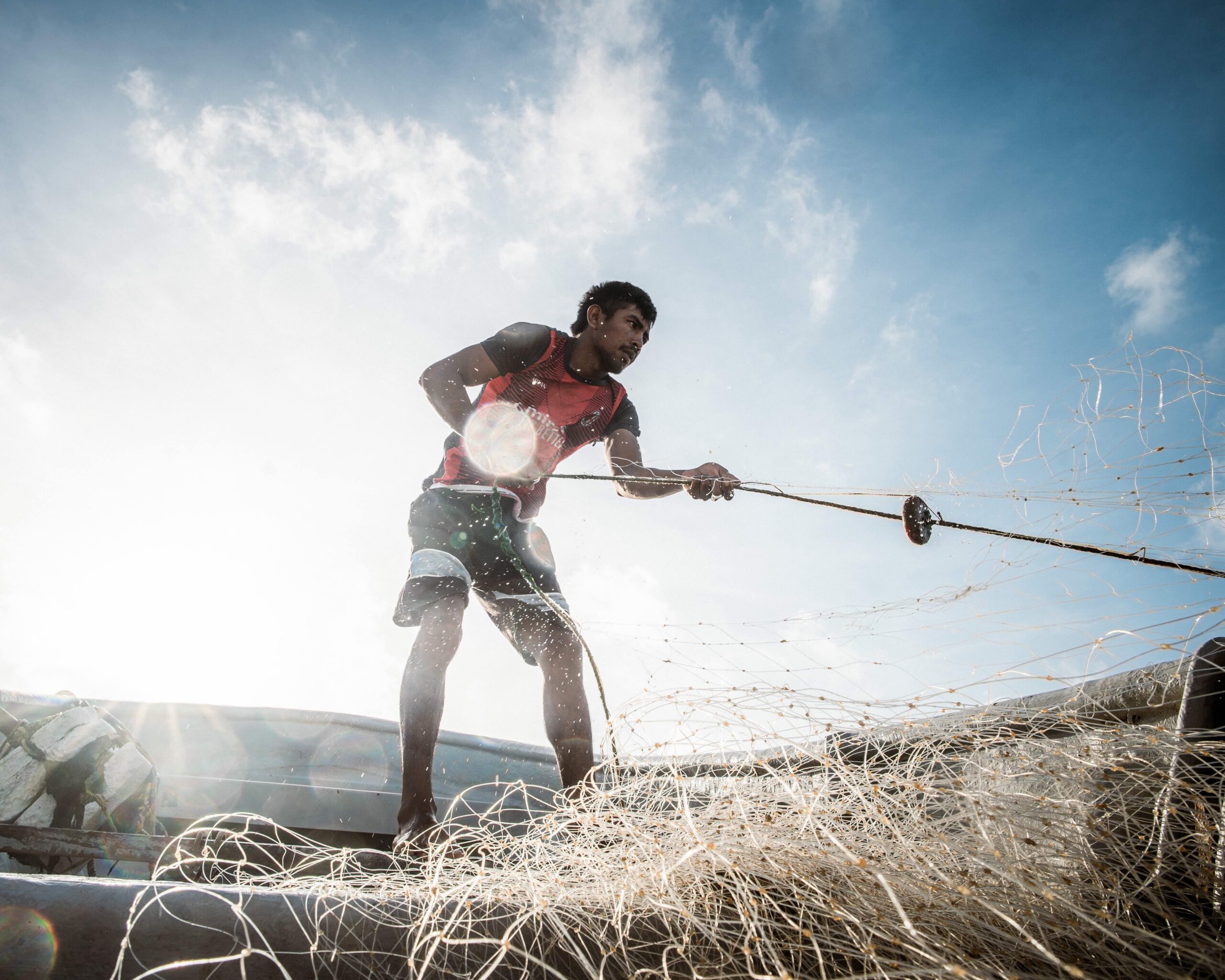
“You’d sell it and buy fuel to keep fishing,” he remembers. “We’d buy nets and hooks. That’s how we kept ourselves going.” At this time, fishers in Punta Gallinas would use artisanal longlines specialized for shark fishing, as well as finer-mesh gillnets that result in higher levels of shark bycatch. According to Arends, the trade began to disappear from Punta Gallinas over a decade ago, before vanishing from the community with the 2021 prohibition.
Local fishers told Mongabay that other Wayuu communities do still participate in a market, with buyers from the towns of Riohacha and Uribia paying around 50,000 Colombian pesos (about $15) per kilo for shark fins.
Though the fin trade is absent in Punta Gallinas, shark meat is still commonly consumed in the community, forming the key ingredient in a traditional dish known as salpicón. Oil is also extracted from the carcasses and used for cooking, while the liver is used in the production of a traditional cough medicine.
Whatever meat is not consumed by the fisher’s own family is typically sold to locally owned hotels and restaurants. Biologists have not assessed the mercury levels (which could be harmful at high concentrations) of shark meat in Punta Gallinas. González says it may be low and is currently not a concern of the project.
“It’s an important protein source,” Arends says, “the first source we have here to feed ourselves and our children is shark.”
Despite the ongoing subsistence use in his community, Arends is determined to promote shark conservation.
“Now I fish mostly with nets — I’ve stopped using what we call the longline, because that fishing is more directed at sharks,” he says. “I gave up shark-directed fishing many years ago.”
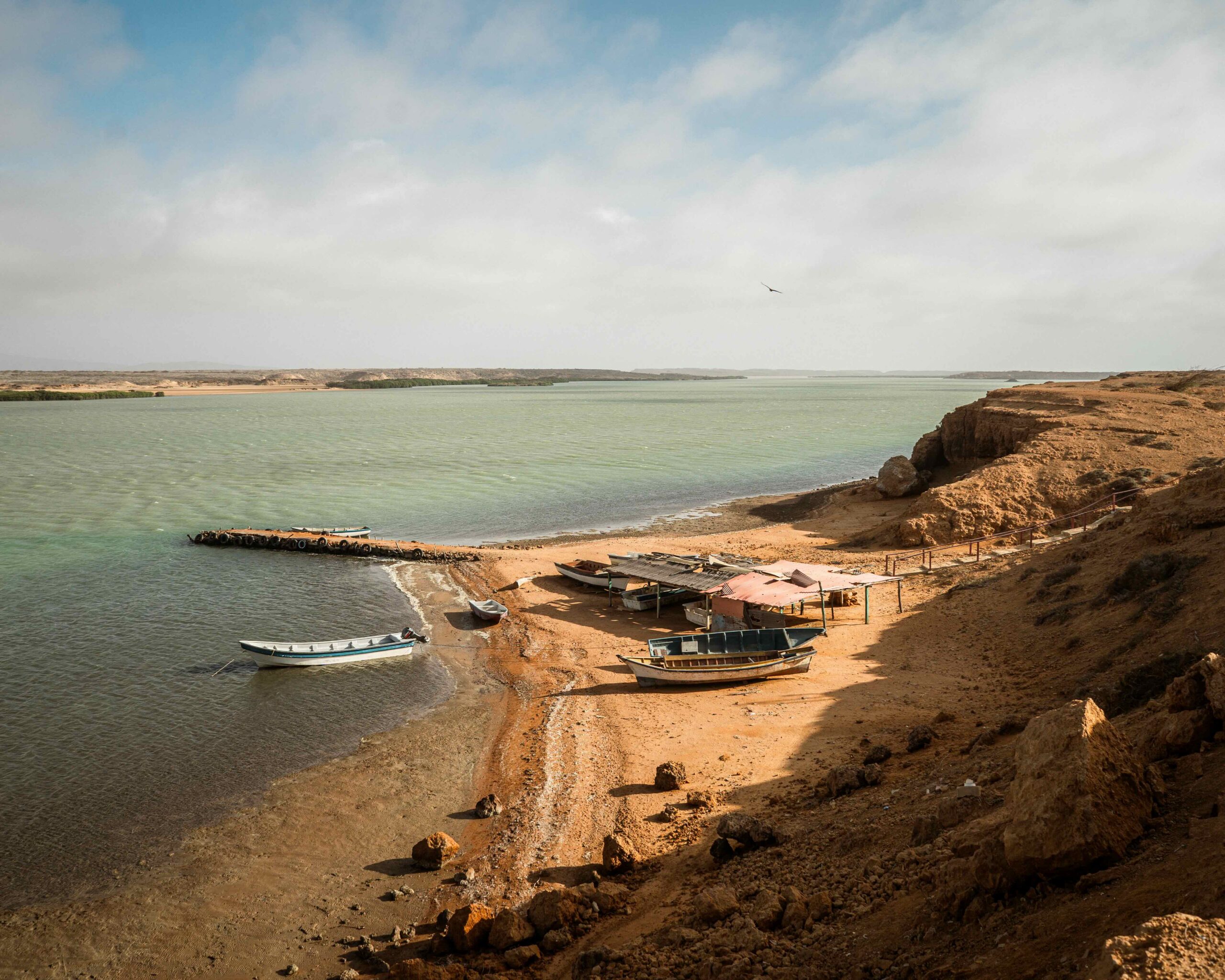
Since the early 2000s, Arends has worked on community-based mangrove and sea turtle conservation. Locals report that sea turtles, once a common sight, have disappeared from the area due to overconsumption in local Wayuu communities.
“What happened with the turtles — we don’t want the same thing to happen with the sharks,” he says.
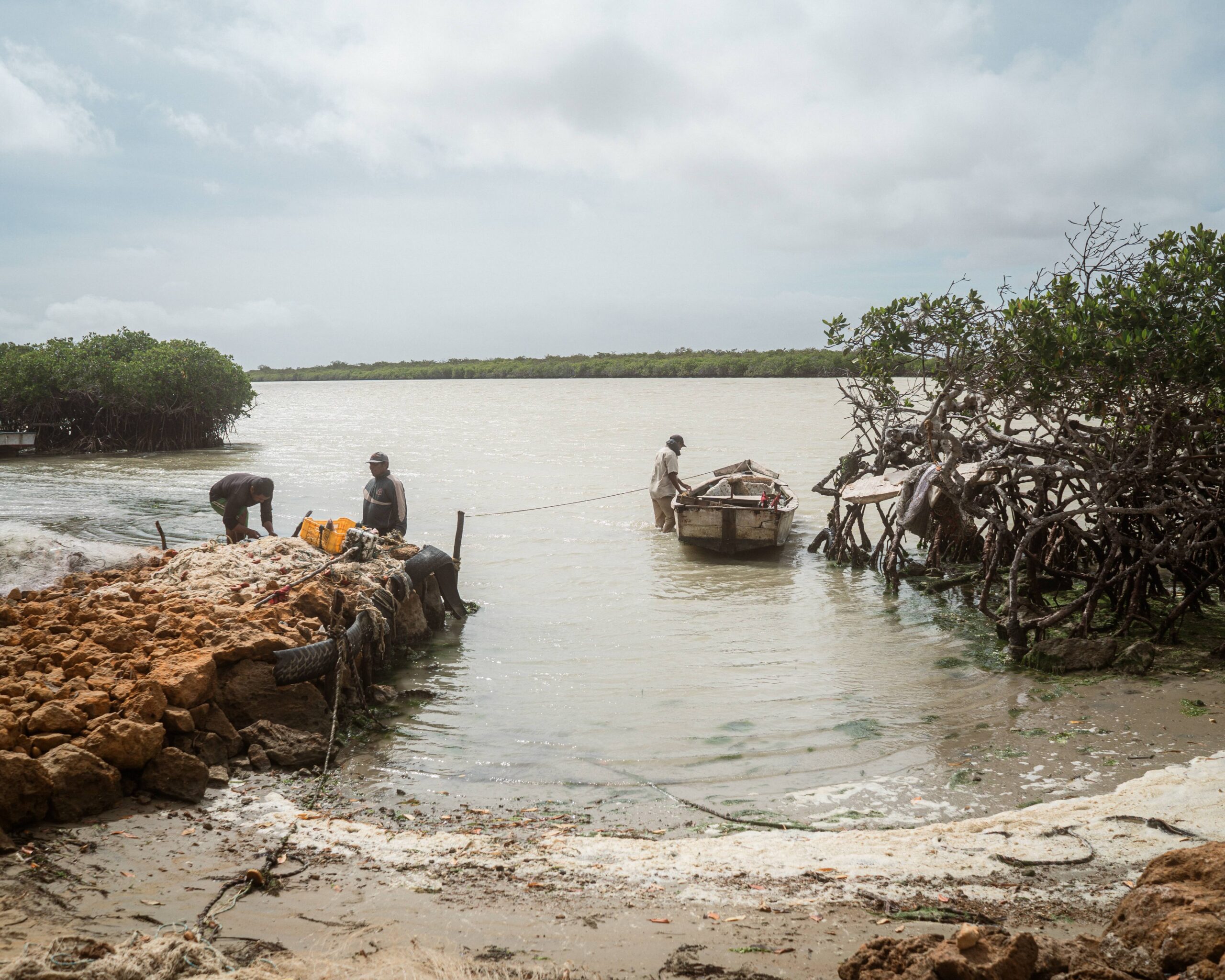
He and other Punta Gallinas fishers began to use large-mesh nets to avoid catching juvenile sharks, focusing instead on other fish species by placing nets away from the open sea, where sharks are commonly found.
If he catches a shark incidentally, it will be released if found alive.
Locals report that these measures have been widely adopted in Punta Gallinas. And, according to Arends, around 17 boats out of an estimated 20 in the community no longer practice shark-directed fishing. Numbers aren’t available on how many have also changed to larger-mesh nets.
“You feel like your programming has been changed — from hunter to protector,” he says. “You feel almost the same as what the animals feel.”
‘A high concentration of shark species’
Though still largely understudied, biologists believe that the waters around Punta Gallinas are likely to contain a wealth of shark diversity.
“In La Guajira and other parts of the Colombian Caribbean, there appears to be a high concentration of ray and shark species,” says Camilo Garcia, professor of marine biology at the National University of Colombia, who mapped the distribution of sharks and rays across the Colombian Caribbean using research data from as far back as the 1960s.
Though his work identified a total of 90 species, he describes the inventory as “incomplete” and believes that further research is needed to establish sustainable catch levels and ensure the sustainability of current and future fishing practices.
In Punta Gallinas, Wayuu fishers have reported the presence of species ranging from tiger and silky sharks to endangered blacknose and the critically endangered smalleye hammerhead (Sphyrna tudes).
Cardeñosa believes that Proyecto Puyuii’s drive to document shark species is a crucial step toward facilitating more informed conservation measures in the future, such as fishing quotas and conservation areas.
As part of the project, Wayuu fishers measure every shark they catch, with dated fin samples passed to Arends for storage.
“This is going to give us a bigger picture of the species composition of the fishery, how much they’re catching and whether it can be sustainable,” Cardeñosa says. “Then we can start to formulate more advanced projects.”
‘What are we going to live off?’
Amid mounting food and water insecurity across La Guajira’s desert coast, a potential transition away from shark fishing is a challenging proposition for some communities. The Wayuu fishers Mongabay spoke to generally consider the 2021 law unfair on communities that still subsist on shark.
Locals report that a lack of rain in 2025’s wet season resulted in widespread plant and livestock death. Luzmila Arends, sister of Wilfrido, reports losing around 247 of her 300 goats after the failed rainy season left little vegetation to feed them. Goats are another common source of meat in Wayuu communities.
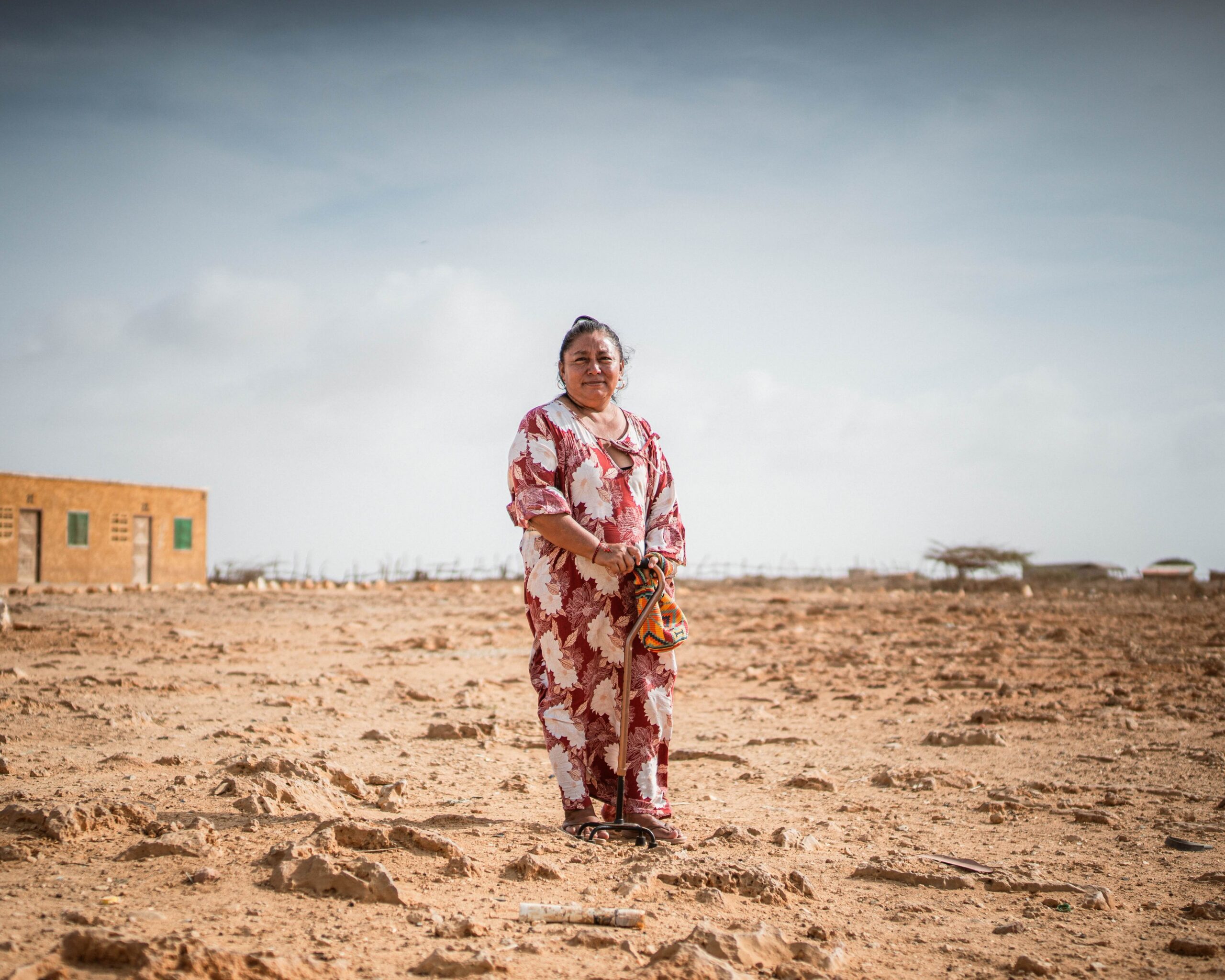
Meanwhile, one in three children in the region suffers from chronic malnutrition.
“Many people live off of shark meat,” says Juan Manuel Uriana, 33, leader of the fishers’ association in Bahía Hondita, a larger Wayuu community around 7 kilometers (about 4 miles) from Punta Gallinas. “Since there’s no other way for people to live, they do it to survive … they know it’s a crime now.”
According to Uriana, many of the 120 fishers in Bahía Hondita use hooks and longlines to catch sharks and rays, a trade they still rely on for survival.
“You have to compensate people. Then they would stop fishing shark,” he says. “What are we going to live off?”
Proyecto Puyuii members hope that sustainable tourism can provide alternative opportunities. The project is currently affiliated with a Wayuu-run hotel and kite surfing school in the area, a short drive from the famous Taroa sand dunes — a renowned beauty spot.
“The idea is that the money stays in the community,” González says, “that the tourist arrives, sleeps in their guesthouse, eats what they prepare, uses their boats and their guides.”
For some in Punta Gallinas, this has already become a reality.
“I’m earning more now,” says Alexi López, 56, uncle of Wilfrido Arends. Once one of Punta Gallinas’ most prolific shark fishers, he now makes most of his living driving cars and boats for tourists. “It’s easier [than fishing] because I go out, am done in two hours and am back home again.”
Luzmila Arends runs a local guesthouse, which offers visitors the chance to accompany fishers on boat outings.
She hopes that economically viable alternatives will help the community to shift away from a historical dependence on shark meat. “It’s all culture,” she says. “It’s not that we talk today and tomorrow it’s done, but that people go forwards with that vision for the future. It won’t happen overnight.”
‘Better we release them’
Even amongst those who live off shark fishing, there is evidence of a growing willingness to protect what remains.
“If this project works out, we can participate in conservation, we can work with this,” Uriana says. “The people are open to it.”
In May 2026, fishers in Bahía Hondita caught a large female tiger shark. On opening the animal, they found that it was pregnant. “One of the boys was going to gather [the pups] to take them away,” Uriana says. “I said: no, why are you going to take them? Better we release them.”
According to marine biologists, the protection of young sharks is of particular importance for a sustainable fishery. “More dangerous is fishing juveniles,” Garcia says. “If you catch them, especially before they’ve reproduced, you’re destroying the population directly.”
Using safe release techniques learned from Proyecto Puyuii, Uriana released 43 living tiger shark pups into the ocean.
He speaks from behind dark glasses and the low brim of a cap. “We started releasing them with the children,” he says.
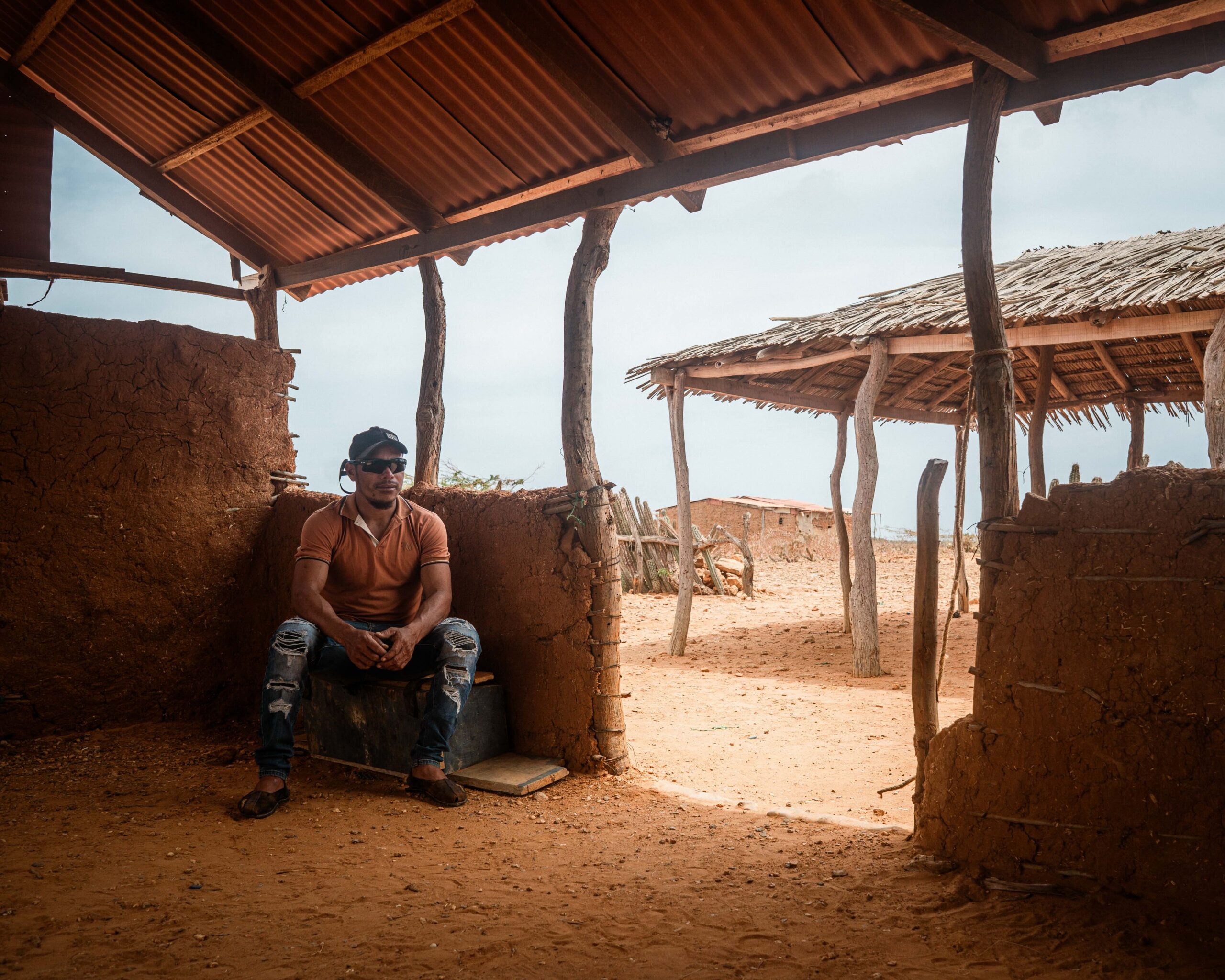
A group of young boys, aged between 8 and 12, watches on as he talks. Uriana gestures to them. “They already know how to fish,” he says.
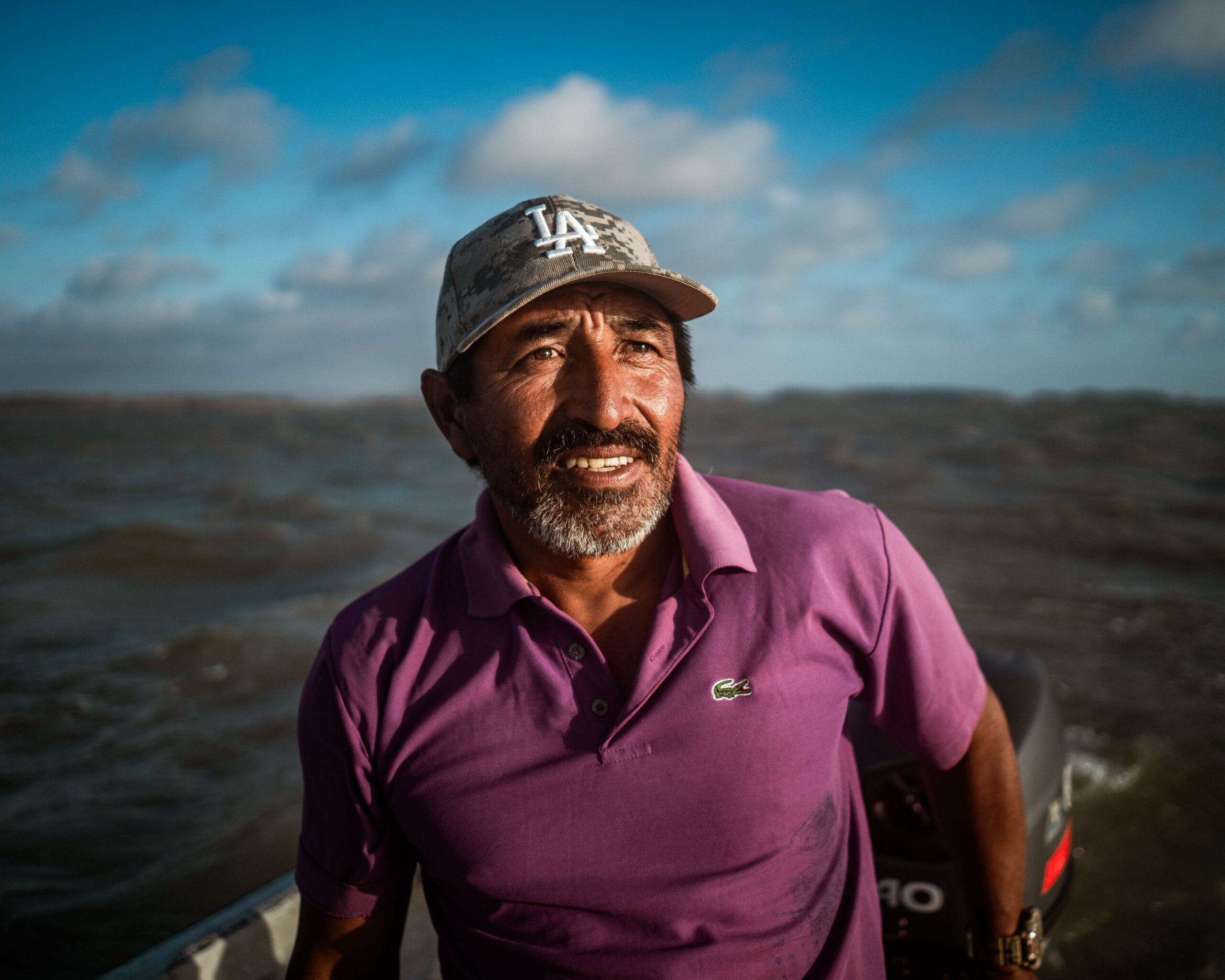
Back on his fishing boat, Wilfrido Arends scans the horizon, one hand guiding the onboard motor at the rear. A ragged black flag, marking the position of his net, appears from behind the crest of a wave.
Without a word, his 22-year-old son moves to haul it into the boat. He is nicknamed “Caraquitas” (“Little Caracas”) after his father.
“Everything we’ve tried to do is to leave something for our children,” says Arends, whose granddaughter and one of his sons want to become marine biologists. Arends, himself, dreams of one day establishing a shark research center in Punta Gallinas.
“Our ancestors have left this to us,” he says. “We want to leave something better for those who come next.”
Banner image: Wilfrido Arends, 46, an Indigenous Wayuu fisher known locally as “Caracas,” scans the horizon as he steers the onboard motor of his small fishing boat. Image by Euan Wallace.
Son of Cali Cartel leader tied to Colombia-Hong Kong shark fin trafficking
Colombia: Scientists explore remote seamounts to protect hammerhead sharks
Citation:
García, C. B. (2017). What do we know about soft-bottom elasmobranch species richness in the Colombian Caribbean and of its spatial distribution?. Regional Studies in Marine Science, 9, 62-68. doi:10.1016/j.rsma.2016.11.006
FEEDBACK: Use this form to send a message to the author of this post. If you want to post a public comment, you can do that at the bottom of the page.
Cite this article
Euan Wallace (2026). Indigenous fishers rethink shark hunting & protect species on Colombia’s coast. Mongabay Conservation news. DOI: https://doi.org/10.66709/news-326694

