


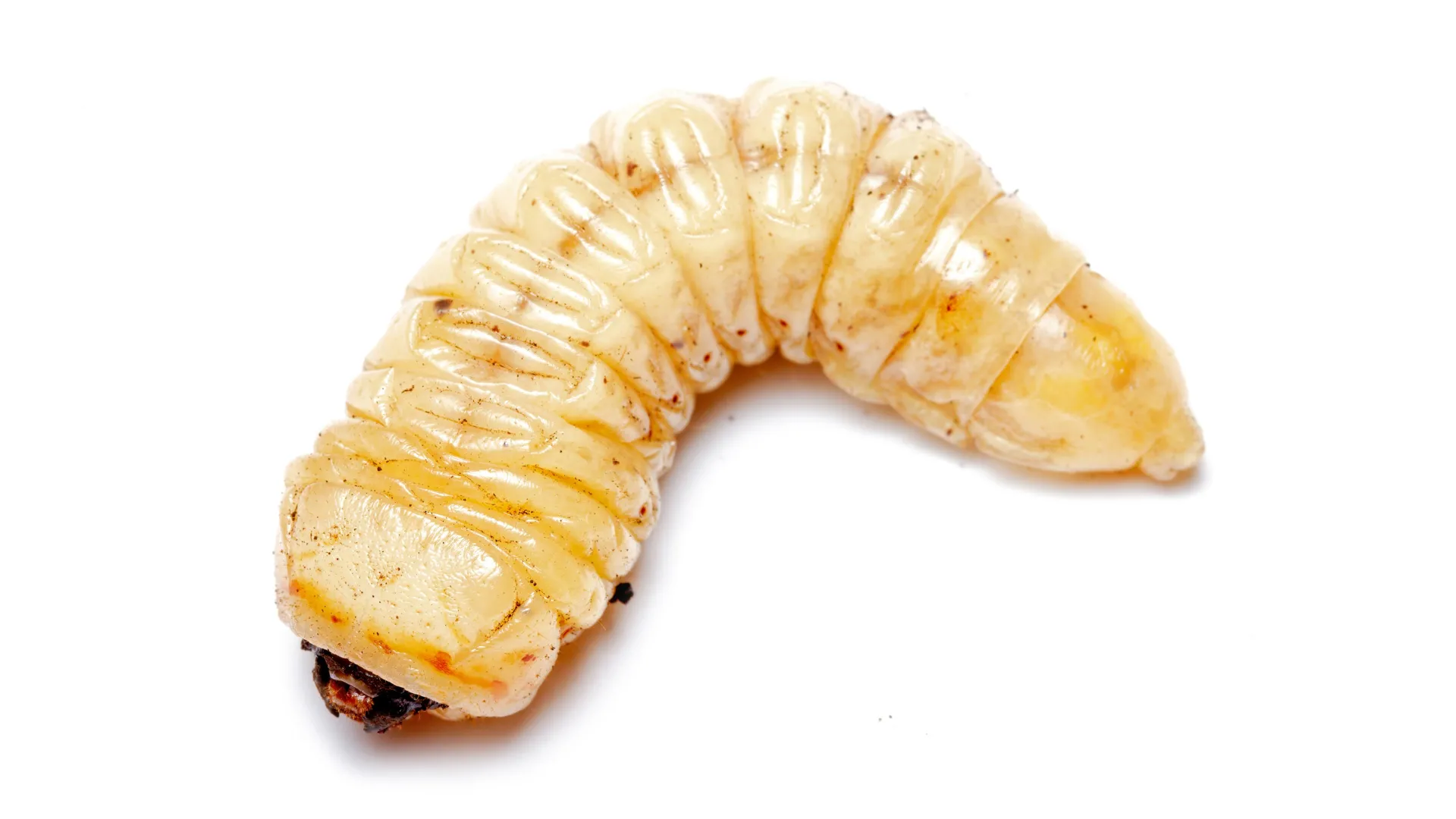
North Carolina’s blueberry growers are facing an emerging threat from a destructive beetle whose larvae feed underground, damaging plant roots and potentially killing blueberry bushes. Scientists have now identified the insect responsible, providing an important first step toward protecting crops from the pest.
A research team at North Carolina State University has confirmed that the culprit is Prionus imbricornus, a species of longhorn beetle distinguished by its long antennae. These wood-boring insects are becoming a growing concern for blueberry producers in the state.
Female beetles generally deposit their eggs in soil near the roots of hardwood trees. After hatching, the larvae feed on the roots, sometimes destroying enough tissue to kill the tree. The larvae can reach an impressive five inches in length, while the adult beetles do not feed.
A Decade-Old Mystery Beneath Blueberry Fields
North Carolina is the first state to document P. imbricornus feeding on blueberry bushes. However, signs of a similar problem have existed for years. Reports of unidentified Prionus larvae damaging blueberry roots date back to 2010, but researchers had struggled to determine which species was responsible.
Part of the challenge was the insects’ underground habitat. Because the larvae remain near plant roots, they are difficult to locate and study. Making matters more complicated, larvae from different longhorn beetle species often look remarkably similar, making visual identification unreliable.
According to Kenneth Geisert, a graduate student in NC State’s College of Agriculture and Life Sciences and lead author of the study, this uncertainty has made it difficult to develop appropriate pest control strategies.
“Before now, researchers often just assumed the species of Prionus on their commodities based on adult identification,” Geisert said. “If that guess was incorrect, it could mean using a treatment strategy that did not line up with the problem and incorrectly associating species and their hosts. For instance, while P. imbricornus attacks roots, another type of longhorn beetle might attack the trunk of a tree, or dead branches. Without knowing which species of beetle you’re dealing with and their ecology, incorrect management can cause adverse effects on non-target insects.”
DNA Analysis Reveals the Mystery Beetle
To identify the insects, the research team conducted fieldwork at six blueberry farms in North Carolina’s Pender, Sampson, Bladen, and New Hanover counties.
The scientists installed black panel traps containing sex pheromones, chemical signals that attract adult beetles. After collecting the insects, they used a DNA identification technique known as genetic barcoding to determine the identity of larvae found in the fields.
This method examines short, standardized sections of DNA and compares them with reference sequences from known species. By matching genetic material from the unidentified larvae with DNA from adult Prionus beetles, the researchers could determine which species was present.
The analysis produced a 98 to 99 percent match with P. imbricornus, confirming the identity of the beetle responsible for the root damage.
A Growing Threat With No Approved Insecticides
Although identifying the pest represents an important breakthrough, it also highlights a serious challenge for blueberry growers.
Lorena Lopez, an assistant extension professor in NC State’s Department of Entomology and Plant Pathology and a co-author of the study, explained that the discovery brings both encouraging and troubling news.
“On one hand, it’s very important that we know which species we’re dealing with,” she said. “On the other, North Carolina was the first state to ever report Prionus infestation in blueberries, and there are no insecticides currently labeled against this pest in blueberries.”
To help address this problem, Lopez has begun testing insecticides to determine which treatments might effectively control the beetles.
A major focus is finding the best time to apply treatments. By coordinating insecticide applications with the beetles’ reproductive cycles, researchers hope to disrupt larval development before the insects can inflict extensive damage on blueberry roots.
If successful, this approach could give farmers a much-needed way to protect their crops against an emerging pest that has remained difficult to identify and manage for more than a decade.
The findings appear in the Journal of Integrated Pest Management in a paper titled “Prionus imbricornis (Coleoptera: Cerambycidae), an emerging pest in North Carolina blueberries.” Gareth Powell, an assistant professor at NC State and director of the NCSU Insect Museum, also contributed to the research.
