

Close Menu
NCIJ Network NCIJ Network
    What's Hot

    Here’s What the AI Apocalypse Could Look Like

    September 18, 2026

    US takes down NightmareStresser DDoS-for-hire platform

    September 18, 2026

    Dan Hillery: Digital Credit Could Rival BTC’s $1.5 Trillion Market Cap

    September 18, 2026
    Facebook X (Twitter) Instagram
    Trending
    • Here’s What the AI Apocalypse Could Look Like
    • US takes down NightmareStresser DDoS-for-hire platform
    • Dan Hillery: Digital Credit Could Rival BTC’s $1.5 Trillion Market Cap
    • A $100 detector can see invisible particles raining down from space
    • Exotic pet trade poses rising zoonotic disease risks in India
    • A crash course in life skills for students | Students
    • Brisbane 2032 Olympics: The Fitzroy River in Queensland, Australia has 500 crocodiles in it – but that’s not the main concern
    • Not just ‘Nice Guy Eddie’: Lib Dems eager for leader to show radical side at party conference
    • About
      • Our Team
      • Editorial Policy
      • Editorial Independence
      • International Support
    • Trust & Standards
      • AI Usage Policy
      • Conflict of Interest Policy
      • Corrections Policy
      • Ethics Policy
      • Fact-Checking Policy
      • Source Protection
    • Get Involved
      • Guide for Sources
      • Support Independent Journalism
    • Legal
      • Cookie Policy
      • Privacy Policy
      • Terms of Use
    Facebook X (Twitter) Instagram
    NCIJ Network NCIJ Network
    Friday, September 18
    • Home
    • World
    • Ai
    • Business
    • Politics
    • Health
    • Crypto
    • Science
    • Technology
    • Cybersecurity
    • Defense & Security
    • Economy
    • Energy
    • Europe
    • More
      • Fact Check
      • Investigations
      • Opinion & Analysis
      • Environment
    NCIJ Network NCIJ Network
    Home»Environment

    Exotic pet trade poses rising zoonotic disease risks in India

    NCIJ NETWNCIJ NETWORKBy NCIJ NETWNCIJ NETWORKSeptember 18, 2026 Environment No Comments3 Mins Read
    Share
    Facebook Twitter LinkedIn Pinterest Email

    In India, the exotic pet trade is increasing the risk of zoonotic disease spillovers, as close contact with imported wild animals creates repeated opportunities for dangerous pathogens to jump to humans and vice versa, reports Mongabay India’s Arathi Menon.

    Dr. Rina Dev, an avian and exotic animal veterinarian in Mumbai who treats imported and seized wildlife, experienced the potential danger firsthand when she was hospitalized with a lung infection. “I hope it’s not something from the parrots I was treating,” Dev told Mongabay India after she was released from the hospital. Her concerns are warranted: diseases like avian chlamydiosis (psittacosis) are commonly contracted by people who handle birds, earning it the nickname “bird handler’s disease.”

    Dev noted that traded animals can carry a wide array of infections, including salmonellosis from reptiles, tuberculosis from primates, and avian influenza from birds. “Tuberculosis is increasingly being detected among primates, which is a big zoonotic concern,” she said.

    Uttara Mendiratta, a conservation researcher working on illegal wildlife hunting and trade, said disease transfer between humans and other primates is especially easy because we’re so closely related. Ebola and HIV can both pass from nonhuman primates to people, for example.

    Human diseases can also be deadly for wildlife. A global analysis revealed that traded mammals are 1.5 times more likely to share pathogens with humans than nontraded mammals. On average a traded species shares one additional pathogen with humans for every decade it’s traded. Additionally, a 2026 report by Humane World for Animals, a global nonprofit working to protect animals, estimates that 75% of emerging infectious diseases are zoonotic and roughly 850,000 unknown viruses in birds and mammals have the potential to infect people.

    Zoonotic risks are further heightened by animals in public places such as pet cafes, petting zoos, and interactive public events. “It is very risky, particularly from a public health perspective,” said Sumanth Bindumadhav, director of Humane World for Animals India and co-author of the 2026 report.

    Mendiratta said first responders like customs officials often lack disease-prevention equipment during wildlife seizures, and illegally trafficked animals bypass mandatory quarantine procedures entirely.

    “We have tried to raise this issue with people working on One Health because we believe exotic pets represent an important potential disease pathway,” she said, referring to the One Health framework that advocates for a holistic approach to health recognizing the interconnectedness of human, wildlife, and environmental health. “So far, we have not seen the level of response of investment we had hoped for,” Mendiratta added.

    Read the full story by Arathi Menon here.

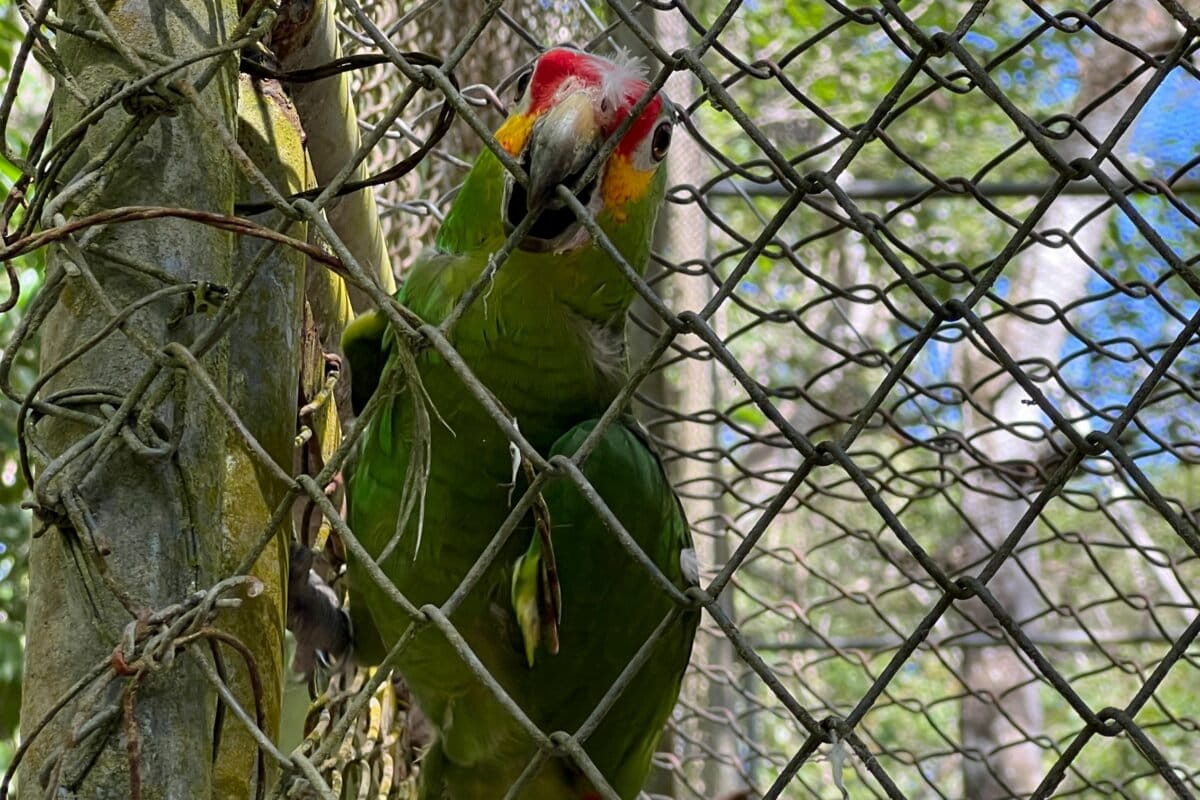
    Banner image: A red-lored amazon, a parrot native to Central and South America. Those who handle exotic birds are often at risk of contracting avian chlamydiosis or psittacosis, an infection so common within the profession that it’s earned the nickname “bird handler’s disease.” Image courtesy of Humane World for Animals India.


    disease exotic India pet poses rising risks trade zoonotic
    NCIJ NETWNCIJ NETWORK
    • Website

    Keep Reading

    A giant anteater’s return in Argentina offers a case for letting nature restore itself

    Mekong’s Irrawaddy dolphins find cautious hope amid a river in crisis

    Heavy rain and floods in northern Vietnam submerge homes and disrupt economy

    Nepal’s deadly debris flow points to risks in other high mountain regions

    Community-based conservation is a good climate investment in Brazil & beyond (commentary)

    These State Elections Could Reshape Climate and Energy Policy

    Add A Comment
    Leave A Reply Cancel Reply

    Editors Picks

    Here’s What the AI Apocalypse Could Look Like

    September 18, 2026

    US takes down NightmareStresser DDoS-for-hire platform

    September 18, 2026

    Dan Hillery: Digital Credit Could Rival BTC’s $1.5 Trillion Market Cap

    September 18, 2026

    A $100 detector can see invisible particles raining down from space

    September 18, 2026
    Latest Posts

    ADNOC, SLB roll out AI-powered tool across over 120 rigs to enhance drilling ops

    August 4, 2026

    Mining threat persists in Raja Ampat, Indonesia’s ‘Amazon of the Seas’

    August 4, 2026

    Smoke Streams Across Eastern Washington

    August 4, 2026

    Subscribe to News

    Get the latest sports news from NewsSite about world, sports and politics.

    NCIJ Network is an independent digital news platform delivering trusted investigative journalism, European and global news, in-depth analysis, and fact-based reporting with accuracy, transparency, and integrity.

    Facebook X (Twitter) Instagram Pinterest YouTube

    Here’s What the AI Apocalypse Could Look Like

    September 18, 2026

    US takes down NightmareStresser DDoS-for-hire platform

    September 18, 2026

    Dan Hillery: Digital Credit Could Rival BTC’s $1.5 Trillion Market Cap

    September 18, 2026

    Subscribe to Updates

    Get the latest creative news from FooBar about art, design and business.

    Type above and press Enter to search. Press Esc to cancel.