


Fighter jets were scrambled in Hungary on Friday “in response to bomb threats involving three civilian passenger aircraft,” said Hungary’s Defense Minister Romulusz Ruszin-Szendi.
Prague Airport said nine flights were targeted by bomb threats Friday alone, while France reported another four threats against aircraft flying over its territory that day. The Bulgarian government told AFP that two flights bound for Sofia were targeted by bomb threats on Friday.
Aviation professionals have said no threat should be underestimated. “No matter how remote the real possibility after a call that there is a bomb on board, we will treat it as if there is a bomb on board,” said Paul Reuter, an airline captain and vice president of the European Cockpit Association.
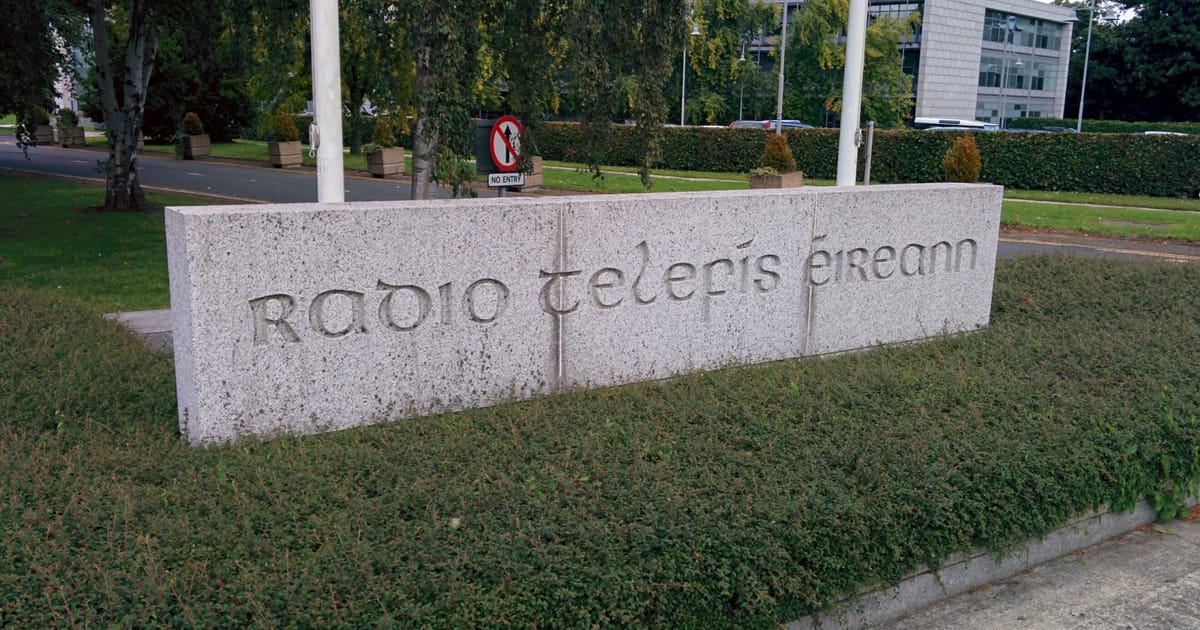
The Irish government official told POLITICO that the sudden increase in anonymous disruptions to airlines, supermarkets and now news outlets appeared to be timed to increase tensions ahead of Dublin’s hosting next Thursday of the EPC summit.
Created in 2022 following Russia’s full-scale invasion of Ukraine, the EPC brings together the leaders of 47 countries and representatives of several bodies, including NATO, to discuss strategic issues. Canadian Prime Minister Mark Carney is also attending.
The Irish official, speaking on condition of anonymity to discuss Friday’s threats freely, declined to identify Russia as the likely culprit. But he noted that EU partners — including Denmark, which faced a similar wave of so-called hybrid attacks in the run-up to its own 2025 hosting of the EPC — had drawn such links in the past.
Irish police Superintendent Liam Geraghty said the event posed an even tougher security challenge than hosting a U.S. presidential visit. “We have not seen a policing and security operation of this scale ever before in Ireland,” Geraghty told reporters.
