


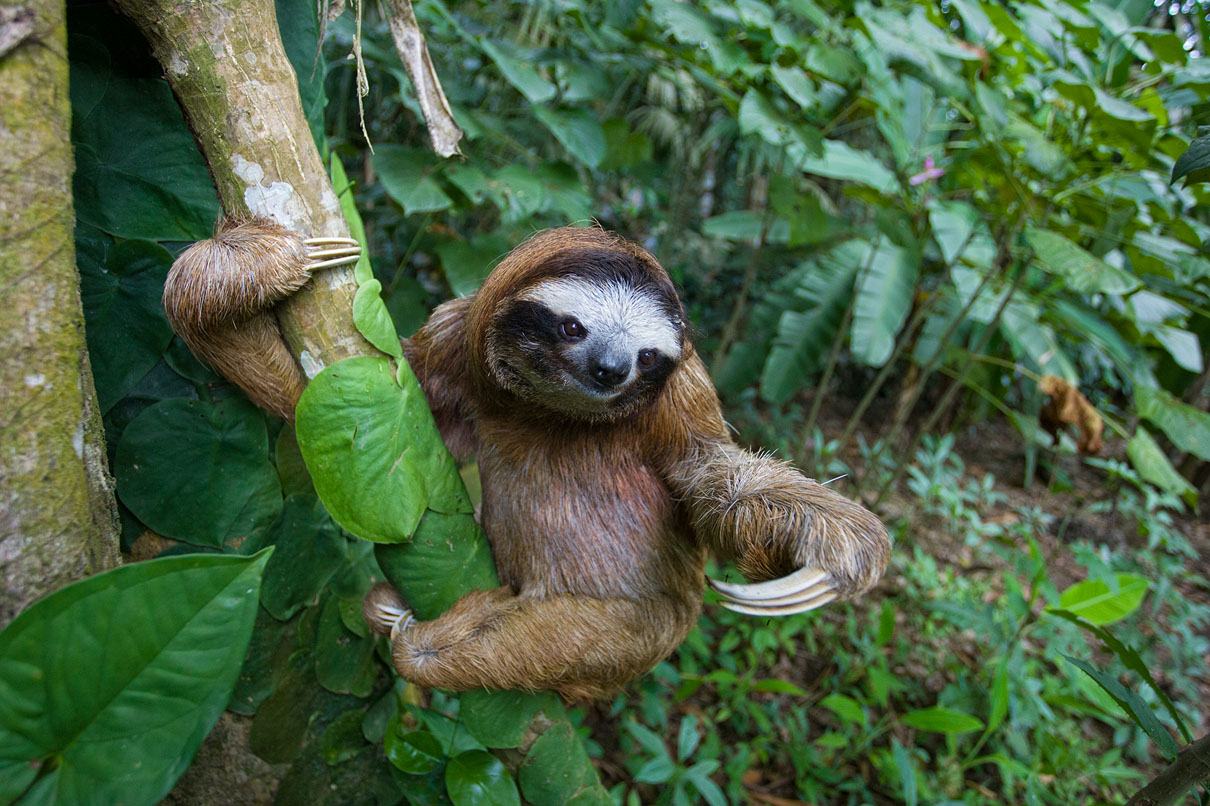
Authorities in the U.S. state of Florida have cleared a controversial startup of criminal neglect after dozens of wild-caught sloths that it imported from South America for tourism purposes died.
The Orange County Sheriff’s Office (OCSO) opened an investigation following the closure of the Sloth World facility in April this year. On Aug. 19, it released its findings, with OCSO detective Aaron Bennet concluding the 57 deaths “appear to be consistent with a multifactorial animal health incident rather than the result of criminal activity or improper care.”
As part of the investigation, Bennet interviewed 20 witnesses, including Sloth World administrators, former workers, and veterinarians with the Central Florida Zoo and Botanical Garden, where the surviving sloths now live.
In April, Ben Agresta, the owner of Sloth World, told local media, “we lost sloths that had a virus of which showed barely any symptoms and was undetectable even after necropsy.”
However, according to the OCSO report, multiple veterinarians stated the sloths were in extremely poor condition: dehydrated, malnourished, and emaciated. Adam Stern, a veterinarian forensic pathologist, said that “the pathology findings reveal a consistent pattern of disease affecting multiple organ systems.”
Pathology reports found multiple viruses present, which wasn’t surprising; 70-80% of sloths in the wild carry several viruses. But autopsies revealed lesions across respiratory, gastrointestinal, immune and neurological systems. Common findings also included pneumonia, bone marrow depletion, and degeneration of the brain and spinal cords, among other health concerns.
Stern said chronic stress likely contributed to the animals’ rapid health decline. These two- and three-toed sloths were captured from the wild and shipped from Guyana and Peru, exposed to different noises, light, food and overcrowded housing — all stressors “which are recognized as factors capable of suppressing immune function and increasing susceptibility to infectious disease,” the OCSO report notes.
Peter Bandre, who oversaw the sloths’ import and care at Sloth World, said two sloths had died by the time they arrived in Florida.
Pathologist John Roberts said, “Sloths have a specialized diet and the minute they go off that diet they’re going to get mineral deficiencies,” particularly copper deficiencies. Roberts said the animals “came in sick” and that “the food was killing them.”
Former Sloth World caretaker Rebecca Lynn Restrepo described concerns about the care and feeding the sloths received and said she believed the Sloth World owners “lacked the necessary knowledge and experience to properly manage the number of animals,” but hadn’t “intentionally neglected or abused the sloths.”
Rebecca Cliffe, the founder and director of the Costa Rica-based Sloth Conservation Foundation, told Mongabay that if this wasn’t a criminal act then the laws protecting animals aren’t strict enough, “because it shouldn’t be possible for that number of sloths to die.”
Sloth World paid to remove the sloths from the wild, which led to the death of at least 57 of them, she noted.
Banner image: courtesy of Suzi Eszterhas.
