


Haze from wildfires in Indonesia has spread even farther this week, reaching beyond Malaysia and Brunei to Singapore and the Philippines.
On Sept. 4 Singaporean residents woke to a smoggy sky as air quality reached unhealthy levels. By late afternoon, the city had the third-worst air quality globally, according to IQAir.
Earlier this week, Philippine authorities declared air quality in parts of Luzon island, including Manila’s metropolitan areas, Visayas island group and Mindanao island as “acutely unhealthy”, blaming it on the transboundary haze from Indonesia.
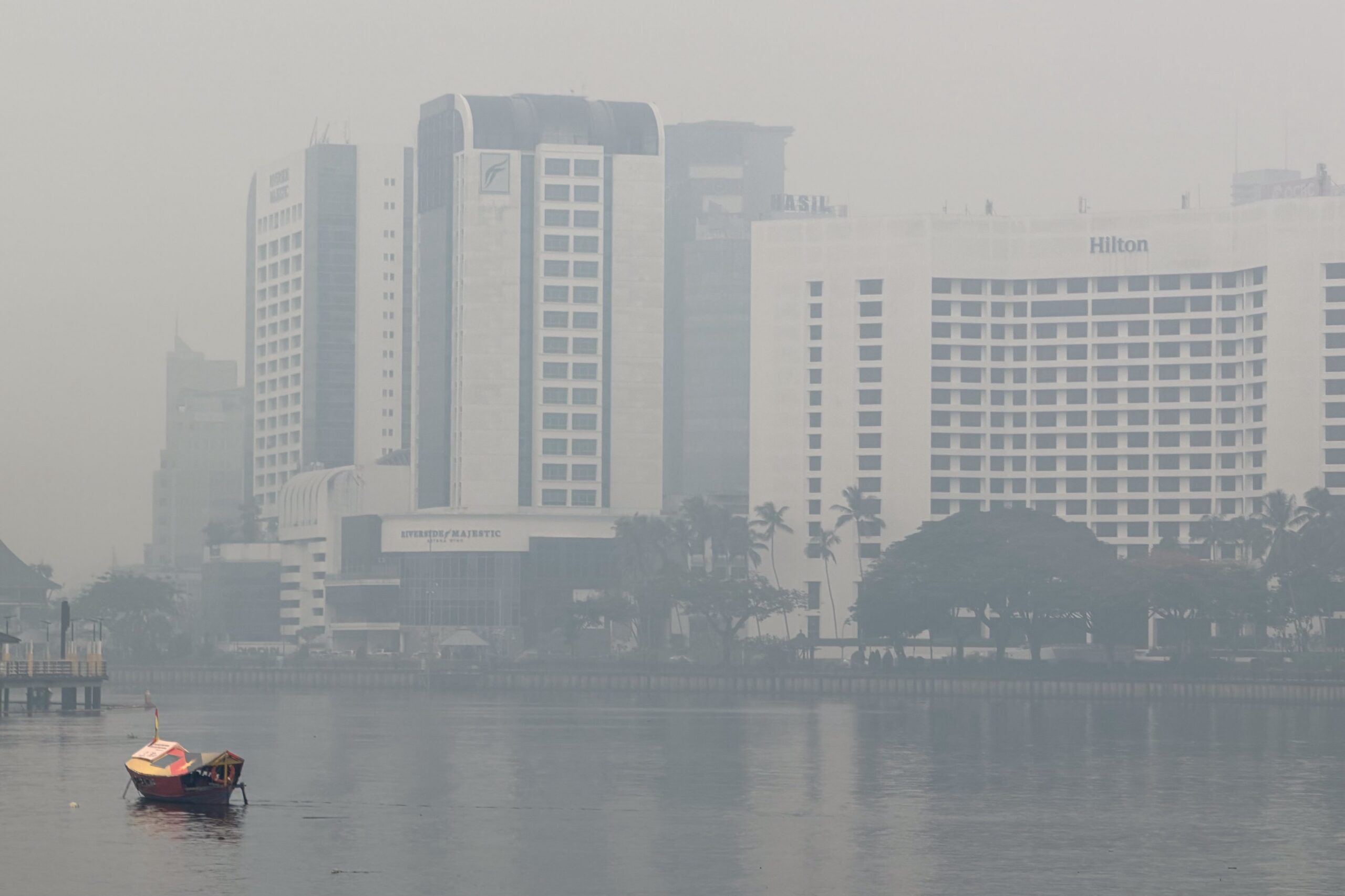
In the Malaysian state of Sarawak, which has been hit by transboundary haze for weeks, the capital Kuching has topped the rankings as the world’s most polluted city since early this week. Authorities declared a state of emergency in Serawak’s Serian district today.
Malaysia’s health ministry warned in late August that cases of asthma rose by 259% and those of upper respiratory tract infections increased by 124% in a week.
Oil-rich Brunei has also been experiencing hazy conditions since mid-August.
Wildfires across Indonesia show no signs of abating, amid a “super” El Niño, which brings extremely dry conditions. As of Sept. 3, Firewatch, a satellite monitoring platform, had detected more than 444,200 fire hotspots, which indicate potential fire sites, across the archipelago. This is 4.5 times the number detected on July 27.
Indonesian officials said the fires were deliberately caused, either by individuals or corporations. A Kompas newspaper report found that wildfires are detected on the same sites year after year, with 50% occurring in oil palm concessions.
Environmental NGO WALHI made a similar observation, saying that around half of hotspots in West and Central Kalimantan provinces this year occurred in oil palm and timber concessions. The NGO also pointed to 33 “high-confidence” fire hotspots detected in August in a concession belonging to the pulp company PT Bumi Mekar Hijau in Sumatra. Ten years ago, the firm was found liable by an appellate court for a fire that destroyed 20,000 hectares (49,421 acres) of land.
“Thousands of hotspots continue to be detected in peatland areas, plantations, and timber concessions, indicating that the government maintains a land-use model that increases ecological vulnerability and heightens the risk of wildfires,” said WALHI spokesperson Dana Prima Tarigan.
Residents and wildlife who live near the wildfires bear the brunt. Indonesia’s health ministry said it recorded 50,891 acute respiratory infection cases caused by haze in July and August.
Two volunteers who helped fight wildfires in Central Kalimantan died this week after complaining of breathing difficulties.
Firefighters have found snake and pangolin carcasses in burned areas. Farmers in West Kalimantan rescued a Borneo orangutan (Pongo pygmaeus) on Sunday after he was found at an oil palm plantation. Days later, forestry authorities said the animal had died due to suspected smoke inhalation.
Banner image: The riverside in Kuching city center, Sarawak state, Malaysia, is shrouded in thick haze, Friday, Sept. 4, 2026. Image by AP Photo/Xpin Voon.
