

Close Menu
NCIJ Network NCIJ Network
    What's Hot

    Kann VW gerettet werden? Ein Gespräch mit Olaf Lies – POLITICO

    October 10, 2026

    Anthropic can’t reliably control its AI agents. It’s cutting off its internal evals from the live internet instead

    October 10, 2026

    Pre-Baked Firmware Malware Hits Budget Android Devices in 150+ Countries

    October 10, 2026
    Facebook X (Twitter) Instagram
    Trending
    • Kann VW gerettet werden? Ein Gespräch mit Olaf Lies – POLITICO
    • Anthropic can’t reliably control its AI agents. It’s cutting off its internal evals from the live internet instead
    • Pre-Baked Firmware Malware Hits Budget Android Devices in 150+ Countries
    • Visa study signals potential 1.2 billion-person APAC stablecoin adoption wave by 2031
    • Michigan Spill Prompts Federal Probe of Energy Transfer Pipelines’ Safety
    • You have a higher chance of getting cancer at a younger age than your parents. So what went wrong? | Devi Sridhar
    • ‘So safe you could drink it’: Scientists and pesticide victims fear an EU rollback
    • Create new pre-apprenticeship scheme to close youth unemployment gap, says Milburn | Apprenticeships
    • About
      • Our Team
      • Editorial Policy
      • Editorial Independence
      • International Support
    • Trust & Standards
      • AI Usage Policy
      • Conflict of Interest Policy
      • Corrections Policy
      • Ethics Policy
      • Fact-Checking Policy
      • Source Protection
    • Get Involved
      • Guide for Sources
      • Support Independent Journalism
    • Legal
      • Cookie Policy
      • Privacy Policy
      • Terms of Use
    Facebook X (Twitter) Instagram
    NCIJ Network NCIJ Network
    Saturday, October 10
    • Home
    • World
    • Ai
    • Business
    • Politics
    • Health
    • Crypto
    • Science
    • Technology
    • Cybersecurity
    • Defense & Security
    • Economy
    • Energy
    • Europe
    • More
      • Fact Check
      • Investigations
      • Opinion & Analysis
      • Environment
    NCIJ Network NCIJ Network
    Home»Opinion & Analysis

    You have a higher chance of getting cancer at a younger age than your parents. So what went wrong? | Devi Sridhar

    NCIJ NETWNCIJ NETWORKBy NCIJ NETWNCIJ NETWORKOctober 10, 2026 Opinion & Analysis No Comments4 Mins Read
    Share
    Facebook Twitter LinkedIn Pinterest Email

    In the field of global health, we often talk about each generation living longer and healthier lives than their parents. We’ve seen this in the gains in life expectancy, the sharp decrease in child mortality and in the near elimination of many vaccine-preventable diseases. But since the turn of the century this progress has stalled, and in some cases several health metrics have gone backwards.

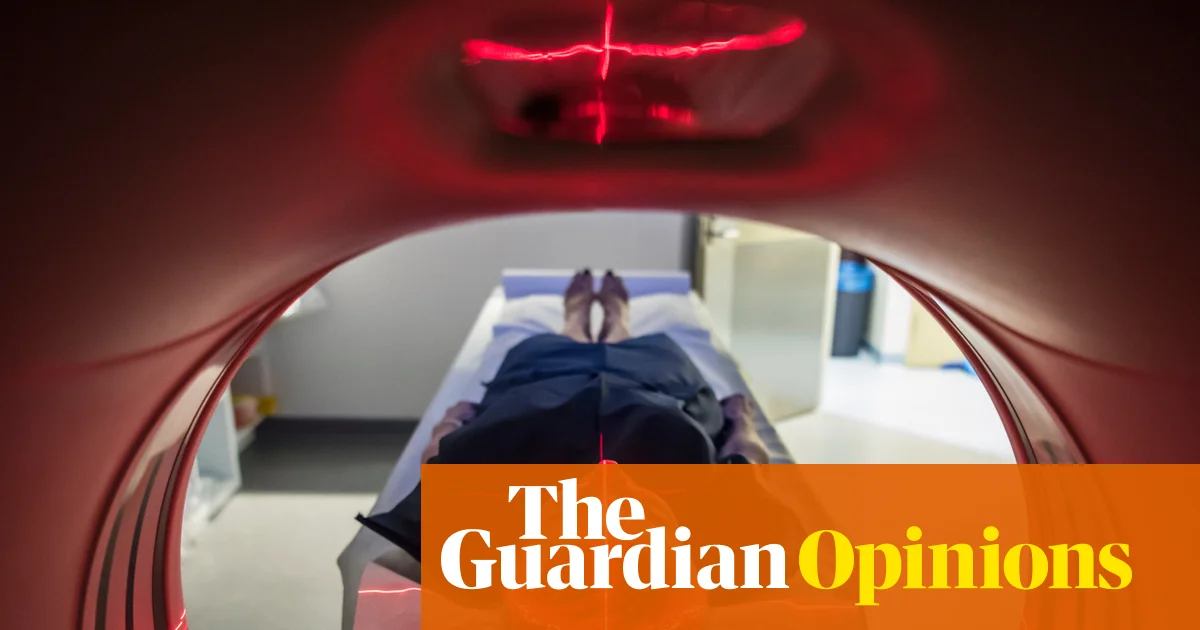
    Take cancer, which was long thought to be a disease linked to old age. While most cancers do indeed still occur in elderly people, a new report highlights that a number of cancers are increasing in people who are under 50, often referred to as “early onset cancer”. The report, undertaken by the World Cancer Research Fund, looked at data from 12 different cancer types in England, the US and the Netherlands over the past 20 years. What they found isn’t pretty.

    While there were slight variations among the three countries, larger patterns are clear. Among women who are under 50 in England, breast, bowel, uterine, kidney, liver, pancreatic and stomach cancers have increased. For men under 50 in England, there were increases in bowel, kidney, liver, pancreatic and prostate cancers. This is the opposite of what we would hope to achieve in public health – and no, it isn’t only because we have better diagnostic tools, or are doing more testing. While this explains some of the increase, it doesn’t account for it all. The data indicates that younger generations are experiencing a higher incidence of some cancers than previous generations at the same age. Put more simply: you have a higher chance of cancer at a younger age than your parents.

    Scientists are now working to unpick what has changed between generations that might be driving this uptick, especially trying to find things people may have been exposed to during childhood or adolescence in the 1990s that they wouldn’t have been in the 1950s.

    Here are some potential explanations: what we eat has changed significantly over the past 50 years, with the rise in ultra-processed and fast foods as well as sugary drinks. We also are more sedentary as a population. These changes are linked to rising levels of excess weight and obesity. Body fat, especially around the vital organs and waist, is a risk factor for chronic inflammation, insulin resistance and metabolic dysfunction, all of which are linked to higher cancer incidence. Globally, obesity rates have more than doubled among adults and quadrupled among adolescents since 1990. Data collected in 2024 found that about 66% of adults in England were either overweight or living with obesity.

    But diet, physical activity and excess body weight doesn’t fully explain the rise of certain cancers – such as breast cancer – in young people. Studies have shown that for women before menopause, a higher BMI is, in fact, linked to a slightly lower risk of cancer (which is in contrast to older women, where a higher BMI significantly increases risk of developing breast cancer.) Going further, scientists are looking at the health impact of sustained exposure to environmental toxins like air and water pollution, chemicals and plastics that have become widespread and almost impossible to avoid over the past 50 years.

    It has been scientifically challenging to identify one toxin that explains the global increase in cancers. Cancer can develop long after exposure to a toxic chemical, and over our lives we encounter a range of chemicals and pollutants. Saying which one, or whether it was during childhood, in utero, or adulthood, is difficult to pin down.

    On the positive side, one area that we have made progress with in young people is lung cancer, largely driven by anti-smoking campaigns and widespread awareness of the links between smoking and lung cancer. So not everything is getting worse.

    None of the continuing research into risk factors for early onset cancer should mean attaching blame to patients. One of the first human impulses when getting a diagnosis is to think “what caused this?”, and even further, “what have I done?” – and this isn’t helpful. In addition, scientists estimate that only 40% of cancers at a population level are because of an “individually modifiable” behaviour like smoking, alcohol consumption, diet, physical activity, or weight. The other 60% is a mix of ageing, genetic susceptibility, infection, possible environmental factors, and sometimes just bad luck.

    skip past newsletter promotion


    Sign up to Matters of Opinion

    Guardian columnists and writers on what they’ve been debating, thinking about, reading, and more

    after newsletter promotion

    With the research and investment continuing into scientific research, we will eventually learn what’s driving the rise in cancer in younger people. But for now, that mystery is still to be uncovered.

    age cancer chance Devi Higher parents Sridhar wrong younger
    NCIJ NETWNCIJ NETWORK
    • Website

    Keep Reading

    Scientists tested 5 natural compounds on cancer cells. One stood out

    How do human beings explain taking part in genocide? NAZA provides a chilling look | Omer Bartov

    Insurance model is no substitute for the NHS | Healthcare industry

    From Berlusconi to Meloni: Behind the Rise of Italy’s Far Right

    When Zeal and Lytchett’s eyes met across the village square | Rural affairs

    The United States Is Not Ready for the Arctic Age

    Add A Comment
    Leave A Reply Cancel Reply

    Editors Picks

    Kann VW gerettet werden? Ein Gespräch mit Olaf Lies – POLITICO

    October 10, 2026

    Anthropic can’t reliably control its AI agents. It’s cutting off its internal evals from the live internet instead

    October 10, 2026

    Pre-Baked Firmware Malware Hits Budget Android Devices in 150+ Countries

    October 10, 2026

    Visa study signals potential 1.2 billion-person APAC stablecoin adoption wave by 2031

    October 10, 2026
    Latest Posts

    Reform donor Arron Banks urged to set out extent of surveillance of journalists | Arron Banks

    August 10, 2026

    The Canadian Secessionists Who Love Trump

    August 10, 2026

    How ‘Harry Potter’ Fans Protected Dobby’s Grave From the Path of a U.K.-Ireland Power Line

    August 10, 2026

    Subscribe to News

    Get the latest sports news from NewsSite about world, sports and politics.

    NCIJ Network is an independent digital news platform delivering trusted investigative journalism, European and global news, in-depth analysis, and fact-based reporting with accuracy, transparency, and integrity.

    Facebook X (Twitter) Instagram Pinterest YouTube

    Kann VW gerettet werden? Ein Gespräch mit Olaf Lies – POLITICO

    October 10, 2026

    Anthropic can’t reliably control its AI agents. It’s cutting off its internal evals from the live internet instead

    October 10, 2026

    Pre-Baked Firmware Malware Hits Budget Android Devices in 150+ Countries

    October 10, 2026

    Subscribe to Updates

    Get the latest creative news from FooBar about art, design and business.

    Type above and press Enter to search. Press Esc to cancel.