


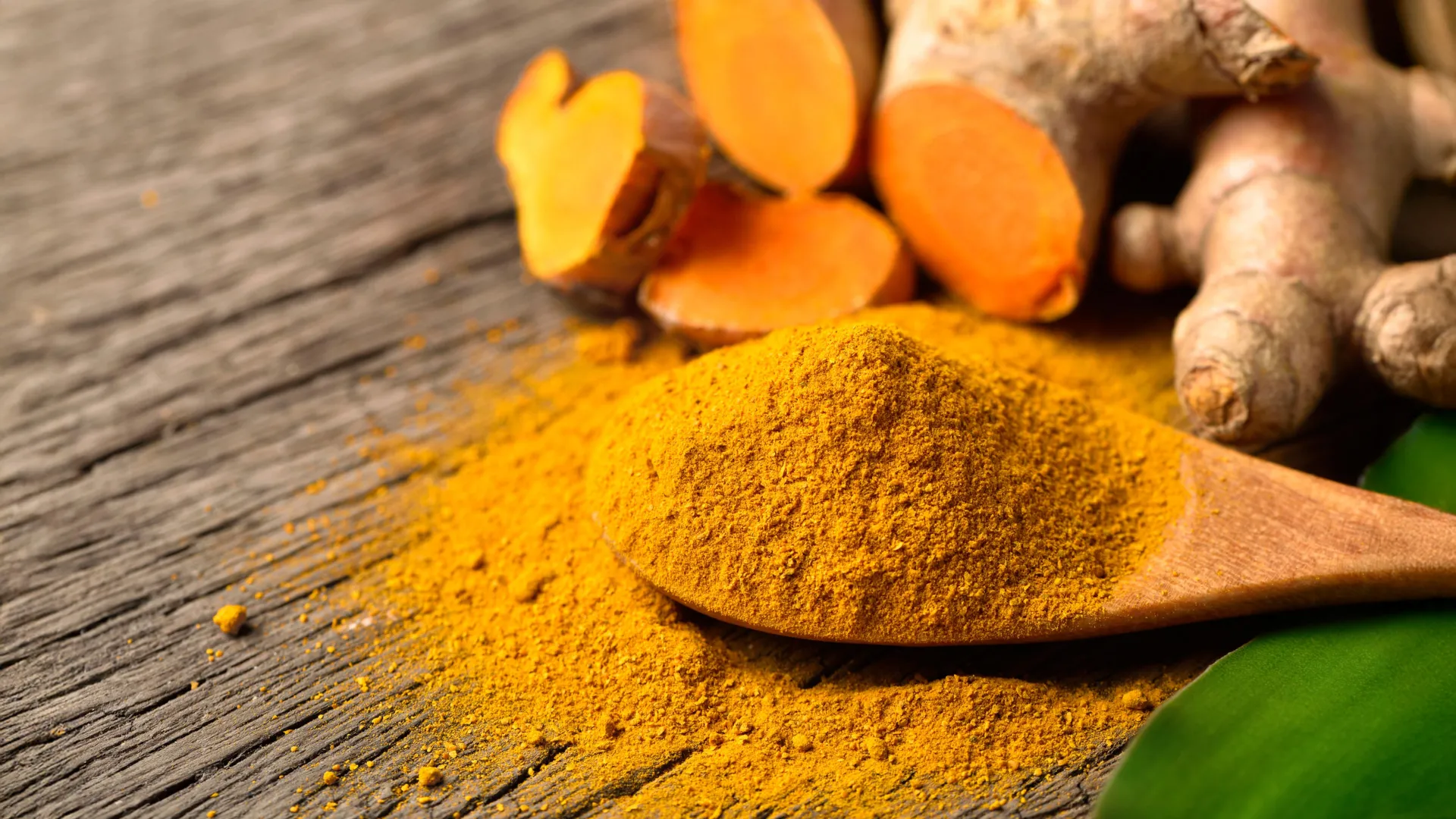
Curcumin, berberine, and several other plant-derived substances have drawn attention from scientists because of their potential anti-inflammatory and anticancer effects. New research from Wroclaw Medical University and the University of Wroclaw suggests, however, that these compounds can behave very differently. A substance that appears powerful against cancer cells may not necessarily have the best safety profile.
The researchers examined five compounds: curcumin, berberine, biochanin A, cucurbitacin E, and CAPE (caffeic acid phenethyl ester), a component of propolis. They compared how each one affected fibrosarcoma cells and healthy muscle cells.
How Natural Compounds Affect a Key Cellular Pathway
A major focus of the study was the NF-κB signaling pathway, which helps regulate inflammation, metabolism, cell survival, and cellular aging.
“NF-κB acts like a central control switch that integrates cellular stress signals and determines whether a cell activates inflammatory pathways, fights for survival or changes its metabolism,” explains Prof. Julita Kulbacka from the Department of Molecular and Cellular Biology at Wroclaw Medical University.
In cancer cells, unusually high NF-κB activity can help cells survive and adjust to stressful conditions. But the pathway also plays an important role in healthy cells. That means an ideal strategy would not eliminate NF-κB activity altogether, but instead influence it in a more controlled and selective way.
Cancer Cells Were More Vulnerable to Energy Loss
The five compounds also interfered with mitochondrial function, making it harder for cells to generate energy.
The effect was especially pronounced in fibrosarcoma cells. Their ATP levels fell by approximately 83-92%, while healthy muscle cells experienced decreases of around 23-73%. The difference suggests that cancer cells may be particularly vulnerable when their energy metabolism is disrupted.
The compounds also changed mitophagy, the process cells use to remove damaged mitochondria.
“Berberine, cucurbitacin E and CAPE enhanced PINK1/PARKIN-dependent mitophagy in fibrosarcoma cells. Combined with the marked reduction in ATP levels, this indicates not a protective response but an overwhelmed adaptive mechanism leading to cellular senescence and death,” says Prof. Julita Kulbacka.
Natural Compounds Pushed Cancer Cells Into Senescence
All five compounds triggered signs of cellular senescence in fibrosarcoma cells. Senescent cells remain alive, but they permanently lose the ability to continue dividing.
Curcumin produced the strongest effect. The share of senescent cancer cells rose from approximately 16.5% to more than 75%. Each of the other compounds also pushed the percentage above 66%.
Healthy muscle cells generally responded less strongly, indicating that the compounds showed some degree of selectivity toward cancer cells.
Curcumin Offered the Best Overall Balance
Cell viability tests showed that curcumin and CAPE were the most selective against fibrosarcoma cells. Curcumin stood out because it combined strong anticancer activity and induction of cellular senescence with a comparatively favorable safety profile.
“Our findings show that these natural compounds can selectively place a greater metabolic burden on cancer cells than on healthy cells by disrupting mitochondrial function and energy metabolism. Among the compounds tested, curcumin demonstrated the most balanced profile,” emphasizes Prof. Julita Kulbacka.
Berberine was also well tolerated. However, researchers say its effects on mitochondria in healthy muscle cells still need to be studied in greater detail.
Anticancer Activity Is Only Part of the Picture
To get an early look at safety beyond isolated cells, the researchers also tested the compounds in greater wax moth (Galleria mellonella) larvae.
Curcumin and berberine were the best tolerated. CAPE and cucurbitacin E were associated with higher mortality, while biochanin A was the most toxic of the five compounds.
The results underscore an important point in drug development. A compound can be highly active against cancer cells and still be a poor candidate if it causes too much harm elsewhere in the organism.
These Compounds Are Not Cancer Treatments Yet
The findings do not show that curcumin, berberine, or the other compounds can currently be used to treat sarcomas. The experiments relied on animal cell lines and a relatively simple invertebrate toxicity model.
“Our findings come from laboratory experiments and preliminary tests in wax moth larvae. The next step is to evaluate these compounds in more advanced in vivo models and to better understand their mechanisms of action, optimal dosing and delivery methods,” notes Prof. Kulbacka.
Even so, the work helps narrow down which natural compounds may deserve closer study. It also shows why potential anticancer agents should be judged not only by how effectively they affect cancer cells, but also by how they influence healthy tissues and the organism as a whole.
Did you know?
- Sarcomas account for less than 1% of all cancers in adults but include more than 100 different disease subtypes.
- There is no single treatment that works for all sarcomas. Different subtypes often require different therapeutic approaches.
- Cancer cells consume much more energy than most healthy cells.
- When their “power plants” — the mitochondria — stop functioning properly, their ability to grow and divide is impaired.
- Natural compounds may inspire the development of future medicines, but they are not therapies on their own.
