


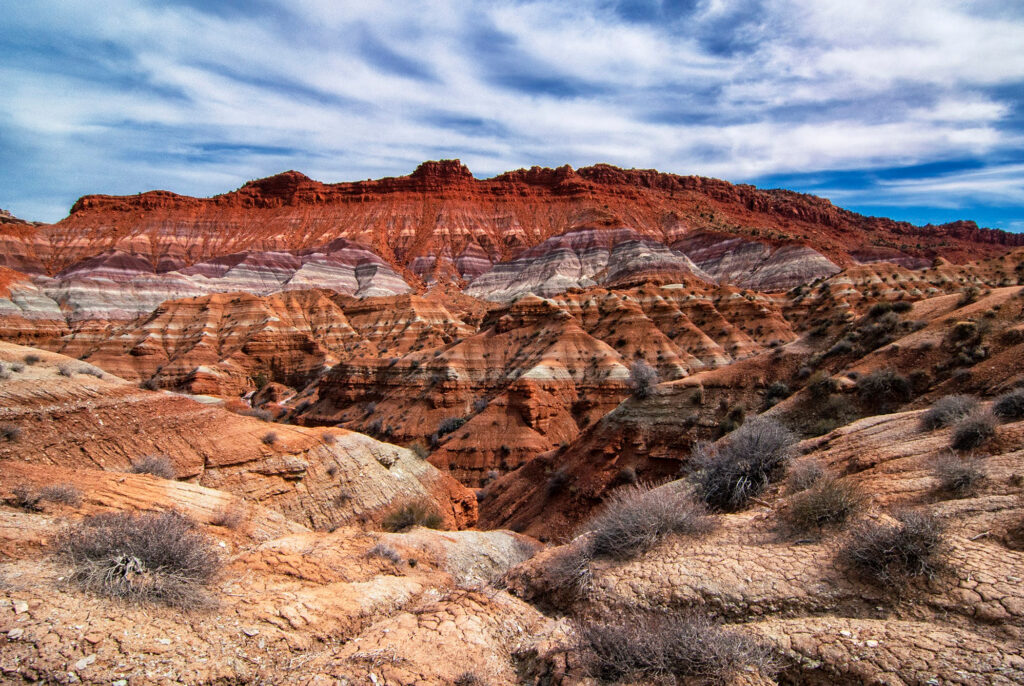
Two-thirds of Utah voters support restoring the boundaries of Bears Ears and Grand Staircase-Escalante national monuments to the previous boundaries they had before President Donald Trump reduced them to less than a quarter of their original size.
That’s according to new polling commissioned by the Grand Canyon Trust, a nonprofit dedicated to protecting the Four Corners region, and conducted by New Bridge Strategy, and comes as the Trump administration’s actions prompt the reignition of major lawsuits from environmental organizations, conservation groups and outdoor apparel maker Patagonia.
“Utahns are currently speaking up, and they’re saying that the decision made regarding Grand Staircase-Escalante and Bears Ears national monuments being shrunk down are wrong and tribes should have been consulted,” said Autumn Gillard, the cultural resource manager for the Paiute Indian Tribe of Utah and coordinator of the Grand Staircase-Escalante Inter-Tribal Coalition, at a press conference hosted Wednesday to announce the poll results.
Before their downsizing, Bears Ears and Grand Staircase-Escalante National Monuments collectively stretched across over three million acres of public lands in southern Utah. Via two executive orders in July, Trump cut the monuments to just 302,600 acres to better align with the administration’s goal of opening up public lands for mining.
Gone are many of the two monuments’ protections for scores of archeological sites and some of the country’s last intact landscapes. Already, mining interests have begun staking claims in the area, even before the downsizing was complete. The executive orders also dissolved the Bears Ears Inter-Tribal Coalition, which spearheaded the monument’s groundbreaking co-stewardship efforts.
The polling found 69 percent of Utahns opposed terminating that coalition, and 82 percent say tribal voices are important for managing the sites. Nearly three-quarters of Utah voters support presidents’ authority to designate national monuments under the Antiquities Act, a long-standing piece of legislation that Republicans have targeted, and 81 percent of Utahns oppose selling public lands to private interests, which Utah Republicans have advocated for.
“Whether every elected official agrees with the results or not, these findings are profoundly telling and should not be ignored,” said Davina Smith-Idjesa, a member of the Navajo Nation and part of both monuments’ inter-tribal coalitions, about the polling. “They reflect broad support within Utah for protecting these national monuments and ensuring that tribal nations have a meaningful and lasting role in their future.”
Other polls have found similar results: Colorado College’s 16th annual Conservation in the West Poll found 91 percent of voters in the Western U.S. support keeping existing national monument designations in place.
In a statement, White House spokesperson Taylor Rogers said previous administrations abused their power under “the Antiquities Act to lock up millions of acres of Utah’s public lands, impoverishing local communities and sharply restricting access for recreation, grazing, resource development, and fire prevention” and downsizing the monuments “allow for common sense land use in these areas.”
Trump’s downsizing of Bears Ears and Grand Staircase-Escalante this year isn’t his first attempt. In 2017, he reduced Bears Ears by 85 percent, and cut Grand Staircase-Escalante nearly in half. Environmental groups, including the Grand Canyon Trust, filed suit, as did local tribes, Patagonia and Access Fund, the national rock climbing advocacy organization.
That litigation was paused after the Biden administration restored the monuments. But it has since been reignited, with Patagonia, Access Fund and the coalition of environmental groups filing to restart their lawsuits. The tribal groups, for now, have not refiled.
Those challenges rest on the Antiquities Act of 1906. That law gives presidents the power to create national monuments, but not to downsize them. That power rests with Congress. Last year, the Department of Justice outlined its reasoning for the opposite in a memo, but legal scholars have questioned that position and how it would hold up in court, if used.
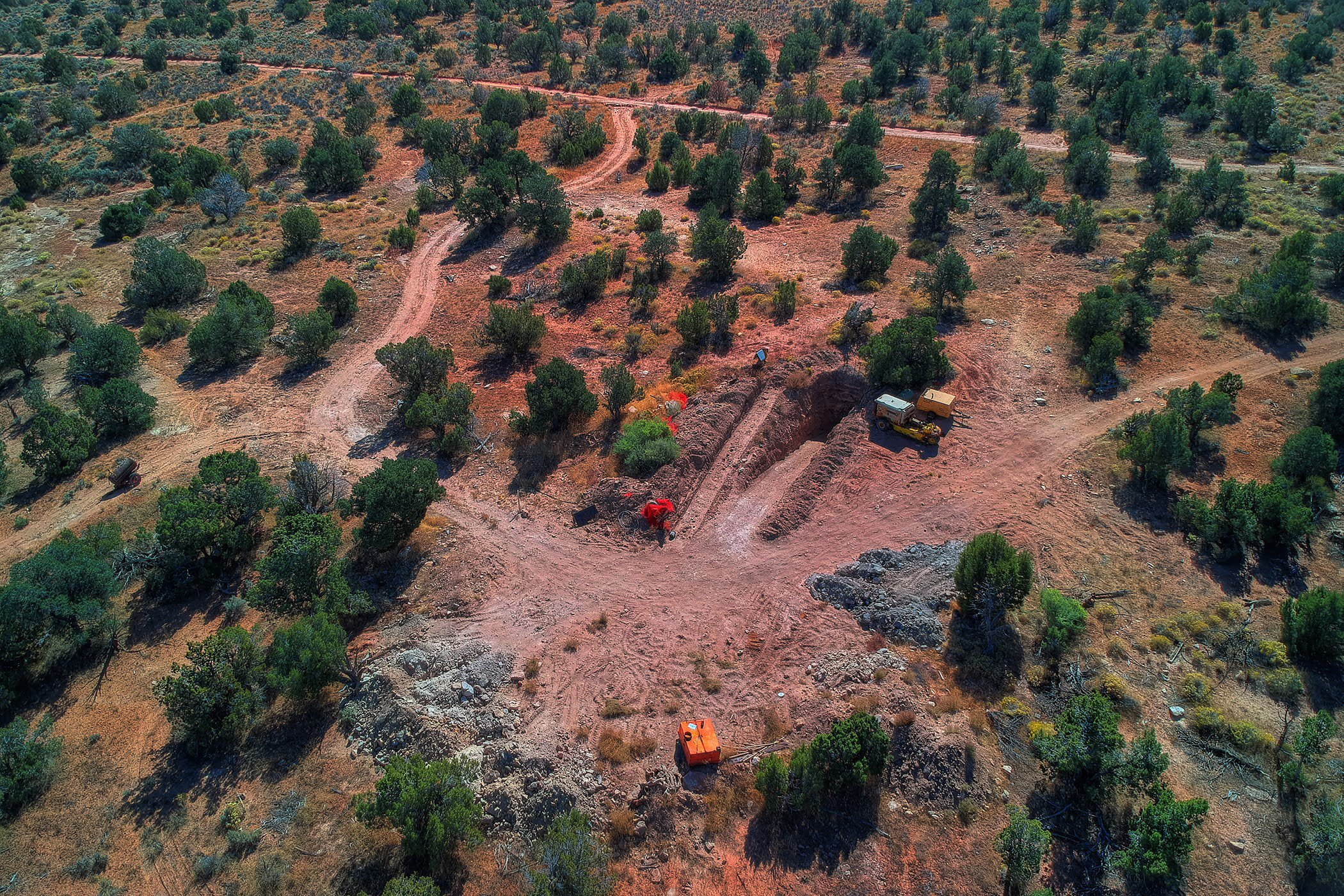
Tom Delehanty, senior attorney with Earthjustice, which represents the coalition of environmental groups, said Bears Ears and Grand Staircase-Escalante are treasured for their significance to scientific research, cultural and historical significance to local tribes and opportunities for public recreation, and that’s why protecting them is so important. Delehanty expects developers to move quickly to try and stake claims.
“Having things like earth-moving equipment, flags staked and a just general industrial presence within these really beautiful, undeveloped landscapes is a tragedy,” he said. “It’s very much something that we want to avoid, and it’s part of why these lawsuits are so important.”
About This Story
Perhaps you noticed: This story, like all the news we publish, is free to read. That’s because Inside Climate News is a 501c3 nonprofit organization. We do not charge a subscription fee, lock our news behind a paywall, or clutter our website with ads. We make our news on climate and the environment freely available to you and anyone who wants it.
That’s not all. We also share our news for free with scores of other media organizations around the country. Many of them can’t afford to do environmental journalism of their own. We’ve built bureaus from coast to coast to report local stories, collaborate with local newsrooms and co-publish articles so that this vital work is shared as widely as possible.
Two of us launched ICN in 2007. Six years later we earned a Pulitzer Prize for National Reporting, and now we run the oldest and largest dedicated climate newsroom in the nation. We tell the story in all its complexity. We hold polluters accountable. We expose environmental injustice. We debunk misinformation. We scrutinize solutions and inspire action.
Donations from readers like you fund every aspect of what we do. If you don’t already, will you support our ongoing work, our reporting on the biggest crisis facing our planet, and help us reach even more readers in more places?
Please take a moment to make a tax-deductible donation. Every one of them makes a difference.
Thank you,

Reporter, Phoenix
Wyatt Myskow covers drought, biodiversity and the renewable energy transition throughout the Western U.S. Based in Phoenix, he previously reported for The Arizona Republic and The Chronicle of Higher Education. Wyatt has lived in the Southwest since birth and graduated from Arizona State University with his bachelor’s degree in journalism.
