


Scientists have uncovered a surprising way that viruses can interfere with the body’s cells. When too much RNA accumulates inside a cell, it can damage the structures that produce energy, potentially leaving the cell struggling to function normally.
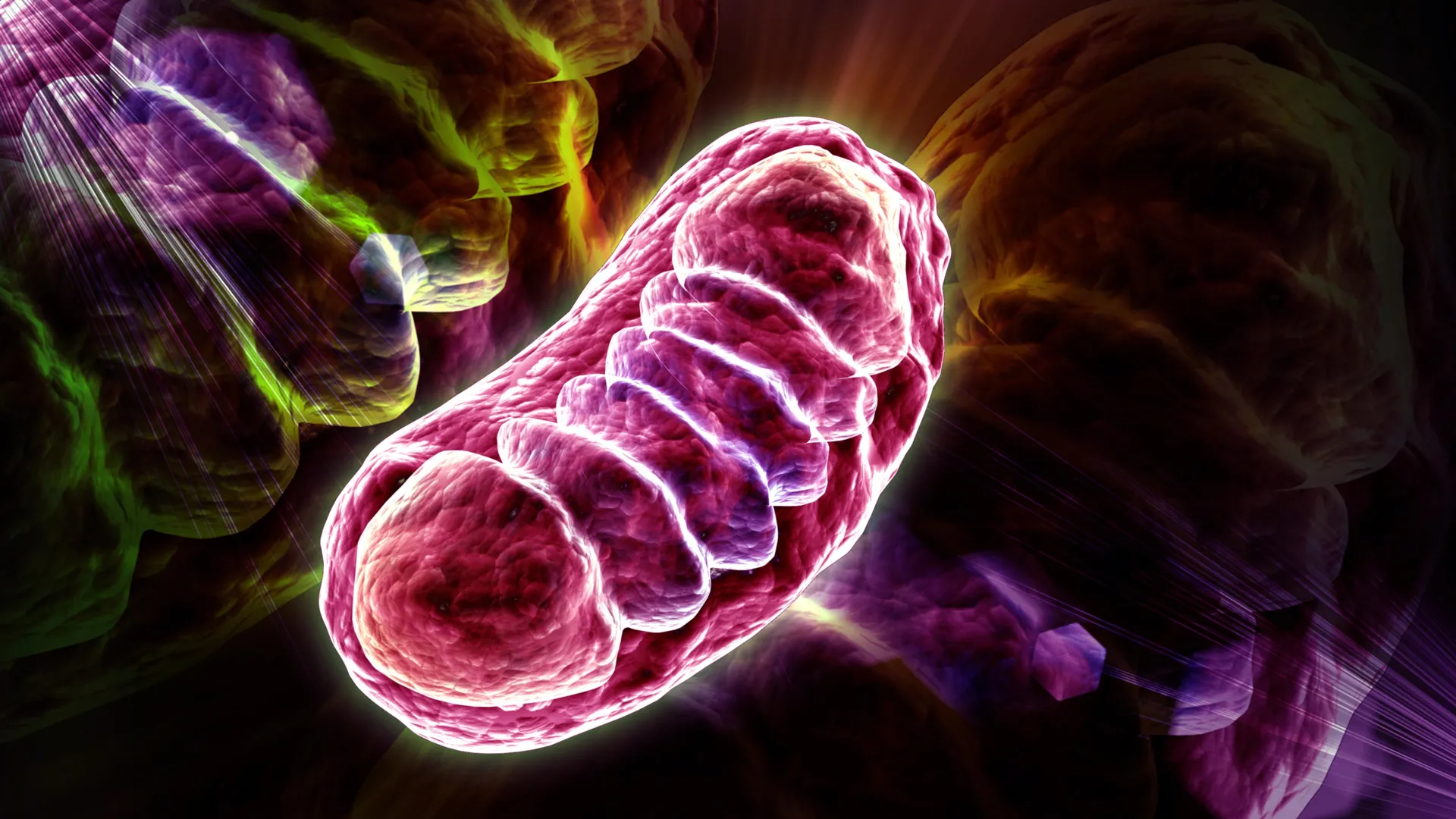
A new study led by researchers at the Texas A&M College of Veterinary Medicine and Biomedical Sciences (VMBS) found that excess RNA produced during poxvirus infections can impair mitochondria, the tiny structures responsible for generating most of the energy cells need to survive.
Published in Proceedings of the National Academy of Sciences, the research reveals an unexpected connection between RNA buildup and cellular energy production. The findings could have implications far beyond viral infections, potentially helping scientists better understand aging-related diseases and improve RNA-based medical treatments, including mRNA vaccines.
“Scientists have long known that RNA degradation helps control protein production and remove defective RNA,” said Dr. Zhilong Yang, a professor in VMBS’ Department of Veterinary Pathobiology. “Our study reveals another important role: it helps cells maintain the energy they need to function properly.”
Cells constantly produce and break down RNA as part of their normal activities. This cleanup process, known as RNA degradation, helps regulate protein production, eliminate faulty RNA, and control immune responses. The new findings suggest it also performs another essential function by protecting the cell’s energy supply.
Why Too Much RNA Can Damage Cells
RNA plays several important roles in keeping cells functioning. Messenger RNA (mRNA), for example, carries genetic instructions that tell cells which proteins to produce. These proteins are needed for nearly everything cells do, from maintaining their structure to carrying out essential chemical reactions.
Another type, double-stranded RNA (dsRNA), frequently appears during viral infections. Its presence can serve as a warning signal, alerting the immune system that a virus may have entered the cell.
Viruses often generate large quantities of RNA as they reproduce inside infected cells. Ordinarily, cellular cleanup systems help prevent RNA from accumulating to harmful levels. However, when RNA production exceeds the cell’s ability to break it down, the excess material can interfere with mitochondria and reduce energy production.
Scientists already understood that excessive double-stranded RNA could provoke potentially harmful immune responses. What surprised the researchers was discovering that too much ordinary messenger RNA could also damage mitochondria.
“MRNA is a normal component of our cells, but it seems like with many good things, if we get too much, that can become a problem for the cell,” Yang said. “When too much RNA builds up, including mRNA, it can damage the mitochondria and interfere with the cell’s ability to produce energy.”
This creates an unusual challenge for viruses. Although viruses depend entirely on the cells they infect to supply energy and manufacture proteins, producing excessive amounts of viral RNA can damage the very machinery they need to reproduce.
According to Yang, poxviruses, a group that includes the viruses responsible for smallpox and mpox, appear to have ways of managing this problem. They use RNA cleanup mechanisms to remove excess RNA, helping infected cells remain functional long enough for viral replication to continue.
“If the cell is not healthy, the virus would not replicate well,” Yang said. “The virus needs to keep RNA levels balanced inside the cell.”
Scientists Discover RNA Can Directly Damage Mitochondria
One of the study’s most unexpected findings emerged when researchers investigated exactly how excess RNA affects mitochondria.
Initially, the team suspected that RNA buildup was damaging these cellular powerhouses indirectly by activating the immune system. Certain types of RNA are known to trigger defensive responses, which can place additional stress on infected cells.
However, experiments revealed that the damage did not require an immune response.
“When we isolated only the mitochondria and added RNA, we still saw mitochondrial damage,” said Dr. Djamal Brahim Belhaouari, the study’s first author. “That was the moment we realized this could be a previously unknown cellular response to RNA.”
The researchers also observed that mitochondrial problems developed before substantial immune activation occurred. Furthermore, the damage did not depend on the immune pathways normally activated during infection.
Together, these results indicate that excess RNA itself can interfere with mitochondrial function, rather than simply causing damage through the body’s response to a virus.
The precise mechanism remains unclear, but the researchers have proposed a possible explanation involving electrical charges.
Mitochondria produce energy by maintaining an electrical and chemical difference across their inner membranes. This difference helps drive the production of ATP, the molecule cells use as their primary energy source.
RNA carries a negative electrical charge. The researchers suspect that when unusually large amounts accumulate near mitochondria, they may disturb the electrical conditions required for efficient energy production.
“We think the negatively charged RNA may accumulate around mitochondria and disrupt the electrical balance needed for energy production, although how it happens is unknown,” Yang said. “This is a new concept that we are continuing to explore.”
What the Discovery Could Mean for Aging and Disease
Although the experiments focused on viral infections, the findings raise questions about whether RNA buildup might contribute to other health problems.
Abnormal RNA accumulation has been observed in several conditions, including certain cancers, neurodegenerative diseases, and disorders associated with aging. Neurodegenerative diseases involve the progressive deterioration of nerve cells, as occurs in conditions such as Alzheimer’s and Parkinson’s disease.
Because mitochondria are essential for maintaining healthy cells, disruptions to their energy production could potentially contribute to cellular dysfunction in some of these conditions.
The researchers suggest that excess RNA may represent one previously unrecognized source of mitochondrial stress. However, further studies are needed to determine how broadly this mechanism operates and whether it directly contributes to these diseases.
“We think this has quite broad translational implications,” Brahim Belhaouari said. “Too much double-stranded RNA or mRNA that cannot be degraded effectively may contribute to disease processes in some contexts.”
Potential Implications for mRNA Vaccines and Future Treatments
The discovery could also provide useful information for scientists developing medicines that rely on RNA.
RNA-based therapies, including mRNA vaccines, work by introducing RNA instructions into cells to produce specific proteins. Understanding how cells respond to RNA, process it, and eventually break it down is important for designing these treatments.
By identifying another way excessive RNA can affect cellular health, the findings may help researchers optimize future RNA-based therapies and vaccines. The study does not establish that existing mRNA vaccines cause mitochondrial damage in people.
“Understanding this mechanism could help researchers design and optimize future RNA-based therapeutics and vaccines by better understanding how cells respond to large amounts of RNA,” Yang said.
More broadly, the research suggests that controlling RNA levels is important for more than maintaining accurate protein production or managing immune activity. It may also be essential for keeping mitochondria functioning and ensuring cells have enough energy.
For the scientists, the most striking result was that even a molecule cells depend on every day can become harmful when it accumulates beyond normal levels.
“Scientists already knew that too much double-stranded RNA can be harmful,” Yang said. “What surprised us was finding out that too much mRNA — something cells normally need every day — can also damage mitochondria and interfere with the cell’s ability to produce energy.”
Research reported in this study was supported, in part, by the National Institute of Allergy and Infectious Diseases (R01AI143709 to Z.Y.) and Texas A&M University. The content is solely the responsibility of the authors and does not necessarily represent the official views of the NIH.
