

Close Menu
NCIJ Network NCIJ Network
    What's Hot

    Uganda: President Museveni’s Succession Plan Is Underway

    August 18, 2026

    Did Secret Service agent share private details about how Trump acts in presidential limousine?

    August 18, 2026

    Chocó, Colombia, Faces Deeper Hardship After an Earthquake

    August 18, 2026
    Facebook X (Twitter) Instagram
    Trending
    • Uganda: President Museveni’s Succession Plan Is Underway
    • Did Secret Service agent share private details about how Trump acts in presidential limousine?
    • Chocó, Colombia, Faces Deeper Hardship After an Earthquake
    • Google Just Made It Easier for Campaigns to Send You Fund-Raising Emails
    • Can the Upcoming ‘Expanse’ Game Avoid ‘Mass Effect’s’ Biggest Mistake?
    • What Zhipu’s own GLM-5.3 data says about the benchmark gap
    • AI “Mind Viruses” Can Spread Between Agents Through Persistent Prompt Files
    • Morning Minute: PUMP Prints First Golden Cross as Revenue Hits Seven-Month High
    • About
      • Our Team
      • Editorial Policy
      • Editorial Independence
      • International Support
    • Trust & Standards
      • AI Usage Policy
      • Conflict of Interest Policy
      • Corrections Policy
      • Ethics Policy
      • Fact-Checking Policy
      • Source Protection
    • Get Involved
      • Guide for Sources
      • Support Independent Journalism
    • Legal
      • Cookie Policy
      • Privacy Policy
      • Terms of Use
    Facebook X (Twitter) Instagram
    NCIJ Network NCIJ Network
    Tuesday, August 18
    • Home
    • World
    • Ai
    • Business
    • Politics
    • Health
    • Crypto
    • Science
    • Technology
    • Cybersecurity
    • Defense & Security
    • Economy
    • Energy
    • Europe
    • More
      • Fact Check
      • Investigations
      • Opinion & Analysis
      • Environment
    NCIJ Network NCIJ Network
    Home»Science

    The bacteria that make cheese taste so good may also benefit your gut

    NCIJ NETWNCIJ NETWORKBy NCIJ NETWNCIJ NETWORKAugust 18, 2026 Science No Comments4 Mins Read
    Share
    Facebook Twitter LinkedIn Pinterest Email

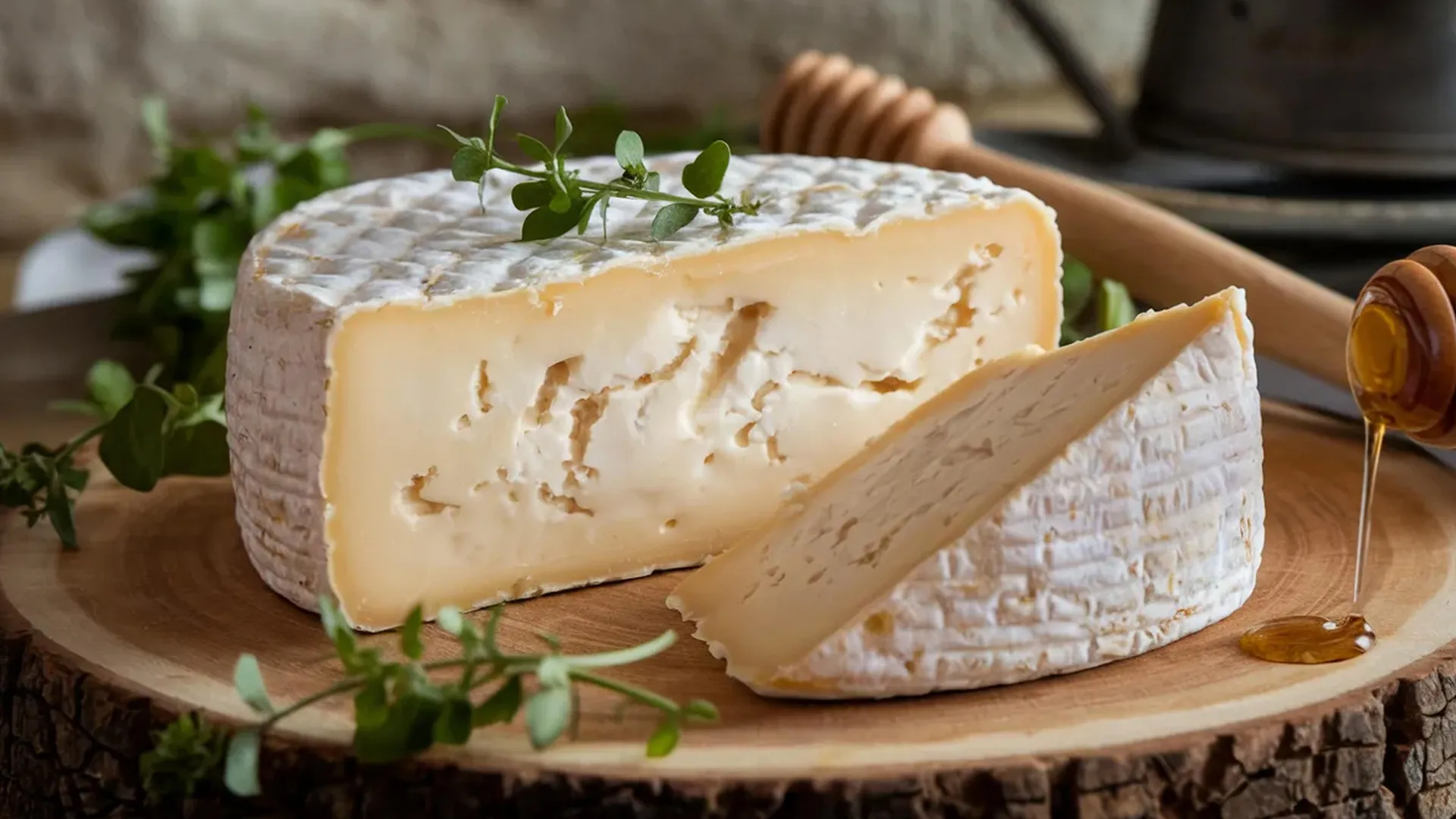
    Scientists have identified the bacteria that help give three British artisan cheeses their distinctive flavors, and some of those microbes may also have potential benefits for human health.

    Researchers in the Food Microbial Sciences Unit at the University of Reading tracked the microbial and biochemical changes that occurred as three locally made Oxfordshire cheeses matured. Their findings suggest that some of the bacteria responsible for developing each cheese’s unique character may also be useful to the people who eat them.

    The study, published in ACS Food Science & Technology, focused on three varieties made by Nettlebed Creamery in Oxfordshire. These included a soft white rind cheese aged for a little more than a week, a washed rind semi-soft cheese that matures over several weeks, and a semi-hard cheese aged in hay for about nine months.

    Helpful Bacteria Shape Flavor and Texture

    Lead author Sabrina Longley, a PhD researcher in the Department of Food and Nutritional Sciences, said: “Good cheese is delicious, and the artisan varieties we studied are full of microbial life that could have benefits to your gut health.

    “The aging process creates more complex aromas and textures through the work of an army of helpful bacteria. The matrix of fats and proteins in the cheese may also help protect the bacteria as they travel along the digestive tract, making cheese an excellent vehicle for delivery of probiotics to the gut.”

    To follow how the cheeses changed over time, the researchers collected samples at multiple stages of maturation and analyzed both their bacterial communities and chemical composition.

    All three cheeses contained bacteria with recognized probiotic potential, meaning they may help support populations of beneficial microbes in the gut. Streptococcus thermophilus, which is also commonly used as a yogurt starter, remained dominant in the semi-soft and harder cheeses throughout the maturation process. Lactococcus lactis was detected in all three cheeses from start to finish.

    The washed rind cheese and hay-aged cheese also contained Propionibacterium freudenreichii. This bacterium produces propionic acid, a compound associated with anti-inflammatory properties, reduced cholesterol synthesis, and appetite regulation.

    Cheese Rinds May Have Prebiotic Potential

    Cheese lovers who enjoy eating the rind may have another reason to do so. The white mold Penicillium candidum, which forms the characteristic rind on the soft cheese studied, produces chitin, a dietary fiber that may act as a prebiotic.

    Prebiotics serve as food for beneficial bacteria in the gut, potentially encouraging positive changes in the gut microbiota.

    The hay aging process also appeared to have a striking effect on the harder cheese. As it matured, the diversity of bacterial species increased substantially. The fully mature cheese contained nearly four times as many bacterial species as the same cheese did earlier in the aging process.

    Mature Cheese Contained Very Little Lactose

    The researchers also found that lactose, the sugar in cow’s milk that some people have difficulty digesting, was almost entirely absent from all three cheeses once they had matured.

    During fermentation, lactic acid bacteria broke down most of the lactose, leaving very little behind by the time the cheeses were ready to eat.

    Sabrina Longley is also a cheesemaker at the independent Nettlebed Creamery in Oxfordshire, which part-funded the research. She is carrying out her PhD research part-time with support from a University of Reading regional bursary, a program designed to help people from the local area pursue research studies.

    The researchers caution that more work is still needed. Further research (dietary intervention trials) will be necessary to determine how these bacterial populations behave and change within the gut microbiota after the cheeses are consumed, as well as what effects they ultimately have on the human body.

    bacteria benefit cheese good gut taste
    NCIJ NETWNCIJ NETWORK
    • Website

    Keep Reading

    Kratom poison center cases have surged 6,500% in the U.S.

    A therapy that “rewrites” childhood memories can ease fear of failure

    Einstein’s biggest “mistake” came back — and changed cosmology forever

    Scientists may have finally proved that “empty” space isn’t really empty

    Chasing Fire Clouds in Utah

    Hubble Solves Merger Mystery From Milky Way’s Early Years

    Add A Comment
    Leave A Reply Cancel Reply

    Editors Picks

    Uganda: President Museveni’s Succession Plan Is Underway

    August 18, 2026

    Did Secret Service agent share private details about how Trump acts in presidential limousine?

    August 18, 2026

    Chocó, Colombia, Faces Deeper Hardship After an Earthquake

    August 18, 2026

    Google Just Made It Easier for Campaigns to Send You Fund-Raising Emails

    August 18, 2026
    Latest Posts

    Tether’s XAUT Gains Shariah Certification for Islamic Finance

    July 27, 2026

    Nvidia and Tech Giants Launch AI Security Alliance

    July 27, 2026

    Perplexity Releases pplx, a Single-Binary CLI That Puts Its Search API in the Terminal for Coding Agents

    July 27, 2026

    Subscribe to News

    Get the latest sports news from NewsSite about world, sports and politics.

    NCIJ Network is an independent digital news platform delivering trusted investigative journalism, European and global news, in-depth analysis, and fact-based reporting with accuracy, transparency, and integrity.

    Facebook X (Twitter) Instagram Pinterest YouTube

    Uganda: President Museveni’s Succession Plan Is Underway

    August 18, 2026

    Did Secret Service agent share private details about how Trump acts in presidential limousine?

    August 18, 2026

    Chocó, Colombia, Faces Deeper Hardship After an Earthquake

    August 18, 2026

    Subscribe to Updates

    Get the latest creative news from FooBar about art, design and business.

    Type above and press Enter to search. Press Esc to cancel.