


The fight to stop five dams on the Baker and Pascua rivers began in one of Chile’s least populous regions, far from Santiago, where national energy policy was set. HidroAysén said Chile needed the project to meet rising demand for electricity. Patricio Segura, working from Aysén in Chilean Patagonia, spent years picking apart that case. He read the filings, explained what the reservoirs and transmission lines would mean on the ground, and helped residents prepare their own arguments. The dams were never built.
There was an obvious complication: Segura was also one of the organizers. Through the Corporación Privada para el Desarrollo de Aysén, or CODESA, he helped organize local opposition and worked on communications for Patagonia Sin Represas. International groups eventually joined, helping make the Baker and Pascua global symbols of river defense. Segura welcomed the wider audience but repeatedly insisted that decisions stay with the people who lived in Aysén.
Born in Iquique, he studied journalism at the Universidad Católica del Norte and arrived in Coyhaique in 1995. He wrote about science, tourism, corruption, and politics. His reporting appeared in local outlets and national publications, and for 15 years he contributed investigations and columns to Patagon Journal.
HidroAysén’s defeat left plenty else for him to cover. Salmon companies were spreading through the Patagonian fjords, leaving pollution and damaged seabeds while gaining political clout. Mines closed or changed hands without adequately addressing contaminated sites. Rural estates were divided into hundreds of speculative plots, or megaloteos, creating settlements outside normal planning and the provision of public services. Segura examined the permits and court cases, checked company claims, and named the officials responsible.
Conservation groups did not escape his scrutiny. Segura objected when wealthy outsiders acquired land or promoted protected areas without giving local communities a meaningful role. In a three-part series, he described private conservation, tourism, and rural subdivision as “green Monopoly.” Protecting Patagonia, he argued, did not give philanthropists the right to decide its future. “What cannot happen,” he once said, “is for outsiders to dictate how things should be.” He believed conservation imposed from elsewhere could reproduce the inequalities of industrial development, and said so even when it meant criticizing his own movement.
Segura did not mind giving offense, but he did his homework. In a column on salmon farming, a comparison with Mr. Burns’s control of Springfield in The Simpsons came only after a labor study, a diver’s death, and a Supreme Court ruling. His longer investigations worked the same way, drawing on official minutes, correspondence, company statements, and residents’ testimony. Allies received the same treatment when he thought they were wrong.
Segura died from hantavirus on August 21st, aged 54. Less than a month earlier, Patagon Journal published his last column, “The Other AI: Ancestral Intelligence.” It examined knowledge built over generations of observation by Indigenous peoples, long dismissed as superstition. Segura believed that dismissal had done lasting damage. For him, the history contained “a lesson we need to reclaim.”
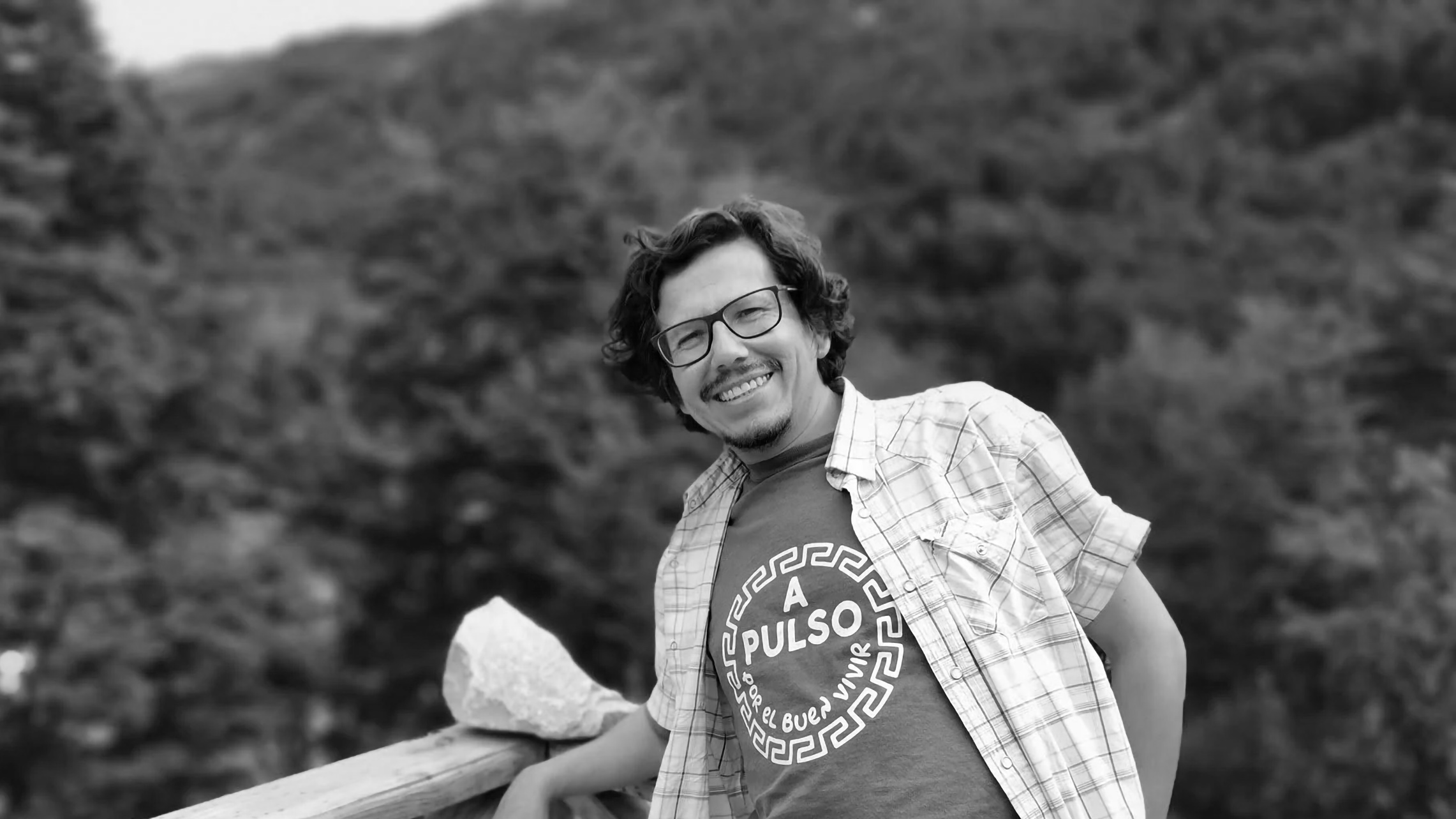
Header image: Patricio Segura. Courtesy of Patagon Journal
