

Close Menu
NCIJ Network NCIJ Network
    What's Hot

    ThreatsDay: Ransomware Affiliate Betrayal, WhatsApp RAT, Exposed Hacker Tools and 12 More Stories

    October 9, 2026

    Cantor Faces Senate Scrutiny Over Tether, Lutnick Ties

    October 9, 2026

    Scientists found Homo erectus 200,000 years earlier than expected

    October 9, 2026
    Facebook X (Twitter) Instagram
    Trending
    • ThreatsDay: Ransomware Affiliate Betrayal, WhatsApp RAT, Exposed Hacker Tools and 12 More Stories
    • Cantor Faces Senate Scrutiny Over Tether, Lutnick Ties
    • Scientists found Homo erectus 200,000 years earlier than expected
    • French Protests: What History Can Tell Us About France’s Unrest
    • Millions on alert as Hurricane Isaias set to bring dangerous storm surge | US weather
    • Green party concedes in Holborn and St Pancras byelection as result imminent – UK politics live | Politics
    • Can AI fix legacy IT? The ‘economics don’t hold up,’ says former IBM strategist
    • FBI disrupts Chinese hacking tools used to breach critical infrastructure
    • About
      • Our Team
      • Editorial Policy
      • Editorial Independence
      • International Support
    • Trust & Standards
      • AI Usage Policy
      • Conflict of Interest Policy
      • Corrections Policy
      • Ethics Policy
      • Fact-Checking Policy
      • Source Protection
    • Get Involved
      • Guide for Sources
      • Support Independent Journalism
    • Legal
      • Cookie Policy
      • Privacy Policy
      • Terms of Use
    Facebook X (Twitter) Instagram
    NCIJ Network NCIJ Network
    Friday, October 9
    • Home
    • World
    • Ai
    • Business
    • Politics
    • Health
    • Crypto
    • Science
    • Technology
    • Cybersecurity
    • Defense & Security
    • Economy
    • Energy
    • Europe
    • More
      • Fact Check
      • Investigations
      • Opinion & Analysis
      • Environment
    NCIJ Network NCIJ Network
    Home»Environment

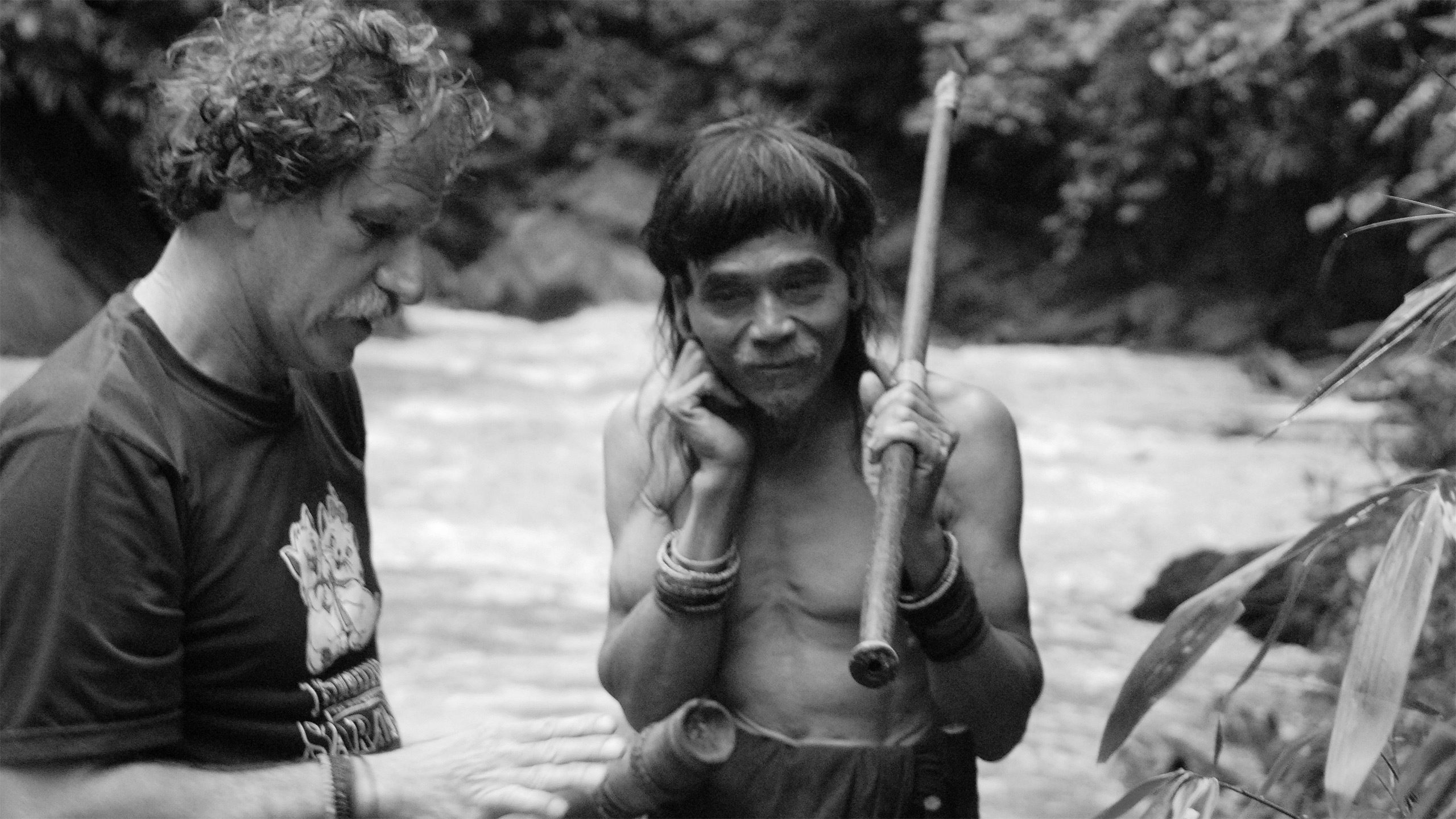
    Pete Brosius brought Penan forest stewardship in Sarawak into court

    NCIJ NETWNCIJ NETWORKBy NCIJ NETWNCIJ NETWORKAugust 22, 2026 Environment No Comments3 Mins Read
    Share
    Facebook Twitter LinkedIn Pinterest Email

    In the early 1990s, the logging roads running through Sarawak’s Upper Baram became the site of a bitter confrontation. Penan families built wooden barricades and faced off bulldozers, timber trucks, and state security forces. As the protests drew international attention, the government of Chief Minister Abdul Taib Mahmud restricted media access and portrayed the Penan as backward people manipulated by foreign activists. International NGOs presented them as forest dwellers engaged in a timeless struggle to protect an untouched Eden. 

    Pete Brosius, an anthropologist who conducted research with the Penan for four decades, spent much of his career complicating both versions. Brosius died on July 29th at 72.

    He had already spent years in Sarawak by the time the logging conflict attracted international attention. His research showed that Penan responses to logging varied substantially between communities. Some resisted through blockades. Others negotiated or sought compensation and employment.

    For Brosius, those differences reflected distinct histories and relationships. Penan people were making their own decisions under difficult circumstances, rather than simply following the direction of foreign activists.

    That argument put him at odds not only with the Sarawak government and timber interests, but also at times with environmental campaigners.

    In a series of papers, Brosius examined how international campaigns changed the way Penan culture and environmental knowledge were described. Complex local disputes over land and political power could become simpler stories designed for audiences in Europe and North America.

    Brosius argued that this could come at a cost. If Indigenous people were presented as living outside markets or modern politics, their claims could become easier to dismiss.

    Pete Brosius. Courtesy of UGA.

    His work in Sarawak eventually carried consequences far outside academia. For decades, the legal recognition of customary land in Sarawak favored communities that could point to land cleared for agriculture. That framework presented a fundamental obstacle for nomadic and semi-nomadic Penan, whose customary use left the forest standing.

    Since the early 1980s, Brosius had been assembling detailed records of that use, compiling genealogies, maps, linguistic notes, photographs, and family migration histories. Central to this was the practice of molong—roughly meaning to preserve or foster. Penan families managed specific stands of wild sago, fruit trees, and boat timber across generations, harvesting mature trunks while leaving younger shoots to grow. 

    When Brosius testified as an expert witness in a 2012 Native Customary Rights case involving the community of Long Jaik, he used those decades of documentation to refute the claim that Penan simply wandered through unmanaged wilderness. The court accepted that molong represented an active, structured system of historical stewardship, establishing a legal precedent for Penan customary land claims.

    Yet by then most primary dipterocarp forests were degraded by logging, cleared for oil palm and timber plantations, or inundated by dams. Even with legal breakthroughs, customary land claims across the interior remained contested.

    In the summer before he died, Brosius returned to Sarawak, spending several weeks mapping ancestral areas alongside Penan families, just as he had forty years earlier.

    Header image: Pete Brosius. From his Facebook


    Brosius brought court Forest Penan Pete Sarawak stewardship
    NCIJ NETWNCIJ NETWORK
    • Website

    Keep Reading

    World Octopus Day: new discoveries about the world’s smartest invertebrates

    Wildlife Populations Have Plunged Globally, But Some Buck the Trend

    Pentagon says execution of Fort Hood shooter will be livestreamed | Pete Hegseth

    NFL Joins Prediction Markets Fight in Filing with US Supreme Court

    Counterfeit seeds threaten African farmers’ crops and climate resilience: Study

    BBC Inside Science – The future of mathematics in the age of AI

    Add A Comment
    Leave A Reply Cancel Reply

    Editors Picks

    ThreatsDay: Ransomware Affiliate Betrayal, WhatsApp RAT, Exposed Hacker Tools and 12 More Stories

    October 9, 2026

    Cantor Faces Senate Scrutiny Over Tether, Lutnick Ties

    October 9, 2026

    Scientists found Homo erectus 200,000 years earlier than expected

    October 9, 2026

    French Protests: What History Can Tell Us About France’s Unrest

    October 9, 2026
    Latest Posts

    Wisconsin’s partisan primary election is Tuesday. Learn more about who’s on your ballot.

    August 10, 2026

    Gabon ends fisheries partnership agreement with EU

    August 10, 2026

    Science backs calls for limiting screens in schools

    August 10, 2026

    Subscribe to News

    Get the latest sports news from NewsSite about world, sports and politics.

    NCIJ Network is an independent digital news platform delivering trusted investigative journalism, European and global news, in-depth analysis, and fact-based reporting with accuracy, transparency, and integrity.

    Facebook X (Twitter) Instagram Pinterest YouTube

    ThreatsDay: Ransomware Affiliate Betrayal, WhatsApp RAT, Exposed Hacker Tools and 12 More Stories

    October 9, 2026

    Cantor Faces Senate Scrutiny Over Tether, Lutnick Ties

    October 9, 2026

    Scientists found Homo erectus 200,000 years earlier than expected

    October 9, 2026

    Subscribe to Updates

    Get the latest creative news from FooBar about art, design and business.

    Type above and press Enter to search. Press Esc to cancel.