


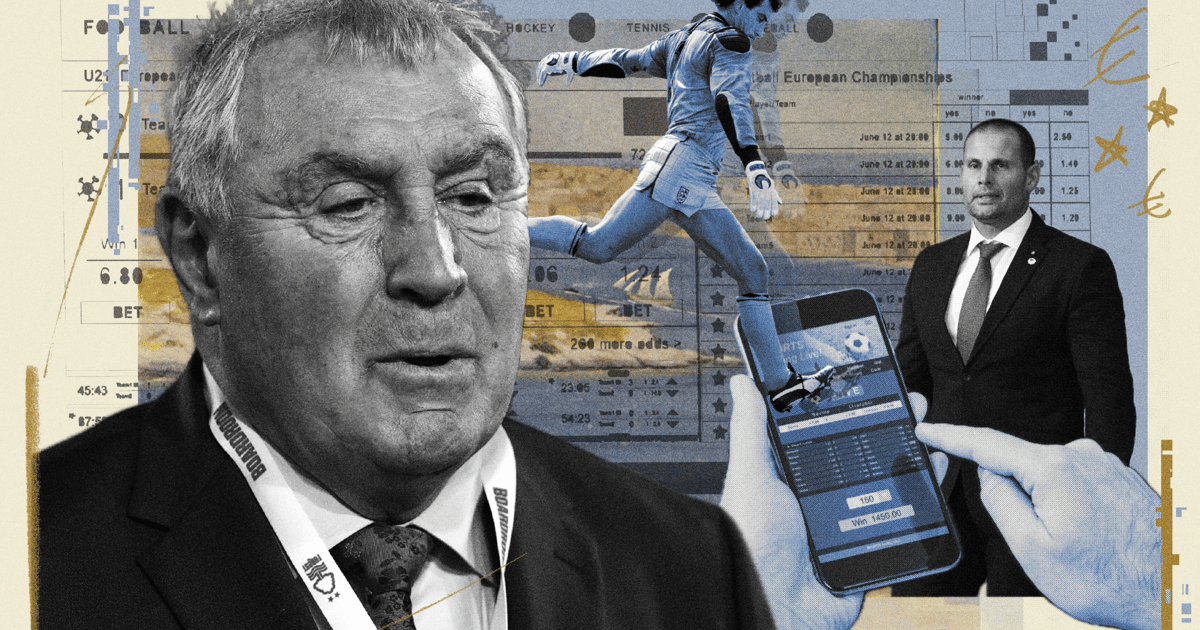
But the campaign has run into strong opposition from Malta. The tiny island in the Mediterranean Sea, with a population of just over half a million people, is home to a burgeoning betting sector. It says that higher taxes will cripple its gambling industry, boost illegal operators and drive firms outside the bloc.
“[Malta] will not accept the introduction of any EU-level taxes designed to sustain the bloc’s spending,” the country’s Prime Minister, Robert Abela, told the Maltese Parliament in June.
But Shilton, who lost more than £1 million in betting on horse racing over 45 years and now runs his own gambling addiction charity, dismisses the arguments by Malta and the gambling lobbies as “window dressing.” He’s in favor of higher taxes as he wants to shrink advertising revenue that is used to lure in new gamblers.
“Deep down they’re after everybody’s money. Simple as that,” he told POLITICO during a visit to Brussels in June.
The topic has split the EU’s 27 governments, pitting gambling-heavy Southern European countries against their more supportive Western European peers, led by France. Capitals are already fighting even though the Commission hasn’t yet issued a formal proposal for the possible tax, which would ultimately need to be unanimously approved by governments.
It’s one of numerous budget battle lines being drawn, with Ireland — which is steering the talks as chair of the rotating Council presidency — set to restart negotiations to facilitate an overall deal on the EU budget before the end of the year.
