


- Climate change and rising sea levels are driving salt water intrusion into drinking water sources in coastal Bangladesh, which research links to an increased risk of preeclampsia, a leading cause of maternal mortality.
- Rural communities lack adequate freshwater infrastructure, which means pregnant women are often forced to consume saline water, making them particularly vulnerable to the life-threatening effects of excessive sodium intake.
- To address this hidden health crisis and prevent further maternal deaths, Bangladesh’s government and partner organizations must take urgent action by subsidizing household rainwater harvesting tanks for the most vulnerable coastal families.
- Since this article is a commentary, the views expressed are those of the author and do not necessarily reflect those of Mongabay.
Hypertensive or high blood pressure disorders are among the leading causes of maternal deaths in low-income countries. A pregnancy complication known as preeclampsia, a hypertensive disorder, is listed among the top five causes of maternal deaths in Bangladesh. For expectant women with preeclampsia, timely treatment is required; otherwise, it can lead to issues such as elevated liver enzymes, low platelet count syndrome, hepatic failure, coma or loss of life.The Sustainable Development Goals adopted by the U.N. set an ambitious target to reduce the maternal mortality rate to less than 70 per 100,000 live births by the end of 2030. While many developed nations have already achieved the U.N. target, low- and middle-income countries are yet to achieve these goals. In Bangladesh, the maternal mortality rate is 196 per 100,000 live births and rates remain significantly higher in the neighboring countries .
A recent study reported an association between hypertension, preeclampsia and high-salinity drinking water. The same study argues that, in Bangladesh, preeclampsia is associated with high-salt drinking water. Epidemiological evidence links high salt intake to hypertension in both adults and children.
The scarcity of safe drinking water has become a serious global issue due to agricultural expansion, sea level rise caused by global warming and population growth. The IPCC, in its sixth Assessment Report (AR6), stated that climate change affects water availability and water quality. Globally, around 4 billion people face water scarcity for at least one month each year. Storm surges and rising sea levels make it easier for saltwater to enter surface and underground water, especially in low-lying delta areas affecting sources of drinking water.
Nature and magnitude of the problem
Surface and subsurface water bodies contain saline water, increasing the threat of safe drinking water scarcity in low-lying regions of Bangladesh. Coastal populations are exposed to sea level rise, storm surges and other factors that increase salinity in drinking water. Around 42 million people live in coastal regions and freshwater availability is decreasing, particularly in the southwest of Bangladesh.Climate change poses the greatest threat to the southwest region, including sea-level rise, storm surges and less freshwater flow from upstream, which all cause saltwater intrusion into surface and subsurface water bodies. Excessive salinity affects half of the coastal area of 47,200 square kilometers (18,224 square miles) and its reach is expanding.Anthropogenic factors, including shrimp farming and poorly planned infrastructure, are also responsible for this rapid expansion. These activities pose serious challenges to drinking water supply and irrigation. The situation has led to dependency on saline or untreated water, which causes health problems. The most affected populations are women, children and the elderly owing to the current water crisis in the coastal regions of Bangladesh.
Bangladesh has made remarkable progress in reducing maternal mortality in the last two decades. Improved primary care services, including community clinics, are primarily behind this success, but progress has since stalled. There are several factors responsible for higher maternal deaths in the coastal regions, such as a lack of primary care physicians, transport delays, decision-making delays and economic constraints.
Preeclampsia is one of the most common causes of maternal death, although there is a decline in its prevalence worldwide. A study from 2025 recorded that hypertensive disorders caused 16% of global maternal deaths between 2009 and 2020. In India, Pakistan and Nepal, eclampsia represents between 2%and 10% of maternal deaths, according to data from clinical and hospital environments.A study conducted in Bangladesh and published in 2021 found 14.4% preeclampsia prevalence, which is comparable to neighboring countries. An earlier study conducted in a coastal region found that 202 (16.7%) women were diagnosed with preeclampsia and gestational hypertension out of 1208. According to Bangladesh Maternal Mortality and Health Care Surveys, the preeclampsia-specific maternal mortality rate declined from 70 per 100,000 live births in 2001 to 40 in 2010 and increased slightly to 46 in 2016, but it remains a concern. Researchers continue to uncover the risk factors associated with preeclampsia, as the full mechanisms of the disease remain unclear. However, there are several factors related to preeclampsia, including smoking, alcohol consumption, obesity, family history and chronic hypertension. Additionally, minerals and micronutrients are also considered risk factors in preeclampsia. One recent study identified that iron deficiency, low magnesium and selenium may also be associated with preeclampsia.

Saline water contains high amounts of dissolved salts such as sodium chloride (NaCl). Even though sodium is necessary for human health, excessive consumption has negative health effects. Adverse health effects related to high salt consumption have negative effects on pregnant women, children and adults.
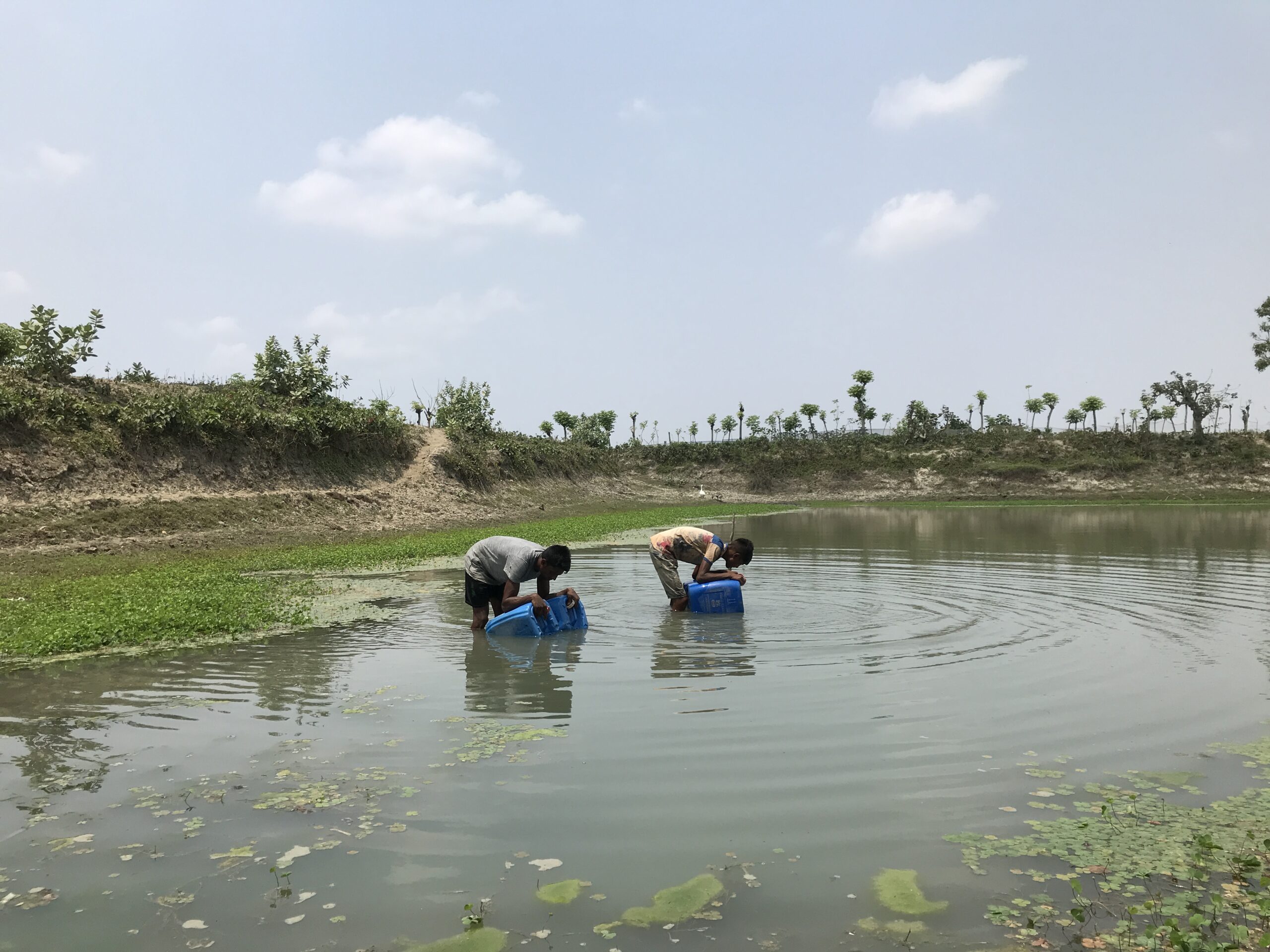
The subsurface water, which is used by the rural coastal communities, is often filled with saline, exposing them to health issues such as diarrhea, vomiting, skin irritation and preeclampsia. During the monsoon season, most households rely on rainwater for drinking and cooking. However, many households drink unsafe pond water because their water tanks have limited storage capacity during the rest of the seasons.Much of Bangladesh’s coastal population falls into the lower-income class with a higher average poverty rate (39%) compared to the national average (31.5%). Household occupations are diverse, including agriculture, day labor, fishing and so on. The school dropout rate is higher at the secondary level compared to the primary in the region. The dropout rate is expedited by several factors, including the cost of education and child marriage. As a result, many women have limited knowledge about the causes and warning signs of pregnancy-related complications.
Priority action steps
There is limited research using national health data on how many women died during pregnancy owing to preeclampsia in coastal Bangladesh. The close coordination of government, non-governmental organizations and other stakeholders is necessary to prioritize the task of reducing maternal deaths related to preeclampsia. It will be difficult to achieve the targets set by the UN without a proper set of goals led by the government agency. One limitation is that government hospitals record only limited patient health information online. The ministry of health and family welfare should improve data recording in the next five years. First of all, using the information at hand, the ministry should prepare a thorough report and set priority actions for the coastal region. Research indicates that excessive salt intake from saline drinking water may contribute to elevated risks of preeclampsia. Only a few technologies provide safe drinking water in the region. Examples of these technologies include desalination plants, pond-sand filters and rainwater harvesting systems. Among them, the rainwater harvesting system is the ancient and most effective technology that provides safe drinking water at the household level. Pond sand filters also produce safe water at the community level. Desalination plants are expensive and communities cannot afford them on their own. Therefore, the following action should be prioritized:

The government should provide subsidies to families to purchase water storage tanks with a capacity of between 500 and 1,000 liters for reliable water sources, such as rainwater harvesting systems.
The immediate target beneficiaries should be 5% of the coastal population (2.1 million people), with priority given to the most vulnerable households in low-income and highly saline-affected communities and the support of basic technical guidance.
This intervention aligns with the government of Bangladesh’s plans and strategies, such as the Bangladesh Delta Plan 2100, the National Strategy for Water Supply and Sanitation 2021 and the National Adaptation Plan (2023–2050). The government should also collaborate with organizations such as BRAC, WaterAid Bangladesh and U.N. agencies to reduce maternal mortality linked to preeclampsia and enhance safe drinking water access in coastal areas. The scarcity of safe drinking water poses a serious threat to human health in coastal areas. It not only affects pregnant women, but also children and the elderly. However, pregnant women are more susceptible to the effects of excessive sodium intake from saline water. Accelerated and urgent government action is required to support household water tank programs that ensure safe and clean drinking water storage for poor households and improve water access in the most affected regions of Bangladesh.
Ashik Rubaiyat is affiliated with the Center for International Studies at Ohio University, USA. He can be reached at [email protected].
Banner image:People living in Dacope sub-district of Khulna district in southwest Bangladesh collect water from a pond for household chores. Photo: Abu Siddique/Mongabay
Citations:
Ahmed, A., Drake, F., Nawaz, R., & Woulds, C. (2018). Where is the coast? Monitoring coastal land dynamics in Bangladesh: An integrated management approach using GIS and remote sensing techniques. Ocean & Coastal Management, 151, 10–24. doi: 10.1016/j.ocecoaman.2017.10.030
Akter, S. (2019). Impact of drinking water salinity on children’s education: Empirical evidence from coastal Bangladesh. Science of the Total Environment, 690, 1331–1341. doi:10.1016/j.scitotenv.2019.06.458
Amin, M. N., Hossain, M. A., Islam, M. R., Mondal, S., & Ali, M. H. (2025). The health impact of climate change on the women in reproductive age: A study of coastal communities in Satkhira, Bangladesh. Frontiers in Public Health, 13, Article 1560498. doi:10.3389/fpubh.2025.1560498
Cresswell, J. A., Alexander, M., Chong, M. Y. C., Link, H., Pejchinovska, M., Gazeley, U., et al. (2025). Global and regional causes of maternal deaths 2009–20: A WHO systematic analysis. The Lancet Global Health. doi:10.1016/S2214-109X(24)00560-6
Hossain, A. T., Siddique, A. B., Jabeen, S., Khan, S., Haider, M. M., Ameen, S., Tahsina, T., Chakraborty, N., Nahar, Q., Jamil, K., Arifeen, S. E., & Rahman, A. E. (2023). Maternal mortality in Bangladesh: Who, when, why, and where? A national survey-based analysis. Journal of Global Health, 13. doi:10.7189/jogh.13.07002
Hossain, M. L., & Li, J. (2024). Salinity challenges and adaptive strategies in salinization-affected coastal Bangladesh: Implications for agricultural sustainability and water resource management. Environmental Research Letters, 19. doi:10.1088/1748-9326/ad7edb
Hossain, M. L., Shapna, K. J., Rubaiyat, A., Kabir, M. H., Baidya, R., Li, J., & Lai, D. Y. F. (2026). Navigating water scarcity: Salinization, well-being, and climate resilience in coastal communities of Bangladesh. Advances in Global Change Research, 303–332. doi:10.1007/978-3-032-25479-5_14
Khan, A. E., Scheelbeek, P. F. D., Shilpi, A. B., Chan, Q., Mojumder, S. K., Rahman, A., Haines, A., & Vineis, P. (2014). Salinity in drinking water and the risk of (pre)eclampsia and gestational hypertension in coastal Bangladesh: A case-control study. PLoS ONE, 9(9), e108715. doi:10.1371/journal.pone.0108715
Khan, S., Siddique, A. B., Jabeen, S., Hossain, A. T., Haider, M. M., Zohora, F. T., Rahman, M. M., El Arifeen, S., Rahman, A. E., & Jamil, K. (2023). Preeclampsia and eclampsia-specific maternal mortality in Bangladesh: Levels, trends, timing, and care-seeking practices. Journal of Global Health, 13. doi:10.7189/jogh.13.07003
Mou, A. D., Barman, Z., Hasan, M., Miah, R., Hafsa, J. M., Trisha, A. D., & Ali, N. (2021). Prevalence of preeclampsia and the associated risk factors among pregnant women in Bangladesh. Scientific Reports, 11. doi:10.1038/s41598-021-00839-w
Pinchoff, J., Shamsudduha, M., Hossain, S. M. I., Shohag, A. A. M., & Warren, C. E. (2019). Spatio-temporal patterns of pre-eclampsia and eclampsia in relation to drinking water salinity at the district level in Bangladesh from 2016 to 2018. Population and Environment, 41(3), 235–251. doi:10.1007/s11111-019-00331-8–
Cite this article
Ashik Rubaiyat (2026). How saline drinking water raises preeclampsia risks in coastal Bangladesh (commentary). Mongabay Conservation news. DOI: https://doi.org/10.66709/news-324396

