


Follow ZDNET: Add us as a preferred source on Google.
ZDNET’s key takeaways
- The Googlebook is more about AI than Android compatibility.
- The new operating system will merge Android and ChromeOS.
- Chromebooks will continue to be sold and supported.
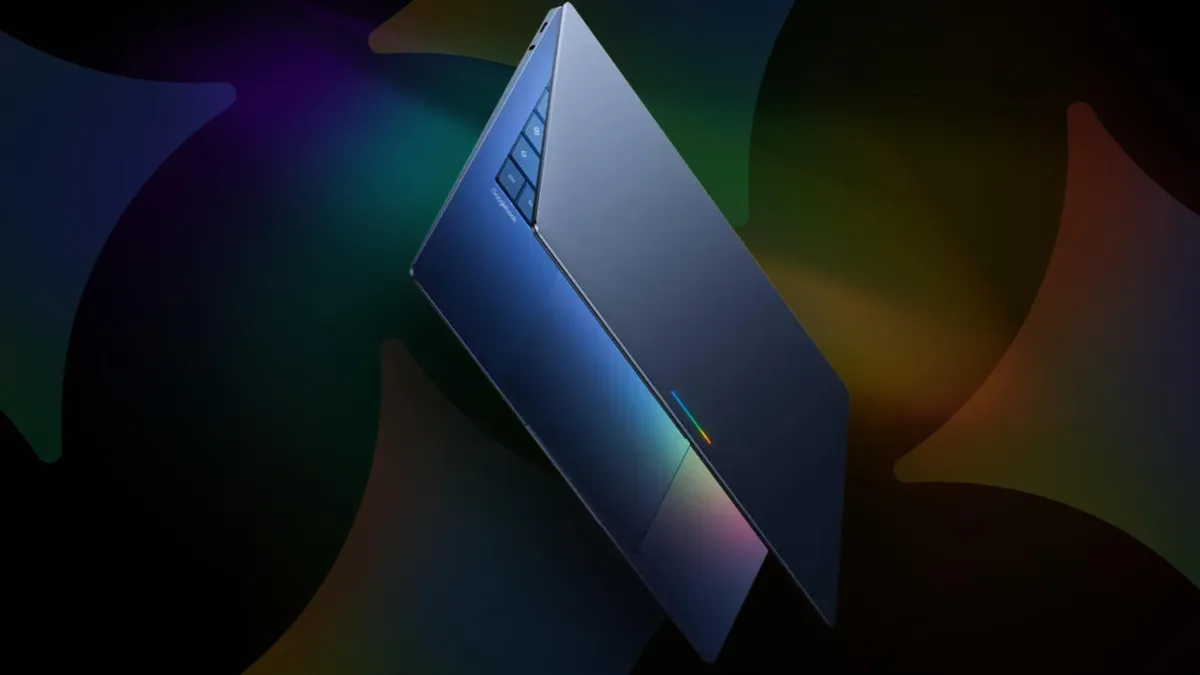
One of the best computers I ever used was Google’s 2015 Chromebook Pixel. In fact, 11 years later, I’m still using it. I’m also still annoyed that Google never released another publicly available model. Recently, Google began its reentry into the laptop market with the Googlebook, with help from HP, Acer, Lenovo, Dell, and Asus.
Also: First look at Googlebook: A premium Chromebook alternative for Android users
This release, however, won’t be a high-end Chromebook like the Pixel. Instead, it’s the latest manifestation of Google’s plan to converge Android and ChromeOS. This scheme has been in the works — I kid you not — since 2009. We now think (fingers crossed) that the Googlebook will make their pairing work sometime in September.
This new premium laptop category will combine Android’s application ecosystem with ChromeOS’s browser strengths and put Gemini AI at the machine’s heart. If this sounds to you like Microsoft’s Copilot+ PCs, you’re right — it does. Google can only hope it will sell better than Microsoft’s AI-first laptops have so far.
Googlebook plans
Google calls Googlebook “the next generation of ChromeOS,” built with parts of the Android stack to give applications “laptop-class” behavior and native-level performance.
This new combo operating system is known as Aluminum OS. Reportedly, this Linux-based operating system will combine ChromeOS and Android. What we don’t have, though, is much in the way of details about how Aluminum will work.
The key public promise is that Googlebook with Aluminum will combine Android apps and Chrome with Android phone integration. Googlebook users will be able to work across phones and laptops without manually shifting gears between phones, tablets, and laptops. For example, Quick Access should enable you to browse, search, and insert files stored on a phone directly from the laptop file browser, without transfers. This, or so fans insist, will make this new technology competitive with Apple’s Mac, iPhone, and iPad family.
Also: Chromebook vs. Googlebook: How I’m deciding which laptop to upgrade to next
We also still don’t know what the Googlebook’s processors, memory configurations, storage tiers, or prices will look like. There have been leaks from Googlebook original equipment manufacturers (OEMs) such as HP, Acer, and Lenovo, but the nuts and bolts are still a mystery.
Put all the leaks together, and it looks like Googlebook will launch as a premium, multi-form-factor laptop line. These won’t replace the low-cost Chromebook tier we all know. The strongest claimed configuration is Acer’s 14-inch OLED system at roughly $1,200, while Lenovo’s detachable Duet M points to a 13-inch MediaTek-powered option. Asus and HP leaks chiefly reveal design and continuity software rather than core specifications. All remain unconfirmed pending Google and OEM announcements.
Gemini becomes the interface
The company’s most consequential design decision may be to treat Gemini not as an optional chatbot but as a system-level interaction layer. Its flagship example is Magic Pointer. This feature activates when you “wiggle” the cursor and offers contextual Gemini suggestions based on the content under the pointer. Google says this could include turning a date in an email into a calendar event or combining selected images to visualize a piece of furniture in a room.
Also: Googlebook looks promising, but one big laptop brand is conspicuously absent
A second feature, Create Your Widget, will let people generate custom desktop widgets through prompts. Google says Gemini can search the web or connect to Google services such as Gmail and Calendar to assemble a personalized desktop dashboard — for instance, displaying travel information, reservations, and a countdown for an upcoming trip.
Those features. make Googlebook a test of whether a vendor can turn generative AI from an application into an operating-system-level convenience without adding complexity, privacy concerns, or unwanted automation. Google has not yet detailed the local-versus-cloud processing model for these Gemini functions, the data-retention policy for screen context, or which capabilities will require paid AI subscriptions.
Android app compatibility
Google’s developer materials point to an Android-first application strategy rather than simply continuing the Chromebook model of running Android apps alongside web software. Existing Android applications will run on Googlebook, Google says, while developers are being encouraged to adapt them for keyboard, mouse, trackpad, stylus, and game-controller input; file handling and printing; custom cursors; drag-and-drop; resizable windows; and multiple simultaneous app instances.
Also: Google’s AI can see your business data by default in Workspace – unless you disable it
That development push matters because Android’s historical advantage — its large mobile app catalog — does not automatically translate into high-quality laptop software. Googlebook’s credibility will hinge on whether familiar Android titles can feel native in long-form, multiwindow desktop work rather than merely functional on a large display.
Where Aluminum OS fits
“Aluminum OS” is widely reported as the internal name for the platform unifying Android and ChromeOS, but Google hasn’t used it in its announcements. Google’s public language instead refers to Googlebook as the “next generation of ChromeOS” and says it is built with parts of the Android stack.
Also: This free Android assistant fixes my biggest Gemini frustration – and keeps my data private
That distinction is important. Googlebook is the market-facing laptop category; Aluminum OS appears to be the project or codename associated with the Android-and-ChromeOS convergence underneath it. Reporting on the codename has described it as an Android-based desktop platform, but Google has yet to provide a full architectural account of what remains from ChromeOS, whether the ChromeOS brand will persist, or whether and how existing Chromebooks could migrate.
Looking ahead
Personally, I’m sure both Chromebooks and Googlebooks will continue. It makes sense. Chromebooks are great for students and people like me, who need an inexpensive laptop for web-based work that can also double as a Linux laptop. Googlebooks will be for people who are willing to pay real money for an AI-first laptop.
Also: 5 ways I speed up my Android phone beyond clearing system cache – all for free
For now, Googlebook represents a strategic attempt to give AI a serious laptop form factor. The unanswered questions — Android interoperability, device pricing, offline and Linux capabilities, enterprise management, update policy, ChromeOS migration, app quality, and the boundaries of Gemini’s access to user data — will determine whether Google has created a true Chromebook successor or simply a more AI-forward, Android-oriented laptop.
