


The attempted attack in August involved three drones carrying explosive material spotted at or near the Leipzig-Halle Airport in eastern Germany, including one drone that was found near a Ukrainian Antonov plane used to transport munitions.
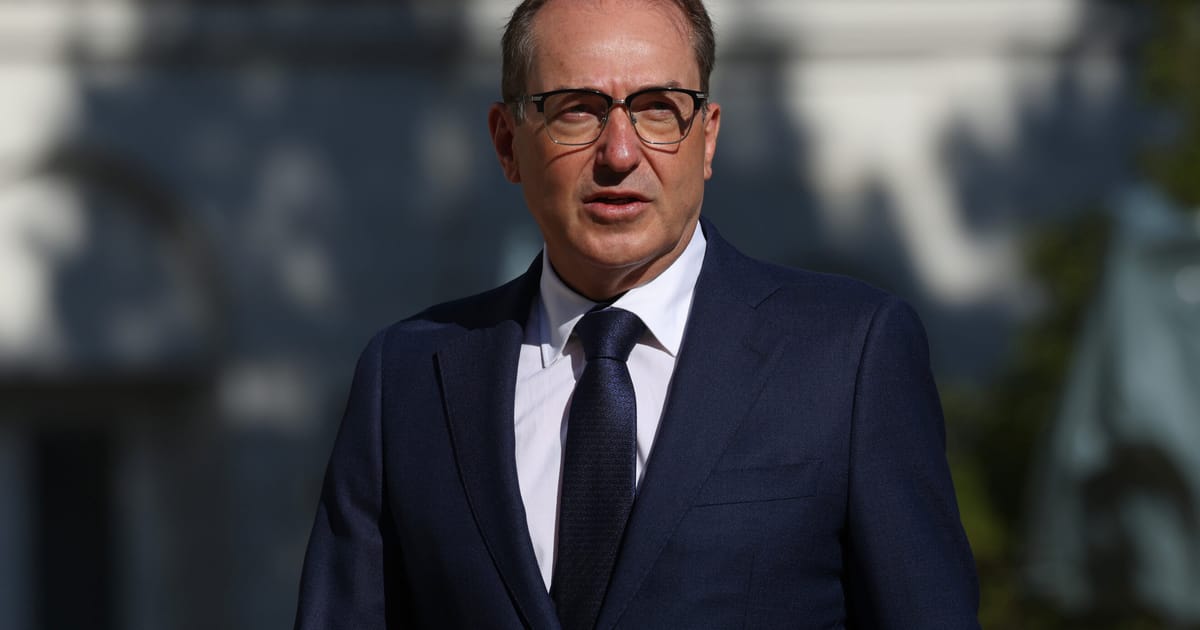
Standing alongside Wadephul, German Interior Minister Alexander Dobrindt said the German government determined Russia is responsible even as investigations remain ongoing.
“The attack involved tools such as the drone configuration, various components, explosives and cyber technology that we recognize from other Russian hybrid operations and its war against Ukraine,” Dobrindt said.
Wadephul announced a series of domestic countermeasures, including the closure of Russia’s Bonn consulate on September 18, stricter entry controls for Russian nationals and the termination of the agreement governing the Russian House in central Berlin — a cultural institution suspected of serving as a hub for espionage operations and whose Russian operator is under EU sanctions.
Germany will also propose new EU sanctions targeting Russian individuals connected to hybrid attacks, while pushing to increase measures targeting Russia’s shadow fleet, Wadephul said. A senior German government official also said Berlin would advocate that the EU reduce the number of 90-day tourist visas issued to Russian citizens and restrict the freedom of movement of Russian diplomats.
The announcement comes as EU foreign ministers are set to meet in Ireland on Tuesday night and Wednesday. “The matter, including additional sanctions, will be prepared by Foreign Ministers at their upcoming meeting,” European Commission President Ursula von der Leyen wrote on social media after the German announcement.
