

Close Menu
NCIJ Network NCIJ Network
    What's Hot

    18-Year-Old Linux SCTP Flaw Could Let Local Users Gain Root and Escape Containers

    August 9, 2026

    Bitcoin, XRP, Solana and Tron beat Ethereum and Cardano every month since 2022 on investor buying

    August 9, 2026

    Texas city planned to build data center. Then residents sued

    August 8, 2026
    Facebook X (Twitter) Instagram
    Trending
    • 18-Year-Old Linux SCTP Flaw Could Let Local Users Gain Root and Escape Containers
    • Bitcoin, XRP, Solana and Tron beat Ethereum and Cardano every month since 2022 on investor buying
    • Texas city planned to build data center. Then residents sued
    • Brandon Clarke: Memphis Grizzlies forward death due to effects of drug use
    • Max Miller, Republican Accused of Abuse, Won’t Drop Out, Spokeswoman Says
    • Ted Lasso is still my favorite feel-good show
    • Growing Up The Hard Way
    • Bitcoin’s BIP110 Moment: Three Possible Scenarios
    • About
      • Our Team
      • Editorial Policy
      • Editorial Independence
      • International Support
    • Trust & Standards
      • AI Usage Policy
      • Conflict of Interest Policy
      • Corrections Policy
      • Ethics Policy
      • Fact-Checking Policy
      • Source Protection
    • Get Involved
      • Guide for Sources
      • Support Independent Journalism
    • Legal
      • Cookie Policy
      • Privacy Policy
      • Terms of Use
    Facebook X (Twitter) Instagram
    NCIJ Network NCIJ Network
    Sunday, August 9
    • Home
    • World
    • Ai
    • Business
    • Politics
    • Health
    • Crypto
    • Science
    • Technology
    • Cybersecurity
    • Defense & Security
    • Economy
    • Energy
    • Europe
    • More
      • Fact Check
      • Investigations
      • Opinion & Analysis
      • Environment
    NCIJ Network NCIJ Network
    Home»Science

    A protein older than blood circulation could transform cancer immunotherapy

    NCIJ NETWNCIJ NETWORKBy NCIJ NETWNCIJ NETWORKAugust 8, 2026 Science No Comments4 Mins Read
    Share
    Facebook Twitter LinkedIn Pinterest Email

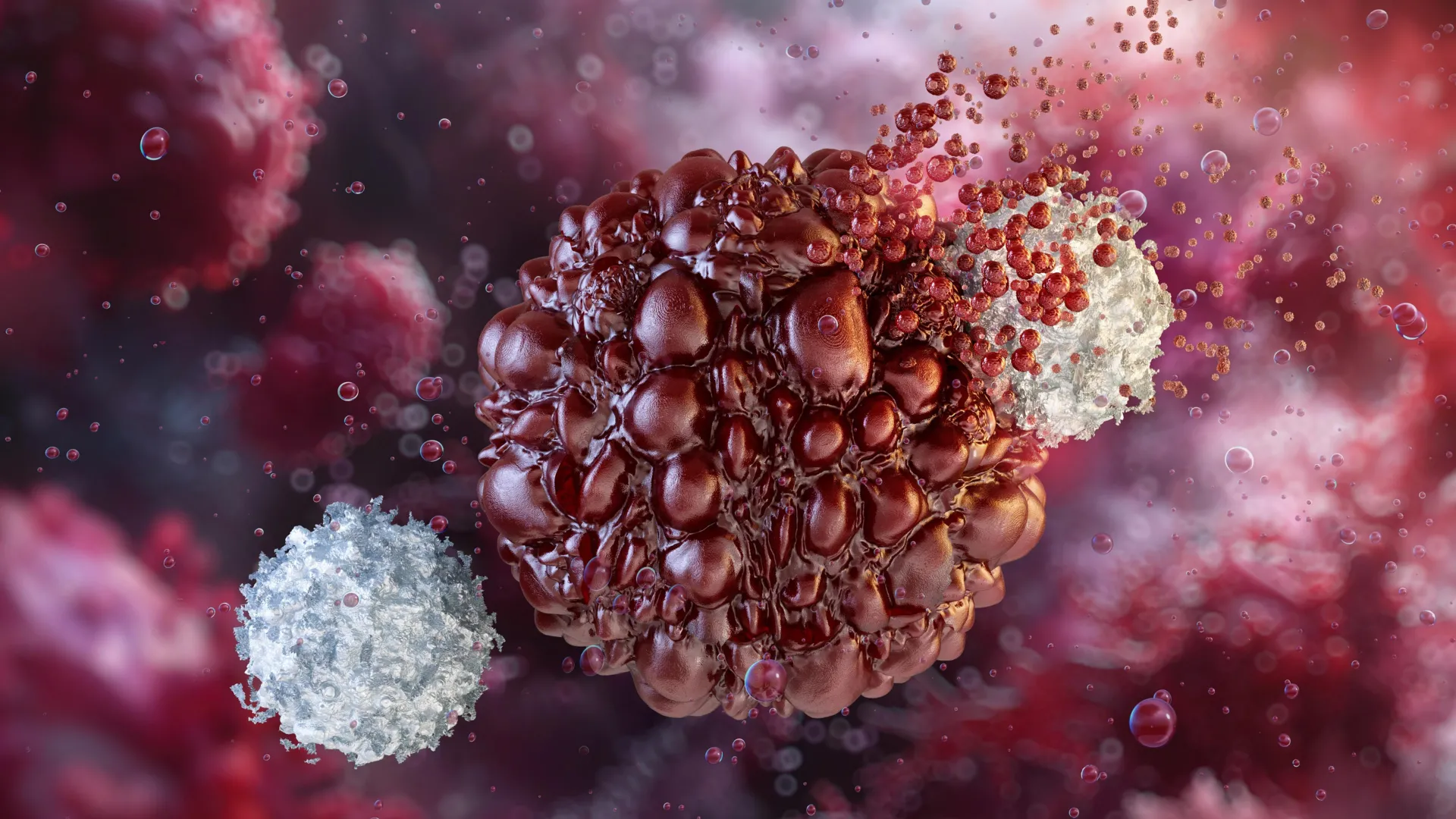
    An immune molecule that appeared in evolution long before blood circulation may help improve cancer immunotherapy. Scientists at Nagoya University in Japan discovered that complement C3 can prevent immune-suppressing cells from building up inside tumors, but only when the protein is produced locally within the tumor. C3 traveling through the bloodstream did not influence how well treatment worked.

    The findings, published in Nature Communications, suggest that reproducing this local effect could benefit patients whose tumors do not produce enough C3 naturally.

    An Ancient Part of the Immune System

    C3 is an evolutionarily ancient protein found even in simple animals such as sponges and jellyfish. Most C3 is made in the liver and released into the bloodstream, where it helps the immune system defend the body against infections.

    Scientists know much less about what C3 does when it is produced directly inside tissues and organs.

    “Cancer tumors are surrounded by normal cells called fibroblasts. Until now, the role of complement C3 produced by these cancer-associated fibroblasts within tumor tissue was not known,” said lead author Yuki Miyai, assistant professor at the Graduate School of Medicine, Nagoya University.

    Local C3 Helps the Immune System Reach Tumors

    The researchers found that C3 made within tumor tissue prevents immunosuppressive myeloid cells from entering the tumor microenvironment. These cells can weaken the body’s ability to attack cancer. By keeping them out, locally produced C3 gives the immune system a better opportunity to recognize and fight tumor cells.

    The results point to C3 as an important regulator of cancer immunotherapy, a form of treatment that helps the immune system identify and attack cancer cells.

    To determine whether C3 in the bloodstream also affected immunotherapy, the team conducted experiments in mice that allowed them to distinguish between C3 from different sources.

    When the amount of liver-produced C3 was reduced by 90%, an immunotherapy drug (anti-PD-1 antibody) remained just as effective as it was in mice with normal C3 levels.

    The outcome changed when researchers stopped fibroblasts inside the tumor from producing C3. Under those conditions, the same treatment became less effective, even though the amount of circulating C3 fell by only a small amount (a 9% decrease).

    “What determined the efficacy of the immunotherapy treatment was not the C3 in the blood, but the local C3 produced at the tumor site. When this C3 breaks down, it forms a fragment called iC3b that stops harmful myeloid cells from entering the tumor. As a result, immunotherapy is more likely to work,” Miyai explained.

    Overcoming Resistance to Immunotherapy

    The team then investigated whether they could reproduce the effects of C3 in cancers that normally resist immunotherapy. They tested a drug designed to imitate the way C3 blocks myeloid cells from entering tumors.

    This approach allowed immunotherapy to work against tumors that had previously resisted treatment. It also significantly extended survival in mice.

    The findings could eventually help doctors identify which patients are most likely to benefit from immunotherapy. They may also lead to new treatment options for cancers that do not respond at first.

    Lung Cancer Samples Support the Findings

    Researchers also examined tumor samples from patients with lung cancer. Those with higher levels of C3 in the tissue surrounding cancer cells experienced better treatment results and longer survival.

    About half of the patients with high local C3 levels responded to treatment. None of the patients with lower levels responded. As in the mouse studies, C3 levels in the bloodstream were not linked to treatment success.

    Next Steps for Cancer Treatment Research

    The researchers now plan to test ways of increasing C3 levels inside tumors and to determine the most effective timing for treatment.

    They also believe that learning more about the local activity of C3 could improve understanding of other biological processes, including wound healing and the regulation of inflammation.

    blood cancer circulation immunotherapy older protein transform
    NCIJ NETWNCIJ NETWORK
    • Website

    Keep Reading

    Hunter Biden Says His Father’s Cancer Is Worsening

    Scientists reveal how much exercise you really need to protect your heart

    New fuel cell breakthrough could help power energy-hungry data centers

    Meteorite that smashed through a New Jersey roof reveals clues to life’s origins

    Teen cannabis use linked to slower memory and thinking growth

    Sunlight creates quantum entanglement once thought to require lasers

    Add A Comment
    Leave A Reply Cancel Reply

    Editors Picks

    18-Year-Old Linux SCTP Flaw Could Let Local Users Gain Root and Escape Containers

    August 9, 2026

    Bitcoin, XRP, Solana and Tron beat Ethereum and Cardano every month since 2022 on investor buying

    August 9, 2026

    Texas city planned to build data center. Then residents sued

    August 8, 2026

    Brandon Clarke: Memphis Grizzlies forward death due to effects of drug use

    August 8, 2026
    Latest Posts

    With Hopes High for New H.I.V. Prevention Pill, Merck Takes Steps to Ensure Access

    July 24, 2026

    Trump to speak at rescheduled White House Correspondents’ Dinner following failed April shooting

    July 24, 2026

    When is an apology not an apology? When it comes from an AI boss with an out-of-control chatbot | Marina Hyde

    July 24, 2026

    Subscribe to News

    Get the latest sports news from NewsSite about world, sports and politics.

    NCIJ Network is an independent digital news platform delivering trusted investigative journalism, European and global news, in-depth analysis, and fact-based reporting with accuracy, transparency, and integrity.

    Facebook X (Twitter) Instagram Pinterest YouTube

    18-Year-Old Linux SCTP Flaw Could Let Local Users Gain Root and Escape Containers

    August 9, 2026

    Bitcoin, XRP, Solana and Tron beat Ethereum and Cardano every month since 2022 on investor buying

    August 9, 2026

    Texas city planned to build data center. Then residents sued

    August 8, 2026

    Subscribe to Updates

    Get the latest creative news from FooBar about art, design and business.

    Type above and press Enter to search. Press Esc to cancel.