


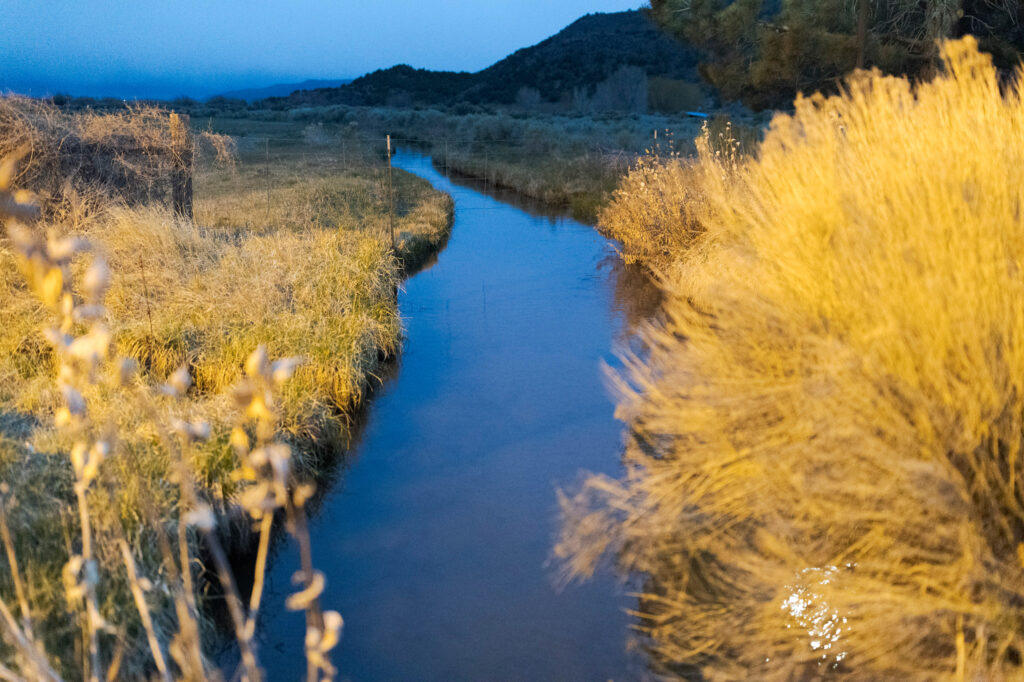
Water regulators and farmers in Colorado’s San Luis Valley are in a lose-lose situation.
Either they adopt a plan to aggressively manage the use of groundwater from their rapidly declining aquifer, likely forcing a contraction of the local agricultural economy, or continue overpumping and further lower the water table, which will likely force mass shutoffs of well water in the future.
“It’s really draconian,” Colorado state Sen. Cleave Simpson, a fourth-generation valley farmer and general manager of the Rio Grande Water Conservation District, said in an interview in March. “I don’t know how my community is going to survive.”
But Simpson sees no other option.
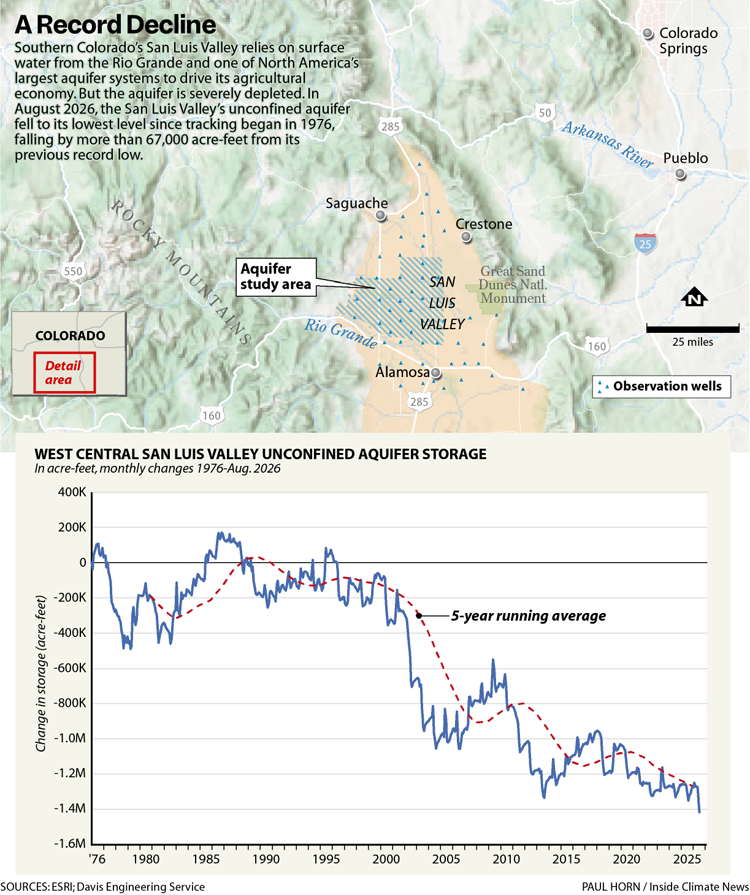
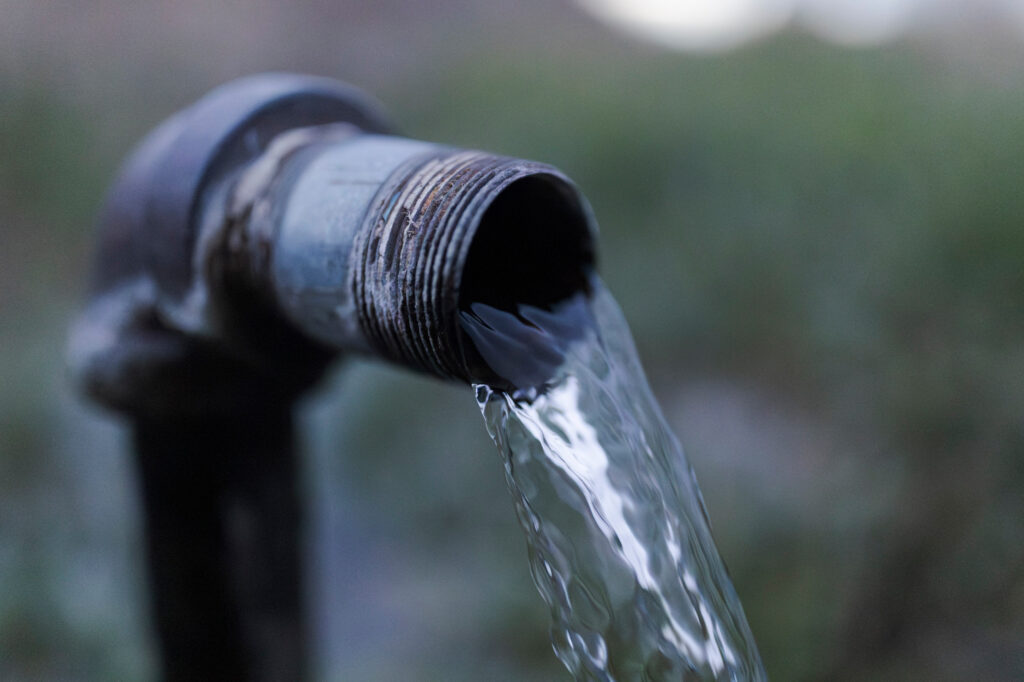
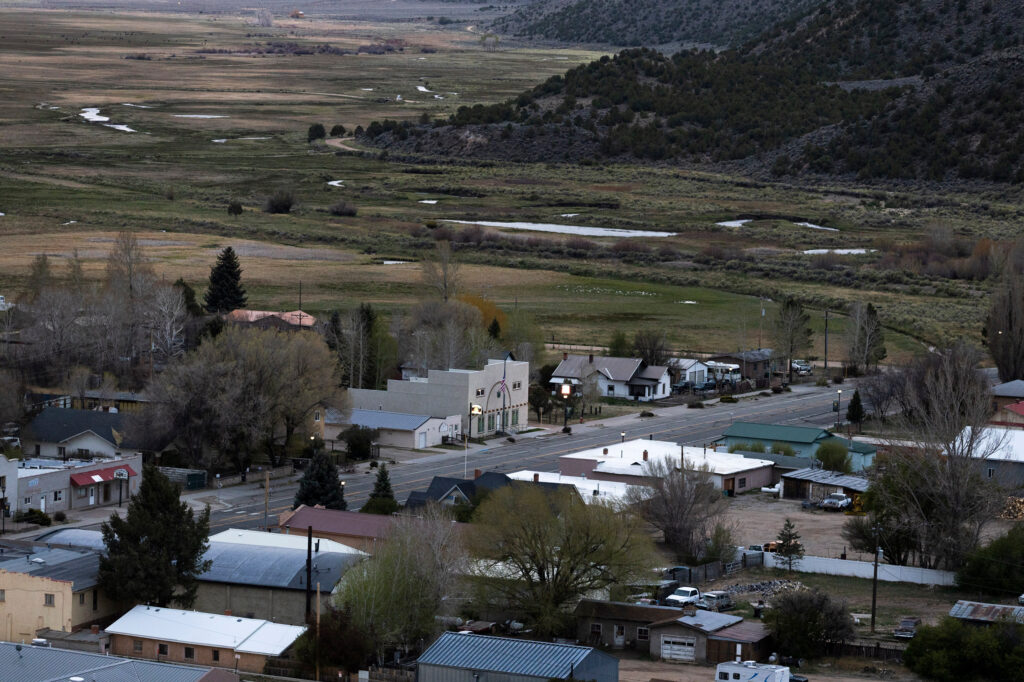
San Luis Valley groundwater provides roughly 800,000 acre-feet of irrigation water annually in the highly productive agricultural region. But after decades of overpumping and persistent drought conditions, the aquifer reached a record low in August.
Simpson estimates the district has spent roughly $100 million over 14 years trying to reduce groundwater pumping, which fell by about one-third over the past decade. Despite those efforts, officials say the aquifer’s long-term storage is getting “worse and worse.”
“Everything we’ve tried to do is failing, just because we don’t have snowpack, we don’t have inflow,” said Simpson.
Now, a proposed groundwater management plan would dramatically increase the fee thousands of well users pay for pumping from the aquifer.
That would deal a blow to the local agricultural industry, with some producers saying the additional cost will put them out of business. But if the region does not meet aquifer restoration goals soon, state engineers can shut down the valley’s wells entirely—a situation that would devastate its economy.
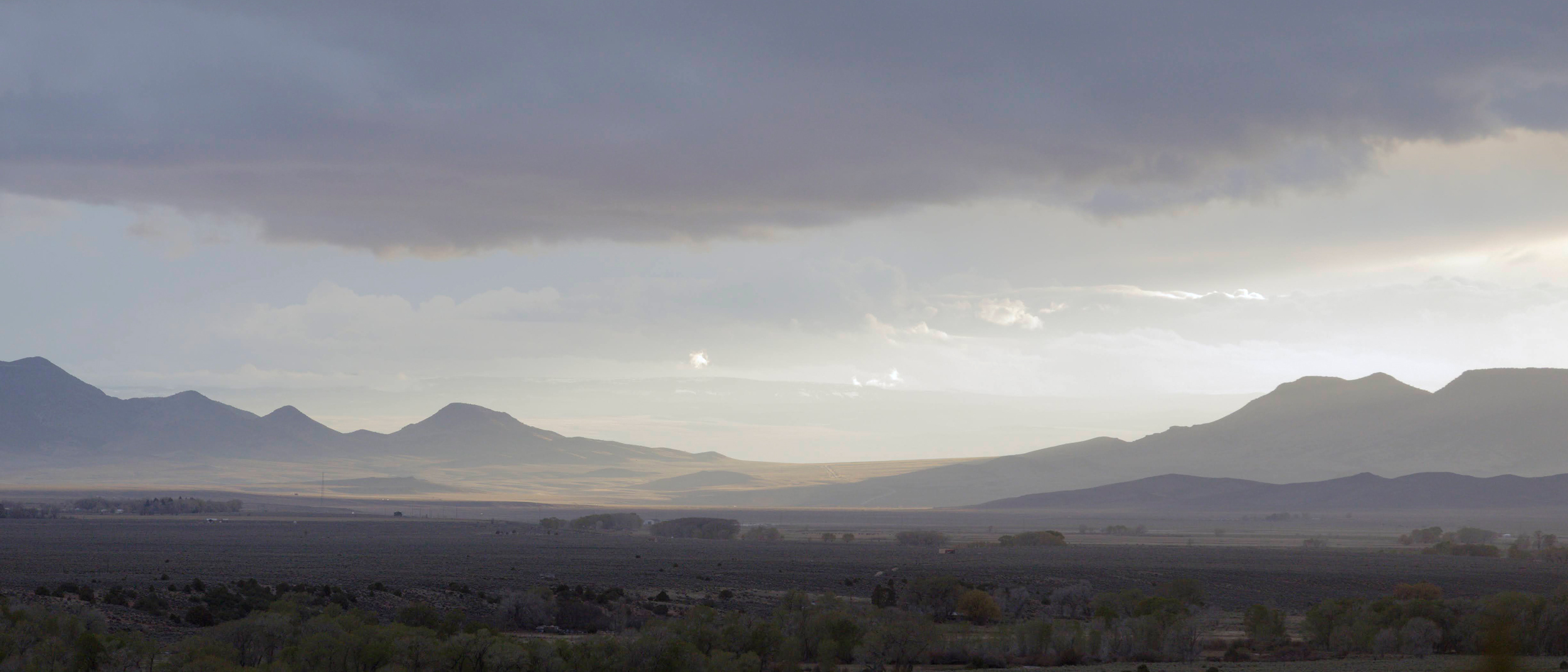
The groundwater plan was the subject of a weeks-long Colorado water court trial this summer, with a ruling expected later this year. Regardless of the outcome, the case is likely to be appealed to the Colorado Supreme Court, Judge Michael Gonzales said.
Water managers, farmers and lawyers largely agree that the aquifer must be brought back to sustainable levels. The case will help determine how that happens and how its economic impacts are distributed.
A Shrinking Supply
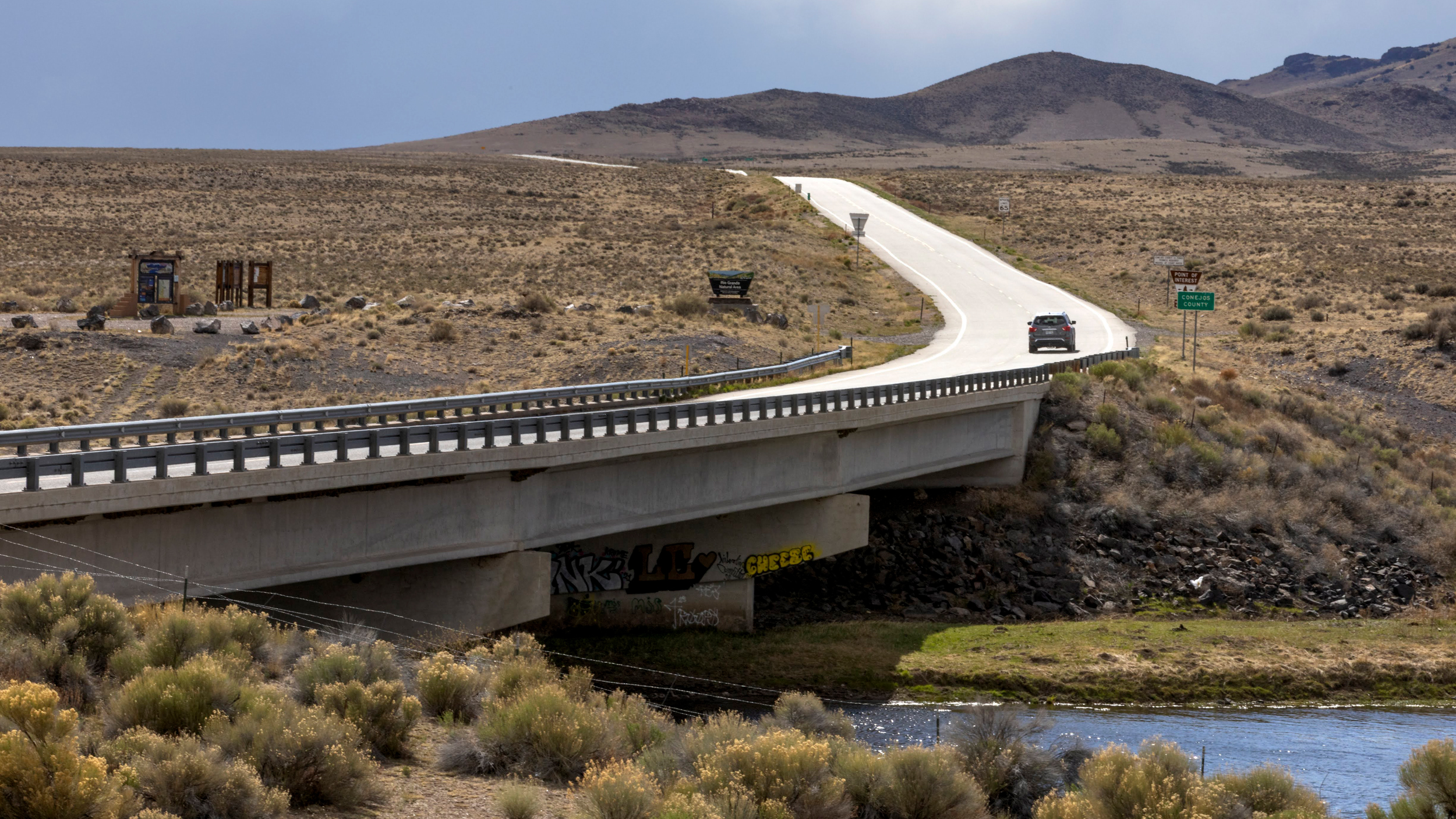
An extensive canal system spreads surface water from the Rio Grande through the valley. But across the river’s headwaters, snowmelt rates decreased by 20 percent per decade from 1984 to 2017, according to the U.S. Geological Survey.
Fourth-generation farmer Michael Jones has seen that firsthand. When his grandfather was farming in the valley, their irrigation ditch had a flow until sometime in September. “We’re lucky to even get water into July now on our ditch systems,” said Jones. “And that’s in my lifetime I’ve seen that change.”
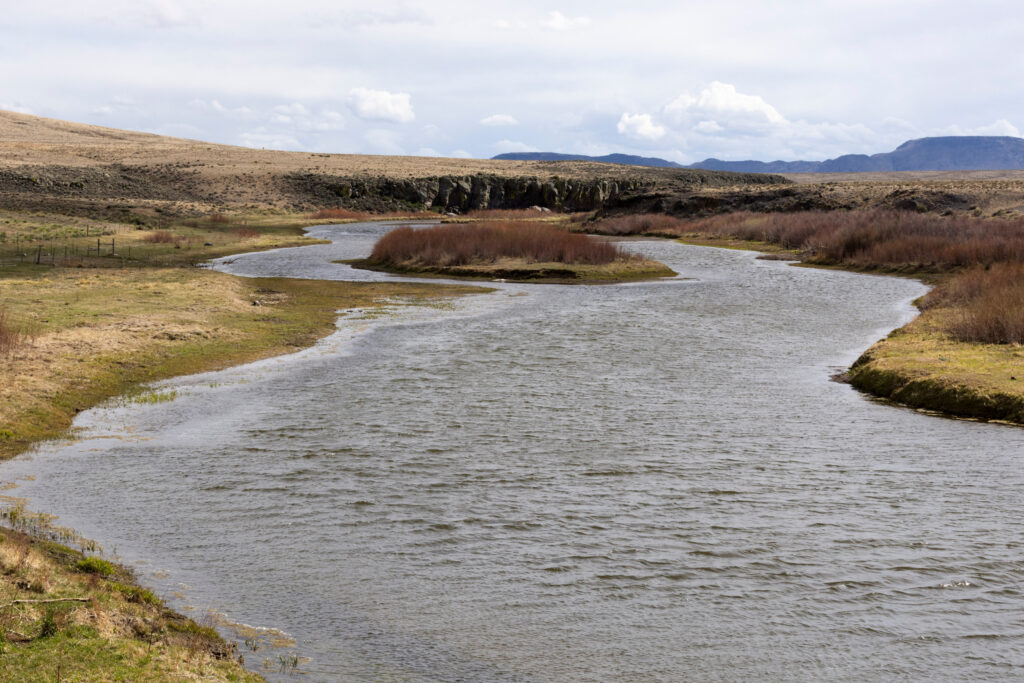
The earlier the ditches turn off, the greater the imbalance between how much is pumped from and recharged into the valley’s aquifer system.
The valley has both a deep, confined aquifer, and an unconfined aquifer closer to the surface that is unique—contained by multi-layer, permeable components so that one user’s well pumping can alter water availability elsewhere in the system. Water storage in the unconfined aquifer, which supplies most irrigation wells, has fallen dramatically, losing an estimated 1.3 million acre-feet of water since 1976, when tracking began.
With that in mind, regulators created groundwater subdistricts in the early 2000s to manage resources more collectively.
“This very complex hydrology will essentially be threatened without some additional layer of collective management, as opposed to the operation of individual decrees that you see in less hydrologically complex areas,” said Gregor MacGregor, water attorney and faculty fellow at the University of Colorado Law School.
Groundwater Subdistrict No. 1, a highly agricultural area at the center of the mitigation effort, created and scrapped multiple plans to halt the unconfined aquifer’s decline over nearly two decades. After severe drought in 2018 wiped out much of the district’s hard-earned progress, Simpson received a warning.
State Engineer Kevin Rein wrote that he “will be put in the unenviable but required position of curtailing groundwater diversions” if the subdistrict’s sustainability goals are not met by 2031, a deadline set by its Colorado Supreme Court-approved plan for water management in 2011. And this could occur earlier if it becomes “undeniable” at any point that the goals won’t be met.
In other words, if the district didn’t act fast, the state could shut down its wells.
Today, producers in Subdistrict 1 pay a fee for every acre-foot of water they pump—equivalent to covering one acre in one foot of water. Many earn groundwater pumping credits by using their surface water allotments to recharge the aquifer, then pay the pumping fee for any additional water that’s needed. The district’s latest plan would raise the fee for groundwater pumping beyond a producer’s surface-water rights from $150 to $500 per acre-foot, an intentionally prohibitive price designed to force pumping reductions. However, those with unused surface-water rights can instead sell them to those without rights, with the price set by the market.
The goal is to reach a 1-to-1 system: For every acre-foot of groundwater pumped, an acre-foot of water is returned to the aquifer.
Contracting an Economy
At the trial, there was broad agreement that the unconfined aquifer must be raised and kept at sustainable levels, said Heather Dutton, manager of the San Luis Valley Water Conservancy District: “They weren’t necessarily arguing about the science and the facts of the hydrology … Nobody disagreed that we have to take action and that the aquifer is at these historic levels.”
But how that should be done is a point of contention. In the valley, “many a barbecue has been ruined” talking about the “overall state of the water in the region,” said farmer Jones.
Willie Myers, whose family has been farming in the valley since the 1970s, argues that the plan unfairly places the responsibility for restoration on producers who rely solely on groundwater, as opposed to those with some surface water rights. “They’re effectively going to use the fee as the way to shut down operations,” he said.
He thinks, instead, managers should look to nearby Subdistrict 5, which instituted a groundwater pumping restriction for all producers.
“They can just cap the amount of water you’re able to pump,” said Myers. Those who exceed the cap would “get removed from the subdistrict and face legal action from the state of Colorado.”
But Myers suggests this idea is political for many: “The constant comment I have heard is dividing up my water rights, that’s socialism.”
This story is funded by readers like you.
Our nonprofit newsroom provides award-winning climate coverage free of charge and advertising. We rely on donations from readers like you to keep going. Please donate now to support our work.
Meanwhile, farmer Mike Kruse believes the plan does not sufficiently protect water as private property. “I very strongly believe in water law. I do not want that to change,” he said. “I certainly believe that reductions are based upon your water rights only. We have a big priority system, number one and number two and et cetera … And we have to follow that.”
Regardless of how it’s done, meeting the aquifer’s restoration goal will mean a smaller agricultural economy in the valley.
“There’s just no easy way to do this,” said Jones. “There’s the reality that we do need to pump less water, and saying who gets to pump and who doesn’t get to pump will always be controversial … it’s a serious reduction.”
“It’s awful,” said Erin Nissen, fourth-generation valley farmer. “The alternative of doing nothing is that the state will shut everything down here … So do you cut a few people out, unfortunately?”
Nissen, Jones and many others in the valley have spent years transitioning to crops that require less water, building soil health to retain more moisture and deliberating reducing their acreage. But much more is needed to restore the aquifer.
Jones estimates that 100 to 200 crop circles (each typically about a half mile in diameter) will be taken out of production to meet the 1-to-1 goal for aquifer pumping and recharging. Kruse thinks the number will be more than twice that—up to 500 circles dried up. Either way, MacGregor says, a reduction in agricultural acreage will impact the local economy.
“Every acre you take out of production is an acre that’s not producing something that gets sold, but is also a loss of the purchase of inputs and the purchase of seed and the purchase of gasoline and the maintenance and purchasing of equipment,” said MacGregor.
“It’s not just the end product, it’s the entire ecology of the economy.”
“Who Bears the Burden?”
An appeal to the Colorado Supreme Court would likely delay the groundwater management plan another 12 to 18 months—bringing Subdistrict 1 that much closer to its 2031 deadline for restoration.
For Simpson, the legal process is time and money that could have otherwise gone to solving the problem at hand. He recalled the trial’s opening day with more than a dozen lawyers alongside engineers and other professionals. “This costs everybody collectively 50,000 bucks a day,” he said. “They likely could have spent all that money to create their own plan for augmentation and avoided all of this.”
With the water case, rising costs and several years of poor potato prices weighing on the region, “the valley is pretty tense … People are hurting,” said Nissen. And “the clock is ticking every year” to save the aquifer.
The valley offers a glimpse of what water scarcity will mean for communities across the West, whose economies have been built around a resource that is becoming less reliable. What will communities do when there is no longer enough water to go around?
“I think that was the ultimate takeaway,” said Dutton. “Who bears the burden when a shared resource is imperiled?”
About This Story
Perhaps you noticed: This story, like all the news we publish, is free to read. That’s because Inside Climate News is a 501c3 nonprofit organization. We do not charge a subscription fee, lock our news behind a paywall, or clutter our website with ads. We make our news on climate and the environment freely available to you and anyone who wants it.
That’s not all. We also share our news for free with scores of other media organizations around the country. Many of them can’t afford to do environmental journalism of their own. We’ve built bureaus from coast to coast to report local stories, collaborate with local newsrooms and co-publish articles so that this vital work is shared as widely as possible.
Two of us launched ICN in 2007. Six years later we earned a Pulitzer Prize for National Reporting, and now we run the oldest and largest dedicated climate newsroom in the nation. We tell the story in all its complexity. We hold polluters accountable. We expose environmental injustice. We debunk misinformation. We scrutinize solutions and inspire action.
Donations from readers like you fund every aspect of what we do. If you don’t already, will you support our ongoing work, our reporting on the biggest crisis facing our planet, and help us reach even more readers in more places?
Please take a moment to make a tax-deductible donation. Every one of them makes a difference.
Thank you,
