

Close Menu
NCIJ Network NCIJ Network
    What's Hot

    A revolutionary new microscope could reveal the hidden machinery of life

    October 22, 2026

    Deforestation in Brazil’s Amazon and Cerrado savanna at lowest rate ever recorded

    October 22, 2026

    What would make neonatal units safer for babies? | Lucy Letby

    October 22, 2026
    Facebook X (Twitter) Instagram
    Trending
    • A revolutionary new microscope could reveal the hidden machinery of life
    • Deforestation in Brazil’s Amazon and Cerrado savanna at lowest rate ever recorded
    • What would make neonatal units safer for babies? | Lucy Letby
    • Has the government legislated to ‘adjust’ the state pension triple lock? – Full Fact
    • First known human case of Shamonda virus confirmed in France – POLITICO
    • Wanted: new No 10 adviser to help citizens deal with rise of AI | Andy Burnham
    • Police should not be scared to wade in to stop wrongdoing, says Kemi Badenoch
    • Hacker Conversations: Corey Thuen and the Evil Bit
    • About
      • Our Team
      • Editorial Policy
      • Editorial Independence
      • International Support
    • Trust & Standards
      • AI Usage Policy
      • Conflict of Interest Policy
      • Corrections Policy
      • Ethics Policy
      • Fact-Checking Policy
      • Source Protection
    • Get Involved
      • Guide for Sources
      • Support Independent Journalism
    • Legal
      • Cookie Policy
      • Privacy Policy
      • Terms of Use
    Facebook X (Twitter) Instagram
    NCIJ Network NCIJ Network
    Thursday, October 22
    • Home
    • World
    • Ai
    • Business
    • Politics
    • Health
    • Crypto
    • Science
    • Technology
    • Cybersecurity
    • Defense & Security
    • Economy
    • Energy
    • Europe
    • More
      • Fact Check
      • Investigations
      • Opinion & Analysis
      • Environment
    NCIJ Network NCIJ Network
    Home»Environment

    Nepal’s newest national parks drive tiger recovery, but emerging concerns threaten progress

    NCIJ NETWNCIJ NETWORKBy NCIJ NETWNCIJ NETWORKAugust 18, 2026 Environment No Comments3 Mins Read
    Share
    Facebook Twitter LinkedIn Pinterest Email

    In the last four years, Nepal’s wild tiger population has experienced a historic increase.

    In 2022, the tiger (Panthera tigris tigris) population was numbered at 355 individuals. Now, it has reached an estimated 429 individuals — nearly a four-fold jump from 16 years ago, reports Mongabay’s Abhaya Raj Joshi.

    Bed Kumar Dhakal, spokesperson for the Department of National Parks and Wildlife Conservation, said that the department’s latest tiger monitoring survey results “reflect the positive outcomes of ongoing efforts in the field of tiger conservation in Nepal, such as habitat conservation and management, poaching control, conservation of prey species, and biological corridor conservation.”

    However, a closer look at the latest numbers reveals an uneven recovery. Growth is concentrated almost entirely within the country’s newest national parks, Banke, Parsa and Shuklaphanta, while Bardiya, the country’s second-oldest park, experienced a population decline.

    Shant Raj Jnawali, a researcher and conservationist, said the uneven growth of tiger numbers across Nepal’s parks is due to water availability, spread of weed species and improved connectivity with potential habitats in India, rather than administrative or management changes.

    “We have seen some areas of Bardiya, especially the banks of the Geruwa River, and Chitwan (west) are facing droughts due to changing river course,” Jnawali said. This dry spell, he added, may be pushing tigers toward parks with better water infrastructure, such as Banke and Parsa, where officials have heavily invested in artificial ponds.

    Additionally, older parks are suffering from invasive weeds such as bitter vine (Mikania micrantha) and common lantana (Lantana camara), Jnawali said. “The younger national parks, to some extent, don’t face the problem, as until recently their grasslands were used for livestock grazing, which helped keep the invasives out,” he added. This grazing history preserved high-quality grasslands for deer, drawing tigers to follow their prey, Jnawali said.

    A 2025 study also suggests water availability, specifically proximity to artificial waterholes, is a stronger predictor of tiger distribution than prey abundance. Bardiya’s prey density actually rose by 74% between 2022 and 2026, the highest gain of any park, even as tiger numbers fell.

    The increase in tiger numbers in the new national parks may not only lead to more tiger-human conflict, but also more conflict between people and leopards, studies have found. As tiger populations expand, they displace common leopards (Panthera pardus) from core habitats, pushing them into surrounding human settlements, said researcher Saneer Lamichhane, a PhD candidate at the wildlife ecology and conservation department at the University of Florida.

    Read the full story by Abhaya Raj Joshi here.

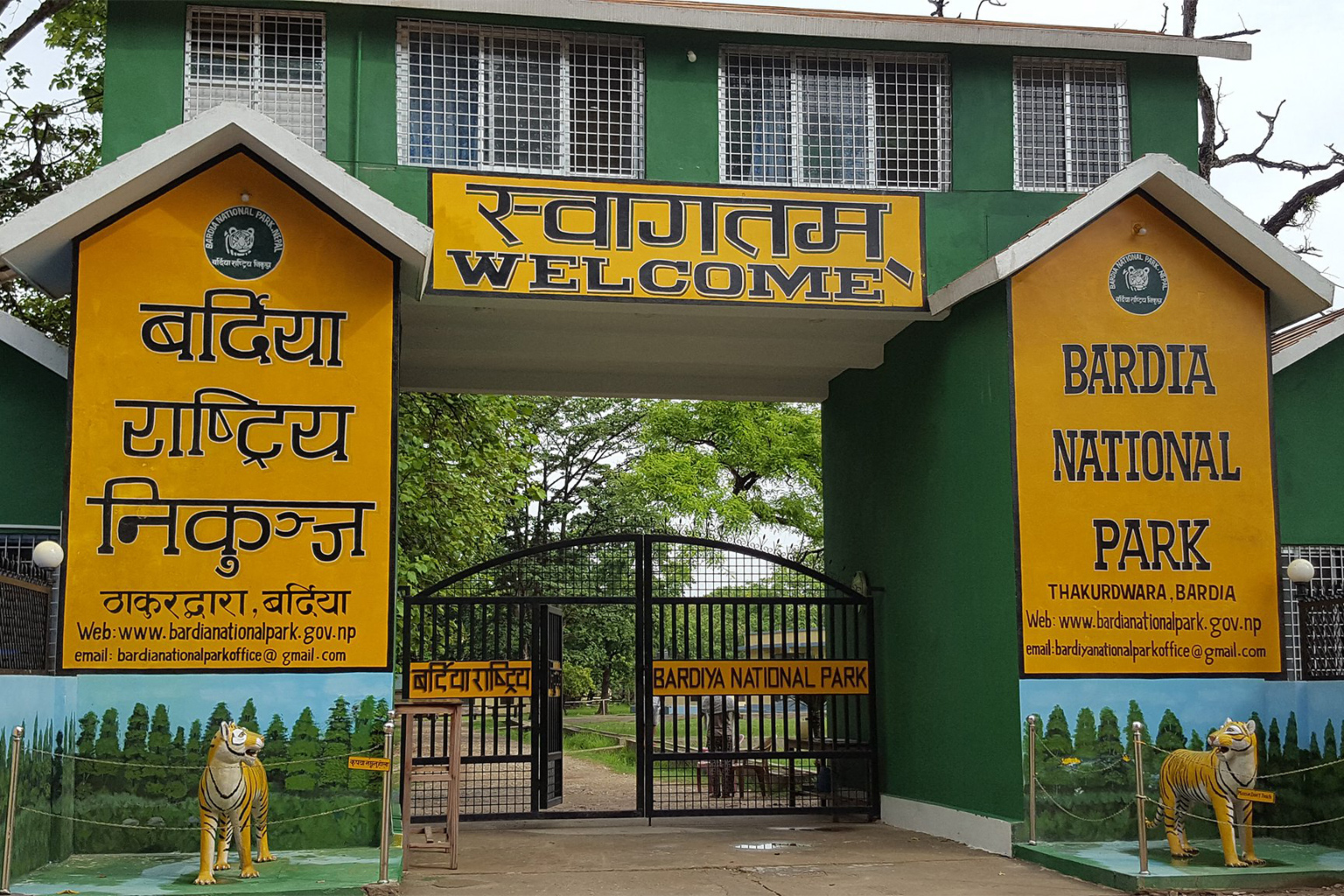
    Banner image: Bardiya National Park is among the many protected areas in Nepal that are known for their tigers. Authorities here focus on keeping the habitat suitable for tigers. Image by The Advocacy Project via Flickr (CC BY-NC-SA 2.0).


    concerns drive Emerging national Nepals Newest parks progress recovery threaten tiger
    NCIJ NETWNCIJ NETWORK
    • Website

    Keep Reading

    Deforestation in Brazil’s Amazon and Cerrado savanna at lowest rate ever recorded

    Germany arrests Ukrainian national on suspicion of spying for Russia

    Deadly gold rush continues as latest landslide kills four in Sumatra

    ‘A decision to decide’: Greenland moves to suspend seabed mining until 2029

    Farmers and Advocates Say the Global Food System Is Failing—and Its Financiers Are to Blame

    Bank credit remains scarce in Bangladesh where climate risks are highest

    Add A Comment
    Leave A Reply Cancel Reply

    Editors Picks

    A revolutionary new microscope could reveal the hidden machinery of life

    October 22, 2026

    Deforestation in Brazil’s Amazon and Cerrado savanna at lowest rate ever recorded

    October 22, 2026

    What would make neonatal units safer for babies? | Lucy Letby

    October 22, 2026

    Has the government legislated to ‘adjust’ the state pension triple lock? – Full Fact

    October 22, 2026
    Latest Posts

    Big Bear Valley’s beloved bald eagle Jackie is dead

    August 14, 2026

    Cascade Volcanoes Shrouded in Smoke

    August 14, 2026

    Bit Digital pledged 74% of its staked Ethereum position to a loan that can trigger a 24-hour collateral call

    August 14, 2026

    Subscribe to News

    Get the latest sports news from NewsSite about world, sports and politics.

    NCIJ Network is an independent digital news platform delivering trusted investigative journalism, European and global news, in-depth analysis, and fact-based reporting with accuracy, transparency, and integrity.

    Facebook X (Twitter) Instagram Pinterest YouTube

    A revolutionary new microscope could reveal the hidden machinery of life

    October 22, 2026

    Deforestation in Brazil’s Amazon and Cerrado savanna at lowest rate ever recorded

    October 22, 2026

    What would make neonatal units safer for babies? | Lucy Letby

    October 22, 2026

    Subscribe to Updates

    Get the latest creative news from FooBar about art, design and business.

    Type above and press Enter to search. Press Esc to cancel.