


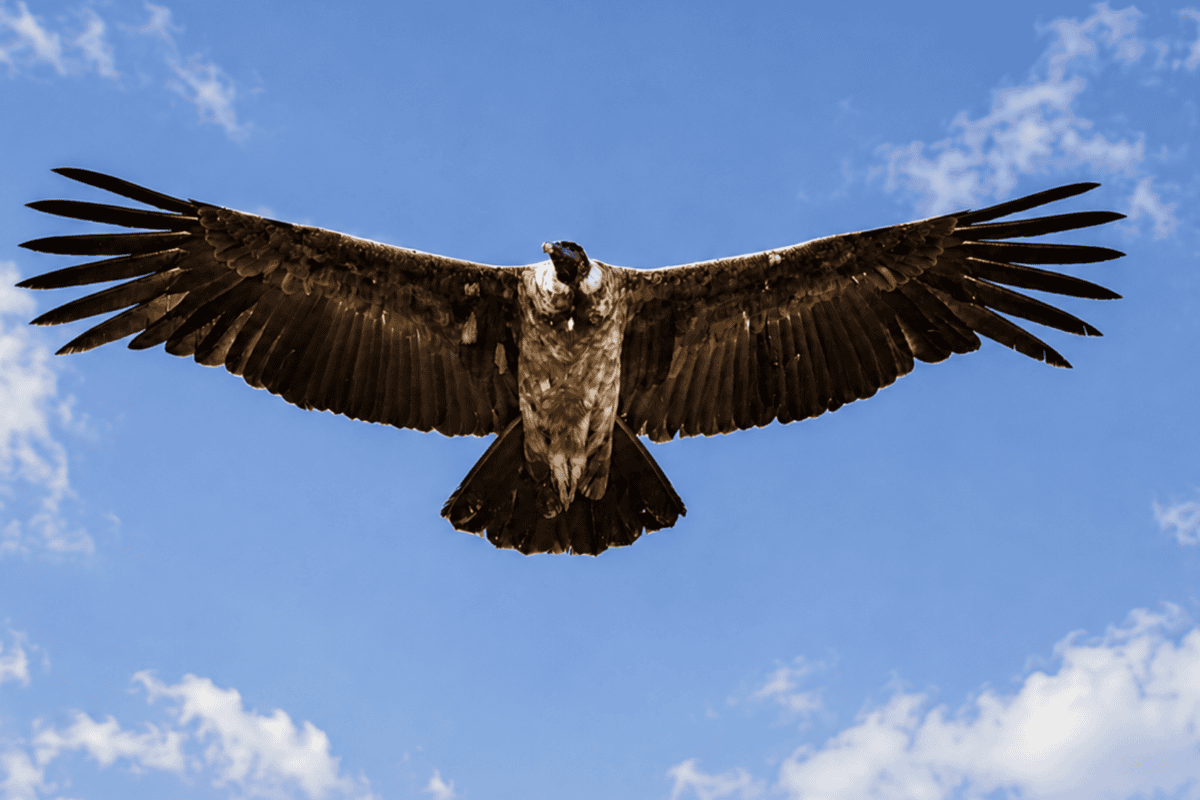
PÁRAMO EL ALMORZADERO, Colombia — Doris Torres is a sheepherder who grew up seeing Andean condors as enemies. In this remote village high in the Colombian Andes, the birds were blamed for livestock losses and often killed through poisoning or shooting — persecution that helped push their population to the brink.
But as Torres learned more about the condor and its importance to the Andean ecosystem, her relationship with the species began to change. She became an unlikely conservationist and is now at the heart of a grassroots effort helping bring condors back to these mountains.
Working with Fernando Castro, from the Parque Jaime Duque Foundation, Torres and other villagers have transformed a long-standing conflict into a model of coexistence. Former enemies of the condor have become its protectors, creating a rare safe haven for one of Colombia’s most threatened birds of prey. Today, condors are once again soaring over the páramo.
And the community is preparing for the next step: welcoming young condors bred in captivity by Castro and his team in Bogotá. Using artificial incubation and condor-shaped hand puppets to raise the chicks without accustoming them to humans, the team hopes to release at least three juveniles into the wild by the end of 2027.
Mongabay’s Video Team wants to cover questions and topics that matter to you. Are there any inspiring people, urgent issues, or local stories that you’d like us to cover? We want to hear from you. Be a part of our reporting process—get in touch with us here!
Banner image: Andean Condor. ©Envato
Notice: Transcripts are machine and human generated and lightly edited for accuracy. They may contain errors.
I used to hear many stories from the elders

about the condor's connection to the witch, you know?

That it brought bad things.

Associated with myths and legends.

Sometimes, you would find your sheep had been killed,

and you would find a condor eating it — so you’d blame it.

That was how the conflict began.

These are estates inherited from great-great-grandparents

and passed down to the next generation;

they are handed down from generation to generation.

Ilika and Dasan fell very close to El Cerrito ...

The people who found them saw them on the ground, unable to fly.

Then they were taken there on a helicopter

and spent about two months receiving treatment.

And they were later released here in the same territory.

It's going to come out any moment now.

The condor is the one that cleans,

because it eats the decomposing meat;

it has the ability to prevent diseases and stop them from spreading.

In Colombia, the Andean condor is critically endangered.

This means that between 150 and 250 individuals remain in the entire country.

So it was within that context that we said: "No, we need to get organized."

More families had already joined.

The first thing you have to do is provide training on the animal's biology:

that it lacks [strong] claws and therefore cannot attack or snatch up livestock.

The condor is special because, first of all, it is the largest flying bird on the continent.

It represents an entire Andean community, ranging from Colombia —

specifically the Sierra Nevada de Santa Marta — down to Argentine and Chilean Patagonia.

Not integrating the communities into the conservation strategies

would delegitimize what they tell us: the attacks, the needs.

The goal is for the camera to

point toward the carrion, right?

The condors are very large, so it’s important not to place them too close.

Because then nothing will appear.

It is also important to keep the time in mind.

Look, there are quite a few here.

That’s a little silver fox, and they carry off the lambs at night.

They compete with the condor for food.

At first, we focused on improving livestock management,

for sheep and goats,

helping to build pens and install roofing.

Then we started fencing the pastures.

This is a juvenile.

This one is like Rafiki.

Look, it's already big.

We see them every day now, at any time,

and we have seen a significant presence of juveniles.

That means they are breeding here.

I think it’s ready.

[It angles] this way.

The young people of our generation —

at least those of us who know the condors, who have seen them —

well, we love them and want to protect them.

Last year, we had an influx of about 1,200 tourists over the course of the year.

Is this kind of an incubator?

An incubator.

That's great!

Oh, look, it's starting to move.

It's going to break out of its shell.

Oh! Look, look, look, look!

Has it cracked a little bit here? Yes!

Did you see it open its little beak there?

Oh poor little guy!

Oh, look how it's breathing.

They gave it a little stuffed animal!

Rafiki, the first condor born [under the program] in 2024,

along with Wayra and Ámbar, the two other young condors,

are currently isolated from humans and preparing for release into this páramo.

I love watching them fly because they look so free and happy.

Honestly, it gives me hope to see that

the process we’re carrying out is actually working.

And hopefully all those areas where the condor flies

have that same affection for the condor and respect it, you know?
