


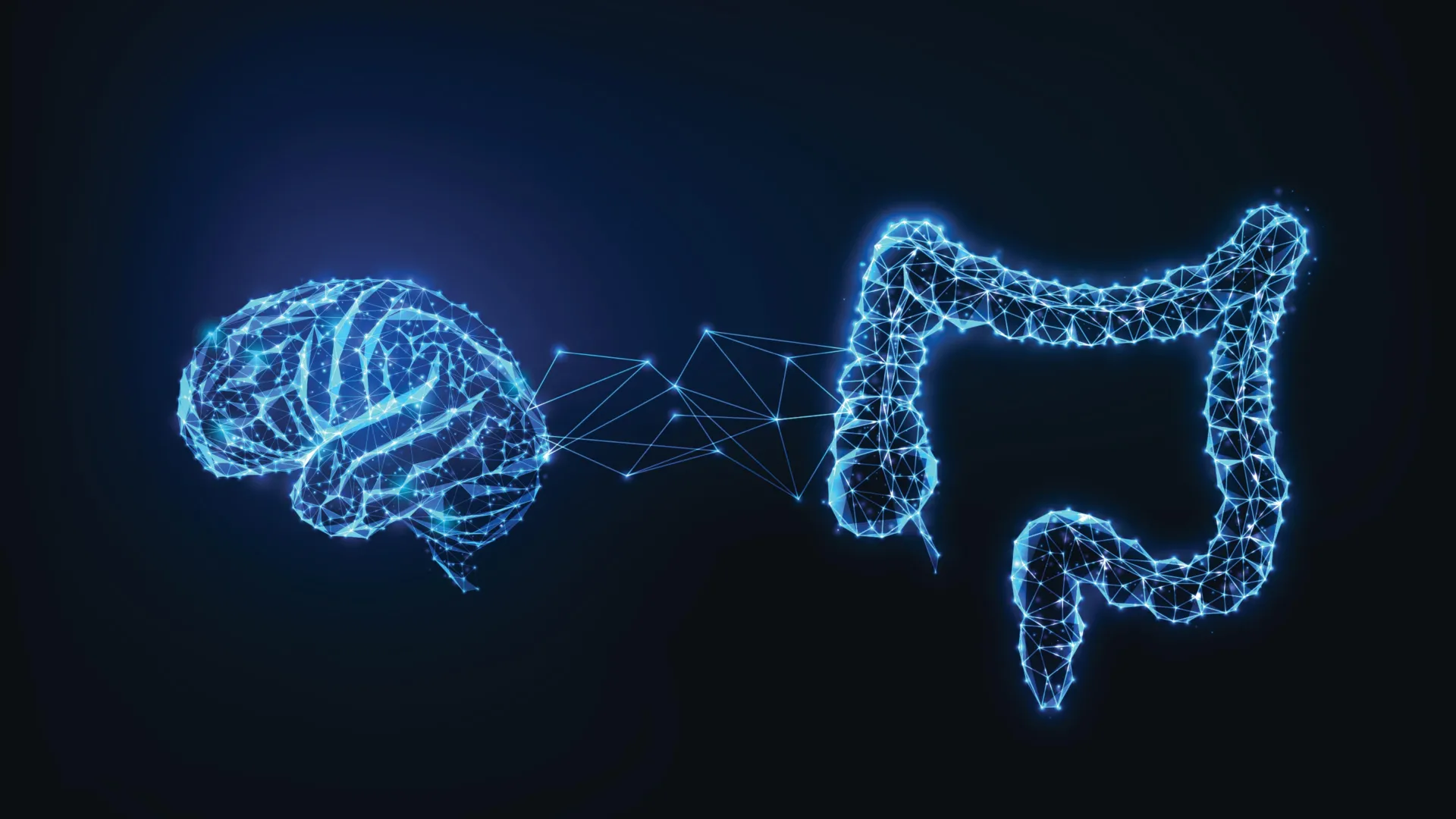
The taste of a madeleine famously sent French writer Marcel Proust back into vivid memories of childhood. New research suggests that this kind of recollection may involve more than the brain alone. Signals from the digestive system may also help determine which food-related experiences become memories.
The study, led by Scott Kanoski, professor of biological sciences at the USC Dornsife College of Letters, Arts and Sciences, indicates that the gut may contribute to memory formation, particularly when an experience involves finding and consuming food.
Published in Nature Communications, the research examined the vagus nerve, one of the body’s main communication routes between the digestive system and the brain. The nerve is already known to influence digestion, appetite, and feelings of fullness. The new findings suggest that it may also carry information that helps the brain store memories.
How Gut Signals Reach the Memory Center
In experiments with rats, the researchers found that eating nutrient-rich foods increased the release of acetylcholine in neurons connected to the hippocampus. The hippocampus is a brain region that plays a central role in learning and memory.
Acetylcholine is a neurotransmitter that helps the brain record new information and form memories. The increase depended on messages traveling from the gut through the vagus nerve.
When the researchers disrupted communication along the vagus nerve, acetylcholine levels no longer rose after the animals ate. The rats also struggled more on tests that required them to remember where they had recently located food.
Nutrients Matter More Than Sweetness
The experiments also showed that the brain’s memory system responded to the nutritional content of food, not simply to how pleasant or sweet it tasted.
Rats that consumed sugar or fat displayed strong activity in brain pathways involved in memory. By contrast, animals given low-calorie or noncaloric liquids that tasted sweet did not produce the same response.
The results suggest that the brain distinguishes between flavor and actual nutritional value. A sweet taste alone was not enough to activate the memory-related pathway.
“We think the mechanism likely evolved to help animals remember vital information about food sources,” says study first author Logan Lauer, a PhD student in Kanoski’s lab. Recalling where certain plants sprout first in the spring can help hungry animals find important nutrients. Signals from the gut tell the brain, “This meal provided valuable nutrients, so remember where and how you got it.”
Why Food Location Memories Matter
For animals in the wild, remembering the location of a reliable food source can be essential for survival. A meal that provides useful nutrients may trigger the gut to send a message that encourages the brain to store details about where the food was found and how it was obtained.
This process could help explain why certain food experiences become especially memorable. The body may be designed to place greater importance on meals that deliver energy or valuable nutrients.
Unhealthy Diets May Weaken the Pathway
Although foods rich in sugar and fat produced strong short-term memory responses, frequent exposure to those foods had the opposite effect over time.
Rats that ate high-fat and high-sugar diets early in life later showed weaker communication between the gut and the hippocampus. Their memory-related brain responses remained reduced even after they returned to a healthier diet.
These animals also performed worse on tasks that tested their ability to remember where food had been located. The results suggest that prolonged consumption of unhealthy foods may interfere with the same gut-to-brain system that initially helps record food-related memories.
Possible Links to Cognitive Decline
The findings may have broader implications for human health. Obesity, poor nutrition, and metabolic conditions such as diabetes have already been linked to a higher risk of cognitive decline.
This research points to one possible biological explanation. Repeated exposure to unhealthy foods may gradually damage or disrupt communication between the gut and the brain, making it harder for the memory system to function normally.
The results could also offer clues about neurodegenerative diseases.
“The disruption of acetylcholine signaling in the hippocampus is one of the earliest neurochemical changes in Alzheimer’s disease,” says Kanoski. “By revealing that this system is boosted by gut signaling from the vagus nerve, novel therapeutic targets could leverage this information to explore vagus nerve-based approaches, such as vagus nerve stimulation.”
New Possibilities for Memory Treatments
The discovery raises the possibility that future treatments could focus on strengthening communication between the digestive system and the brain.
Approaches that stimulate the vagus nerve or improve gut health might eventually be investigated as ways to support memory and preserve cognitive function. Vagus nerve stimulation is already being studied for several neurological and psychiatric conditions, and the new findings suggest that memory could become another area of interest.
The researchers caution that more work is needed to determine whether the same process occurs in humans. For now, the experiments provide further evidence that the gut and brain work together far more closely than once believed.
About the Study
In addition to Kanoski and Lauer, study authors include Anna Hayes, Andrea Suarez, Alexander Bashaw, Molly Klug, Alicia Kao, Robert Cheng, Jessica Rea, Keshav Subramanian, Anna Nourbash, Kristen Donohue, and Lindsey Schier of USC Dornsife; Kevin Myers of Bucknell University; and Léa Décarie-Spain of Université de Montréal.
This work was supported by National Institute of Diabetes and Digestive and Kidney Diseases grants DK104897, DK123423, F31AG092136; Postdoctoral Ruth L. Kirschstein National Research Service Award from the National Institute on Aging grant F32AG077932; Quebec Research Funds postdoctoral fellowship 315201; and an Alzheimer’s Association Research Fellowship to Promote Diversity.
