


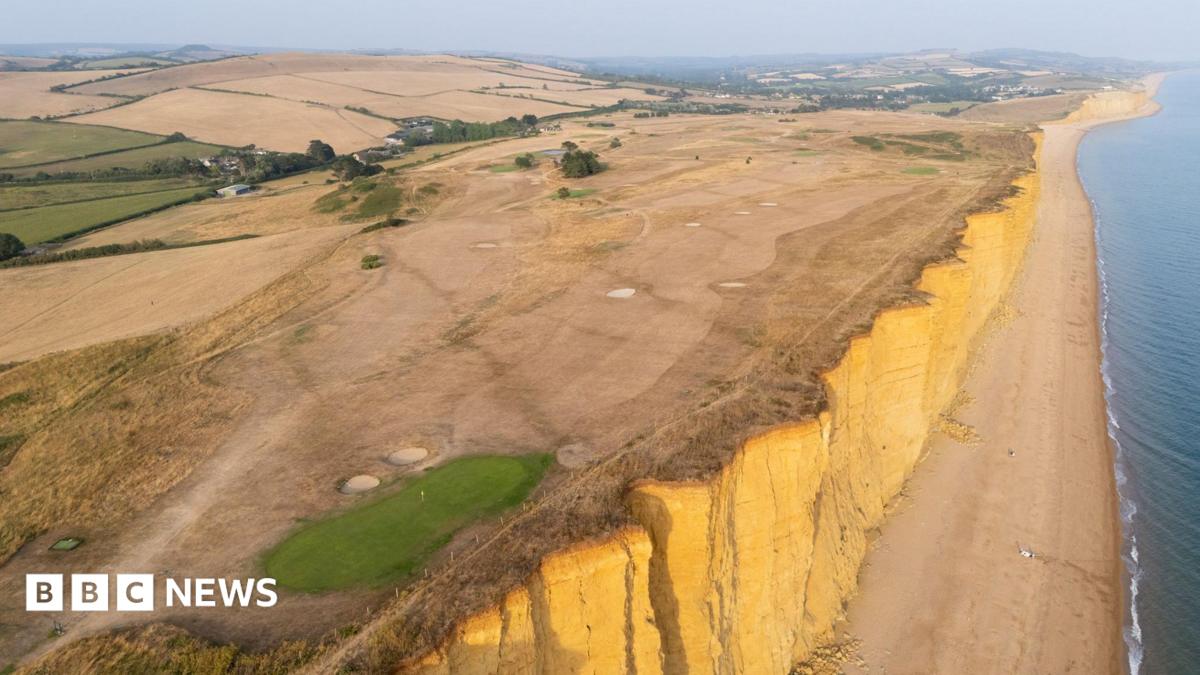
Helen Wakeham, director of water at the Environment Agency and chair of the National Drought Group, said: “The hot and dry weather means we are currently using water faster than nature can replenish it.”
North Wales and the Upper Severn river basin entered drought conditions last week, Natural Resources Wales said.
Scotland does not declare drought but monitors “water scarcity”. Some parts of eastern Scotland are in the most extreme category of “significant scarcity”, according to the Scottish Environment Protection Agency.
The full list of English regions in drought conditions are:
-
East Anglia
-
Hertfordshire and the whole of London
-
Thames Valley
-
Hampshire and the Isle of Wight
-
Devon and Cornwall
-
the West Midlands
-
Wessex, covering Dorset, Somerset, Wiltshire, and South Gloucestershire
There is no single definition of drought, but it usually refers to a period of prolonged unusually dry weather that can have impacts on people, nature and the environment.
Today’s announcement means there have been three droughts in the past five years – 2022, 2025 and now 2026.
This summer has seen repeated, extended and record-breaking heat. Some areas of the country are entering their fourth heatwave of the year.
And on Wednesday, the Met Office announced that the new June temperature record set last month, was even higher than previously thought, following verification processes.
The previously-reported figure of 37.7C in Lingwood, Norfolk, on 26 June 2026 has been updated to 38.0C – smashing the UK’s previous June high of 35.6C.
