


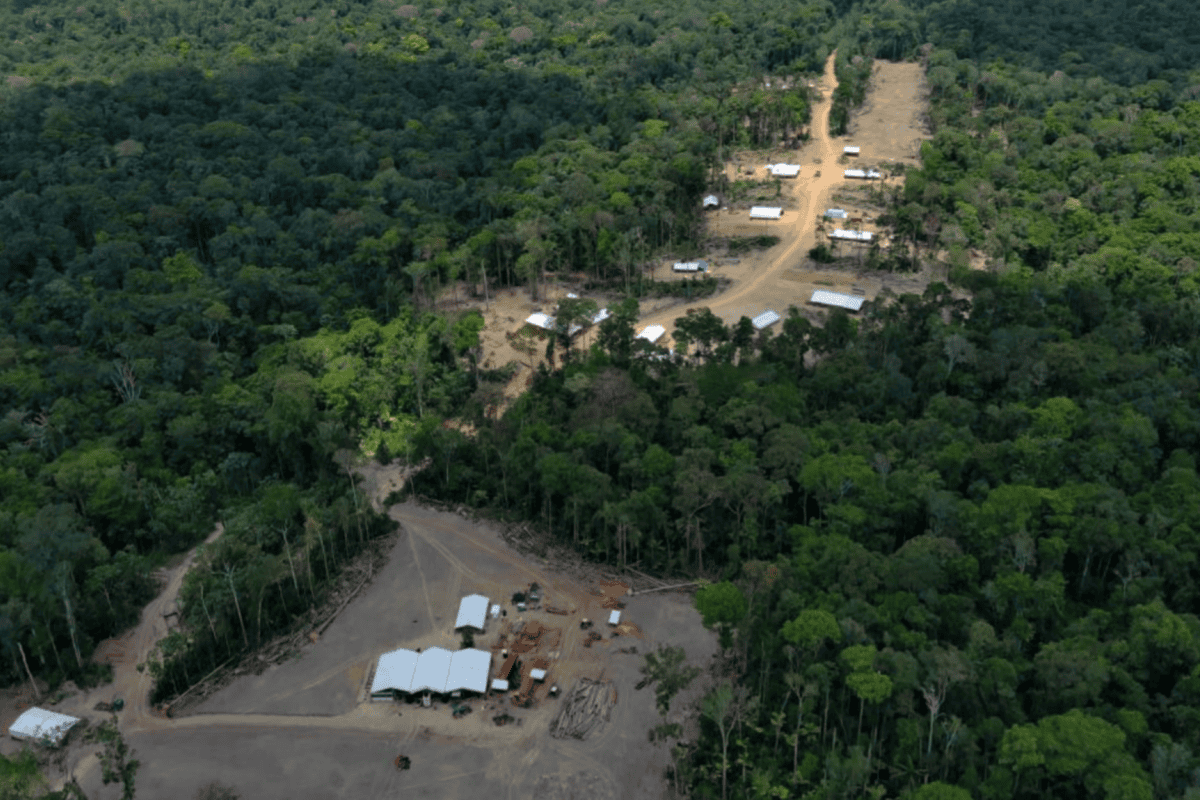
- Suriname President Jennifer Geerlings-Simons announced a task force in August to investigate illegal settlements destroying the rainforest, many of them Mennonites moving from other countries.
- Attempts at eviction have proven much more complicated than it first appeared, observers say. Settlers are allegedly ignoring court orders, and officials are confused about which people are breaking what laws.
- Rabindre Parmessar, leader of the National Democratic Party in the National Assembly, said he plans to meet with the president’s task force to better understand the legal procedures of eviction and why the Mennonites haven’t been removed yet.
- He will also take steps to create a parliamentary group to investigate the situation independently of the president’s task force, he said.
The government in Suriname this year said it planned to evict illegal settlers in the Amazon Rainforest, and possibly send many of them back to their home countries. But eviction has proven much more complicated than it first appeared, with settlers allegedly ignoring court orders and officials expressing confusion about which people are breaking what laws.
Suriname President Jennifer Geerlings-Simons created a task force to investigate illegal settlements destroying the rainforest, many of them Mennonites moving from other countries. Officials delivered eviction notices to some of the settlers as recently as July, yet some deny receiving the notices and continue to develop the area.
Lawmakers said they’re confused about the location of the new Mennonite communities, the legal process for removing them, and how they entered the country in the first place.
“We got bits and pieces of information that more and more families were coming,” Rabindre Parmessar, leader of the National Democratic Party in the National Assembly, told Mongabay over the phone. “We don’t know whether immigration rules were taken into consideration, and the other rules and procedures we have here in Suriname.”
Since at least 2022, agribusiness investors in the country have been trying to relocate Mennonite farming families from Bolivia, Belize and other parts of the Americas. The conservative Christian group has a track record of rapid farming growth, and would have helped develop hundreds of thousands of hectares of mostly primary rainforest.
In some instances, the land in question had been transferred to the Department of Agriculture, Livestock and Fisheries, part of a government push to increase domestic food production.
Officials canceled many of the deals on public land, citing Suriname’s pledge to maintain around 90% forest cover and a net-negative carbon emission status. But other deals remained legally active, and some settlers continued to work on public land, officials say.
Geerlings-Simons’ task force was designed to investigate the location of the illegal settlements and issue eviction notices. One notice was delivered in July at the request of the Ministry of Land Policy and Forest Management, according to records reviewed by Mongabay. A bailiff delivered a formal demand to end the unlawful occupation and vacate the state-owned land.
The document says the notice was served so that the recipients would be aware of its contents.
During a visit by local media, a Mennonite who had migrated from Belize denied knowing anything about being served an eviction notice.
He told the reporters he paid around $370 per hectare and was working on an approximately 9,500-hectare (23,475-acre) plot. There’s another 14,568-hectare (36,000-acre) plot where other Mennonites are also working, he said.
The Mennonite also confirmed he had paid for his plot through a community leader.
Belizean Mennonites usually elect a body of three leaders called a Vorsteher, which roughly translates to “manager.” The leadership oversees trusts and churches that manage property collectively, allowing them to develop and transfer land internally — in some cases outside of government oversight.

It’s unclear whether all of the Belizean Mennonites who have moved to Suriname were served eviction notices, according to John Goedschalk, a climate advisor to the president.
This month, National Assembly members Parmessar and Michael Marengo visited some of the settlements and spoke with Mennonites who were unsure about their future in Suriname. Some of them asked whether they would have to move somewhere else or even leave the country.
“He was very surprised, and I would even say anxious, about what’s going to happen,” Parmessar told Mongabay, adding that the Mennonites sold everything in Belize to come to Suriname.
Parmessar said he hadn’t seen the eviction notices and doesn’t know whether they require the settlers to leave Suriname or just specific properties. He said he wants to see all agreements the government has made with them.
It’s also unclear why more Mennonite families appear to be arriving in the country, where they’re settling, and if someone in the government is giving them permission, he said.
Moving forward, Parmessar plans to meet with the president’s task force to better understand the legal procedures of eviction and why the Mennonites haven’t been removed yet. He will also take steps to create a parliamentary group to investigate the situation independently of the president’s task force.
One popular option, put forward by members of the National Assembly and Geerlings-Simons, is to develop agribusiness along the coast, where the forest has already been degraded or cleared.
“If anybody wants to come here and they want to work in agriculture on the coast, where our fertile lands are, and they’re willing to integrate with our society, then they’re welcome,” Goedschalktold Mongabay. “If the Mennonites are willing to do that, then they’re welcome to stay.”
Banner image: A drone photo of a Mennonite settlement in Suriname. Image courtesy of Erlan Sleur/ ProBios.
See related from this reporter:
New analysis breaks down 2025 Amazon deforestation, with good news and bad news
FEEDBACK: Use this form to send a message to the author of this post. If you want to post a public comment, you can do that at the bottom of the page.

