


This past weekend marked the two-year anniversary of Hurricane Helene, which claimed more than 250 lives — 108 in North Carolina — and left hundreds of thousands of people without power for days to weeks. In Asheville, the largest city in the western part of the state, the storm left residents without drinking water for 53 days.
Part of what made the storm so devastating to the region when it hit, 400 miles inland from where it made landfall, is that the Appalachian Mountains’ typically porous soils were already saturated by recent rainfall. The rainwater hit bedrock and raced down steep mountain slopes like water on a slide. It overran the banks of normally shallow creeks and rivers, carrying the earth above it. One in 4 of those who died from the storm in North Carolina did so because of mud and landslides.
I’m a reporter with the North Carolina online magazine The Assembly, and my stories have also covered natural disasters in California, Arizona and Texas, where I was a data reporter on ProPublica and The Texas Tribune’s investigative team. In my recent story for The Assembly and ProPublica, I wrote about how a gap in federal flood policy is putting mobile home residents in harm’s way again and again, allowing people in North Carolina to move onto the same lots where homes previously washed away.
Joe Rogers moved into a riverfront mobile home park in Haywood County in 2006, his front door less than 100 feet from the river’s banks. At the time, the flood maps showed that the land the park sat on was at risk but didn’t have his home in the 100-year floodplain, which would have required expensive elevation. The lot was empty, and at $200 a month, the rent was affordable. Rogers reckoned he had at least 40 years until another storm came around.
In 2021, the park was hit by a tropical storm, and the river rose a couple of inches into the home of Rogers and his wife, Sandra. When firefighters knocked on their door in the middle of the night in 2024, the couple figured Helene would play out like the last storm. Instead, the frigid, muddy river water rose from ankle deep to chest high in under an hour. Neighbors helped Joe escape, but before he could get Sandra out, the river lifted the home off its foundation and drove it downstream. Sandra’s body was found five days later, about 15 miles down river.
It wasn’t the first time that floodwaters destroyed homes at that park. In 2004, Hurricane Frances brought torrential rainfall to Western North Carolina. From his home on the park’s hillside, Dave Masters could see his father’s mobile home surrounded by water. Masters forced his then 63-year-old dad to leave, and the two watched as the river pried the home loose and drove it down the street like a car, where it crashed into a telephone pole before getting stuck under a bridge.
When the county sought properties to buy out to reduce the future risk to life and property after the 2004 floods, it bought out a home across the river but not the mobile home park. New residents moved into harm’s way.
Asked why residents are again allowed to live by the river, Haywood County’s current recovery officer told us he “did not know it was even possible” to buy out a mobile home park. Small counties like Haywood often look to the state for direction. North Carolina Emergency Management, which reviews buyout applications, said buying out a park is no different from commercial or residential properties, and put the onus on the property owners to participate in the program and work with the local government. The park’s current owners did not respond to our questions.

Allowing people to continue to live in locations with severe and repeated flooding is one of several weaknesses reporters at ProPublica have identified while investigating deadly floods.
When it comes to updating floodplain maps, government agencies have prioritized coastal areas, as they often have large populations that can experience complex storm surges and sea level rise, said John Dorman, the retired director of North Carolina Floodplain Mapping Program.
Many inland areas are still operating with their original flood maps from the 1970s or ’80s. In rural places that have experienced population growth and development since then, the maps don’t account for the way these places have changed. New homes, for example, take up valuable areas where floodwater is supposed to run, displacing water not unlike what happens when adding an ice cube to a glass of water.
In North Carolina, my reporting shows what can happen when cash-strapped local governments adopt the minimum federal floodplain regulations, which allow campers to reside in floodplains and enable recreational vehicles to park in locations where they would never approve homes at ground level.
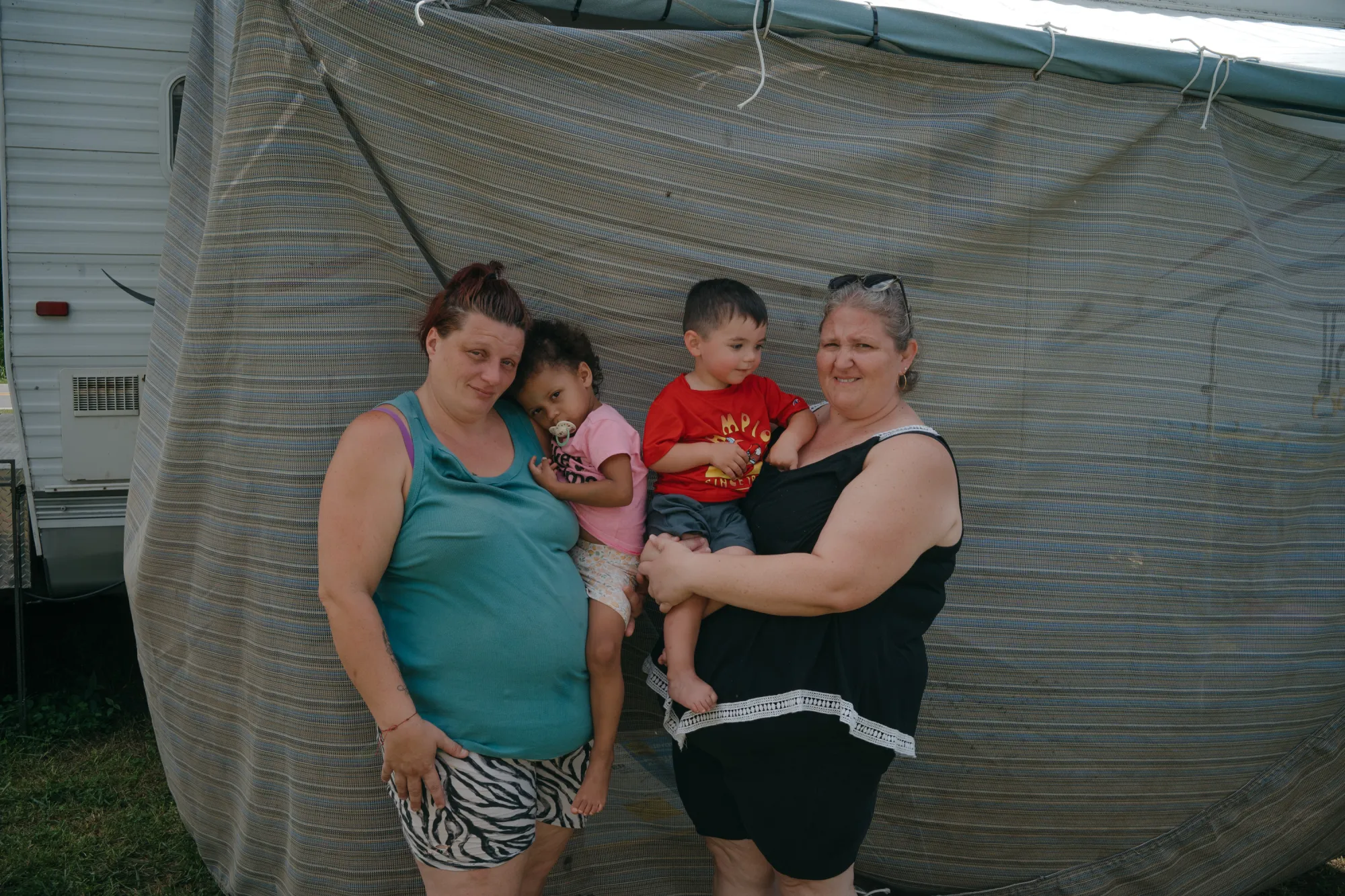
At the park where the Rogerses lived, five campers now sit on riverfront lots where mobile homes were anchored into the soil until Helene hit.
Weaknesses in flood policy revealed themselves in the Texas Hill Country, too, when floods claimed more than 130 lives over the July 4 weekend in 2025. The majority of the people who died in the 2025 Central Texas floods were in places identified as flood-prone by the federal government, our analysis showed.
The Hill Country floods highlighted issues about missed evacuation orders and the need for robust emergency action plans. In the months that followed, the Association of State Floodplain Managers developed model ordinances that require annual permits for campgrounds in floodplains, updated emergency plans and restrictions on building floodways.
Chad Berginnis, the director of the ASFM, likened the minimum federal requirements to a standard recipe and said states can do more. He told me how the state of Wisconsin requires anyone who seeks to even move dirt in the floodway to have an engineer certify that it won’t raise the flood level.
If you are a part of the network of disaster response and recovery partners, we need your help to build a comprehensive picture of the real conditions across the country.
Texas has more structures in flood-prone areas than any state besides Florida, according to a nationwide structure analysis by ProPublica and the Tribune. The Texas Legislature has repeatedly failed to pass bills that would allow local leaders to curb potentially unsafe development, the two newsrooms found. Without major changes, that means the same federal, state and local rules that allowed residents to live near the Guadalupe River are allowing many of them to rebuild there after the floods.
As the Tribune’s Emily Foxhall reported, Joan Connor and David Stearns were one couple who were determined to get back in their home after surviving the 2025 floods by clinging to their pergola. With help from volunteers who repaired the storm damage and donated furniture, they were home by Christmas. It took less than a year for their home to fill with water again. They still plan to repair the house.
Likewise, in Western North Carolina’s Haywood and Buncombe counties, residents are going back to the same locations that were destroyed by storms, including the lot where Rogers lost everything during Helene. Rogers wonders how the local and federal government can keep allowing people to live in harm’s way.
“Ain’t that the definition of insanity: keep doing the same thing, hoping for a different result?” Rogers said. “They’re going to — I hope none of them does, you know — lose a spouse and everything that they own.”
