


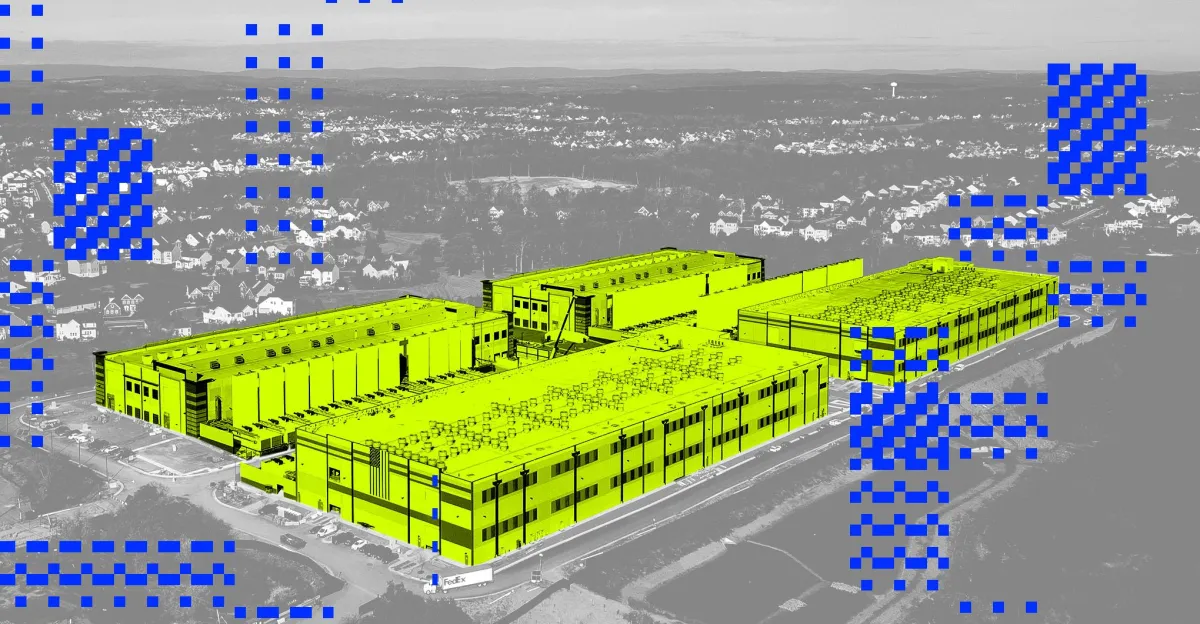
Just as new data centers face growing backlash from neighboring communities, the US Environmental Protection Agency (EPA) is about to make it harder for people to weigh in on any pollution those centers create.
The EPA plans to toss out a federal rule requiring public notice and an opportunity to comment when certain industrial sites apply for an air permit. Advocates warn that the move would allow data center developers and other industries to break ground without giving nearby residents a say, or even a warning that construction is planned.
“You can see why that would be so interesting to an administration that wants to rush through the construction of data centers,” says Keri Powell, senior attorney and air program leader at the Southern Environmental Law Center (SELC). “What EPA would be allowing would be all of those facilities to go through and just not have to deal with the public, issue the permits in secret behind closed doors. Nobody knows what’s happening until the bulldozers are out there.”
“Nobody knows what’s happening until the bulldozers are out there.”
The EPA’s proposed changes apply to a permitting process that’s been in place since the 1970s called New Source Review that applies to a wide range of facilities, from landfills and paper mills to power plant expansions. More recently with the rise of generative AI, these permits have also become a flashpoint for opposition to new data centers, as well as to power plants built to provide electricity for all those servers.
In July, the EPA announced that it would eliminate the federal public participation requirement for a large set of polluters and place that burden on states. The plan would leave it up to state and local air agencies to decide whether or not to notify the public about certain new sources of pollution — leaving advocates concerned that many of these agencies would forgo the process altogether. Air pollution is often regulated at the federal level because it can waft across the country, affecting residents in one state even if the source is in another.
“The state and local authorities closest to the issues and the public should be making the decisions on the permitting process as much as possible, not Washington,” EPA administrator Lee Zeldin said in a statement at the time. “We are cutting unnecessary and burdensome red tape.”
The change applies to so-called “minor” sources of pollution, which the EPA says in its announcement “have relatively low emissions and limited environmental impact.” Powell’s group contends that the “minor” label is a misnomer and that the permitting process routinely covers projects that can have significant consequences for their neighbors.
Colossus 1, xAI’s massive data center in Tennessee that the company billed as the “most powerful AI training system yet,” applied for a minor source permit in 2025. That led to a hearing and elicited thousands of comments to a public notice posted by the local health department, Inside Climate News reported last year. The SELC and NAACP threatened to sue xAI for installing unpermitted gas turbines at the site the same year.
SELC was one of nearly 200 health and environmental groups that filed comments last Friday asking the EPA to withdraw its proposal on New Source Review. They argue that by mandating public comment, residents can provide agencies with valuable insight on the repercussions of building a new data center or other industrial facility.
“[The EPA’s proposal] could deprive the agencies making decisions about these [pollution] sources the necessary lived experience data of those communities. Without that information, it is impossible for permitting agencies to evaluate the full, cumulative impact of these facilities,” Kentucky Resources Council Senior Attorney Byron Gary said in a press release.
The public comment period for the EPA’s proposal ended last week, and EPA spokesperson Carolyn Holran says in an email to The Verge that they’re still reviewing all the comments submitted — more than 4,900 that need to be addressed before the agency can finalize its rule.
