

Close Menu
NCIJ Network NCIJ Network
    What's Hot

    Bayeux tapestry loan symbolises ‘entente amicale’ between France and UK, says King Charles | Bayeux tapestry

    September 2, 2026

    Trump Administration Sides With OpenAI in New York Times Copyright Lawsuit

    September 2, 2026

    OpenLeash Adds a Human Check to Risky AI Agent Actions

    September 2, 2026
    Facebook X (Twitter) Instagram
    Trending
    • Bayeux tapestry loan symbolises ‘entente amicale’ between France and UK, says King Charles | Bayeux tapestry
    • Trump Administration Sides With OpenAI in New York Times Copyright Lawsuit
    • OpenLeash Adds a Human Check to Risky AI Agent Actions
    • Uniswap swap record hits 82 per second as fee gap remains
    • NASA Revamps Challenge Linking Community College Studies to Aerospace Careers
    • The Guardian view on Israeli settlements: Britain can no longer look away | Editorial
    • Did Olivia Rodrigo donate $10M to abortion organizations? Claim omits key context
    • Spanish report flags Moroccan police’s ‘total permissiveness’ in Ceuta migrant rush
    • About
      • Our Team
      • Editorial Policy
      • Editorial Independence
      • International Support
    • Trust & Standards
      • AI Usage Policy
      • Conflict of Interest Policy
      • Corrections Policy
      • Ethics Policy
      • Fact-Checking Policy
      • Source Protection
    • Get Involved
      • Guide for Sources
      • Support Independent Journalism
    • Legal
      • Cookie Policy
      • Privacy Policy
      • Terms of Use
    Facebook X (Twitter) Instagram
    NCIJ Network NCIJ Network
    Wednesday, September 2
    • Home
    • World
    • Ai
    • Business
    • Politics
    • Health
    • Crypto
    • Science
    • Technology
    • Cybersecurity
    • Defense & Security
    • Economy
    • Energy
    • Europe
    • More
      • Fact Check
      • Investigations
      • Opinion & Analysis
      • Environment
    NCIJ Network NCIJ Network
    Home»Technology

    Trump Administration Sides With OpenAI in New York Times Copyright Lawsuit

    NCIJ NETWNCIJ NETWORKBy NCIJ NETWNCIJ NETWORKSeptember 2, 2026 Technology No Comments4 Mins Read
    Share
    Facebook Twitter LinkedIn Pinterest Email

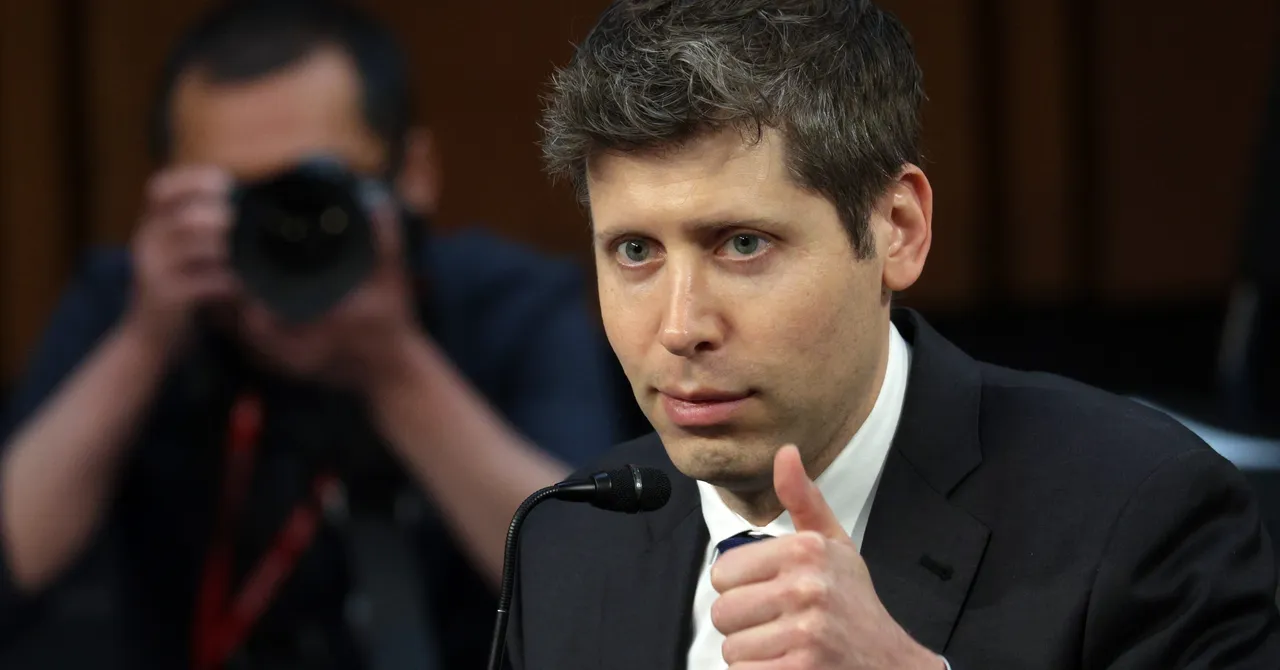
    The Trump Administration just took OpenAI’s side in the artificial intelligence company’s legal battle with the New York Times.

    The media juggernaut sued OpenAI and Microsoft in 2023, alleging that the companies had violated copyright law by training their AI tools on its articles without permission. Now, the government has stepped in, arguing that OpenAI’s actions were within bounds.

    On Tuesday, the federal government submitted a letter to the court stating that the United States has a “strong interest” in whether AI training on copyright works is considered “fair use,” because it connects to whether the country’s AI industry can “retain global leadership in artificial intelligence.” (The “fair use” rule shields certain uses of copyrighted materials.)

    The letter argued that the Times’ definition of fair use is “inconsistent” with current copyright law, and that a win for the paper could have disastrous consequences. “Constraining LLM development under a misunderstanding of fair use doctrine would thwart such creative and scientific progress while hindering American prosperity and economic mobility,” lawyers for the government wrote.

    While the letter focuses on the New York Times and OpenAI, the government noted that its arguments apply to all of the parties in this case and related cases, including other publishers and authors.

    Training LLMs on copyrighted works is considered “extraordinarily transformative,” meaning that these systems meaningfully change their inputs, the administration argued. The administration also wrote that OpenAI’s LLMs do not significantly compete with The New York Times’ articles. Courts consider both of these conditions, as well as others, when deciding if the fair use doctrine is met.

    Conflating AI training with what artificial intelligence tools produce would lead to “problematic implications for copyright law generally” by implying that it would be similarly illegal for human writers to practice their craft by training on the words of others, per the letter. (The lawyers compared it to how a teenage Joan Didion typed out Ernest Hemingway’s stories to figure out how to write.)

    Evan Brown, an intellectual property lawyer with the firm Neal & McDevitt, tells WIRED that the US district judge overseeing this case, Sidney H. Stein, is not obliged to let this letter influence his ultimate decision. However, Brown says that Stein and other judges overseeing cases like this will almost certainly “take it quite seriously because it comes from the Department of Justice, and inherently carries a lot of weight.”

    Pamela Samuelson, a copyright lawyer who codirects the Berkeley Center For Law & Technology, tells WIRED that the government’s brief is a “significant development,” and one which is consistent with AI copyright rulings thus far.

    “The Administration is siding with a handful of trillion-dollar AI companies at the expense of the countless American creators whose work they stole,” New York Times spokesperson Graham James tells WIRED. “Both AI and creators can thrive–AI companies simply need to pay fairly for the content that makes their products possible, as copyright law requires.”

    OpenAI and Microsoft did not immediately respond to WIRED’s request for comment.

    Other plaintiffs are unhappy at the government’s incursion. Mary Rasenberger, the chief executive of the Author’s Guild—which filed its own lawsuit against OpenAI in 2023—tells WIRED that the nonprofit is “extremely disappointed” about the letter, which she calls ”replete with faulty arguments and a gross misunderstanding of the fair use doctrine and copyright law.”

    There are dozens of ongoing, high-profile lawsuits over the legality of AI companies training their tools on copyrighted work. The two biggest decisions so far took place last year. Meta technically won its copyright case, Kadrey v. Meta, although the judge noted that the plaintiffs did not produce enough evidence that the training caused them harm while stressing that in other circumstances, training on copyrighted materials without permission might indeed be illegal.

    administration copyright lawsuit OpenAI sides Times Trump York
    NCIJ NETWNCIJ NETWORK
    • Website

    Keep Reading

    As Trump Throws a Midterm Party, Some Vulnerable Republicans Send Regrets

    Dutch central bank moves gold bars out of New York over ‘geopolitical unrest’

    1Password wades into a right-wing mess after funding a Linux project

    Trump Administration Launches Blitz to Find Elusive Voter Fraud Ahead of Midterms

    X shifts US creator payouts from Stripe to X Money

    Meet Switchyard: A Rust Proxy and Library That Routes and Translates LLM Traffic Across OpenAI and Anthropic APIs

    Add A Comment
    Leave A Reply Cancel Reply

    Editors Picks

    Bayeux tapestry loan symbolises ‘entente amicale’ between France and UK, says King Charles | Bayeux tapestry

    September 2, 2026

    Trump Administration Sides With OpenAI in New York Times Copyright Lawsuit

    September 2, 2026

    OpenLeash Adds a Human Check to Risky AI Agent Actions

    September 2, 2026

    Uniswap swap record hits 82 per second as fee gap remains

    September 2, 2026
    Latest Posts

    Australia news live: Reformers member tells hearing he used factional funds to pay for bucks night; Taylor refuses to answer multiple Icac-related questions | Australia news

    July 31, 2026

    Trump administration to end Medicare Part D subsidy program. Will costs increase?

    July 31, 2026

    FP Live: Daniel Yergin on Why Energy Prices Didn’t Soar Higher This Year

    July 31, 2026

    Subscribe to News

    Get the latest sports news from NewsSite about world, sports and politics.

    NCIJ Network is an independent digital news platform delivering trusted investigative journalism, European and global news, in-depth analysis, and fact-based reporting with accuracy, transparency, and integrity.

    Facebook X (Twitter) Instagram Pinterest YouTube

    Bayeux tapestry loan symbolises ‘entente amicale’ between France and UK, says King Charles | Bayeux tapestry

    September 2, 2026

    Trump Administration Sides With OpenAI in New York Times Copyright Lawsuit

    September 2, 2026

    OpenLeash Adds a Human Check to Risky AI Agent Actions

    September 2, 2026

    Subscribe to Updates

    Get the latest creative news from FooBar about art, design and business.

    Type above and press Enter to search. Press Esc to cancel.