


Three more African countries have joined calls for a precautionary pause on deep-sea mining until the environmental, social and economic impacts of such mining are better understood. This brings the number of African countries supporting a moratorium to six.
Mauritius, Mozambique and the Republic of the Congo announced support for the precautionary pause during the annual meeting of the International Seabed Authority (ISA) in Kingston, Jamaica, in July, joining Malawi, Kenya and Madagascar.
The government of Mauritius said in its statement during the ISA meeting that “the sustainable development of Mauritius is inextricably dependent on a healthy and resilient ocean.”
Mauritius officials stressed that decisions regarding deep-seabed mining must be made based on “best available scientific evidence and by the precautionary approach, as enshrined in the United Nations Convention on the Law of the Sea.”
Malawi was the first African country to support a precautionary pause in May 2026. Kenya and Madagascar followed in June.
“The basis for all of these countries, while taking into account their individual contexts, is the lack of sufficient science and the governance gaps that persist,” David Willima from the Deep Sea Conservation Coalition (DSCC), a group of more than 140 NGOs and organizations, told Mongabay via email.
The six African nations are among 46 countries globally that support a moratorium or precautionary pause on deep-seabed mining.
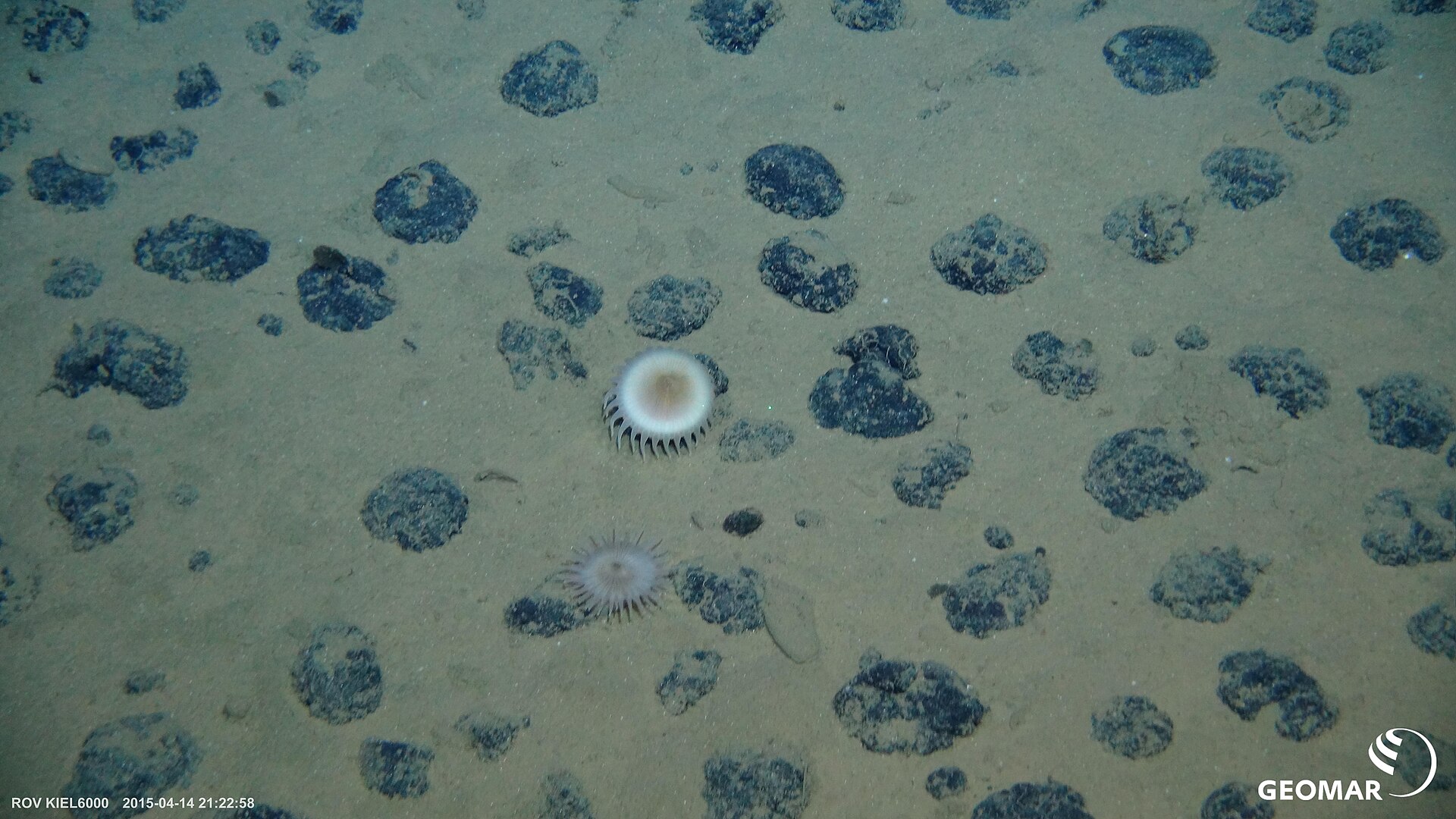
The ocean floor in the deep sea has small, hard rocks called polymetallic nodules that contain minerals like nickel, cobalt and manganese. Countries and companies want to mine these minerals for renewable energy and defense technologies.
The push for a moratorium or precautionary pause emerged in 2019 from gaps in scientific knowledge about the larger environmental impacts of mining for the nodules in international waters.
Joel Matonga, senior legal officer at the Malawian Ministry of Foreign Affairs, told Mongabay in a phone interview that Malawi decided to be the first African country to announce its stand as, like other developing nations, it is bearing the brunt of a warming ocean and a changing climate.
“We have had an increase in cyclones originating from the Madagascan area, the worst one being Cyclone Freddy in 2023 which caused devastating effects that led to a lot of fatalities and the displacement of people,” Matonga said.
During the two-week ISA meeting, Kenya, which is pro-moratorium, was allocated a seat for the first time on the 36-member ISA Council where rules governing the exploitation of deep-seabed mining are negotiated.
Willima of the DSCC said that with 10 seats on the ISA Council, Africa has a strong voice in shaping the rules, including developing environmental safeguards and benefit-sharing.
“The challenge will be turning that numerical strength into a common negotiating position despite divisions between mining interests and the growing precautionary-pause camp,” he said.
Banner image: Manganese nodules on the seafloor in the Clarion-Clipperton zone that’s been considered for deep-sea mining. Image by ROV KIEL 6000, GEOMAR – Geomar Bilddatenbank via Wikimedia Commons (CC BY 4.0).
