

Close Menu
NCIJ Network |NCIJ Network |
    What's Hot

    My Week of Transparent Living With Apple’s ‘More Clear’ Liquid Glass Setting

    July 23, 2026

    New Check Point Zero-Day Vulnerability Exploited in the Wild

    July 23, 2026

    BitMEX to Close on September 23, Halts New Sign-Ups

    July 23, 2026
    Facebook X (Twitter) Instagram
    Trending
    • My Week of Transparent Living With Apple’s ‘More Clear’ Liquid Glass Setting
    • New Check Point Zero-Day Vulnerability Exploited in the Wild
    • BitMEX to Close on September 23, Halts New Sign-Ups
    • NASA Sets Coverage for Astronaut Chris Williams, Crewmates Return
    • Amazon tree rings reveal more intense drought and rainfall in the rainforest
    • Iran War: Why Oil Market Spikes Are More Likely Than Trump Believes
    • Thousands of tourists forced to evacuate as fire rages in southwest France
    • World Cup 2026: Fabian Ruiz and Gavi get weight in tomatoes for win
    • About
      • Our Team
      • Editorial Policy
      • Editorial Independence
      • International Support
    • Trust & Standards
      • AI Usage Policy
      • Conflict of Interest Policy
      • Corrections Policy
      • Ethics Policy
      • Fact-Checking Policy
      • Source Protection
    • Get Involved
      • Guide for Sources
      • Support Independent Journalism
    • Legal
      • Cookie Policy
      • Privacy Policy
      • Terms of Use
    Facebook X (Twitter) Instagram
    NCIJ Network |NCIJ Network |
    Thursday, July 23
    • Home
    • World
    • Ai
    • Business
    • Politics
    • Health
    • Crypto
    • Science
    • Technology
    • Cybersecurity
    • Defense & Security
    • Economy
    • Energy
    • Europe
    • More
      • Fact Check
      • Investigations
      • Opinion & Analysis
      • Environment
    NCIJ Network |NCIJ Network |
    Home»Science

    Scientists revive a powerful antibiotic that superbugs had defeated

    NCIJ NETWNCIJ NETWORKBy NCIJ NETWNCIJ NETWORKJuly 23, 2026 Science No Comments3 Mins Read
    Share
    Facebook Twitter LinkedIn Pinterest Email

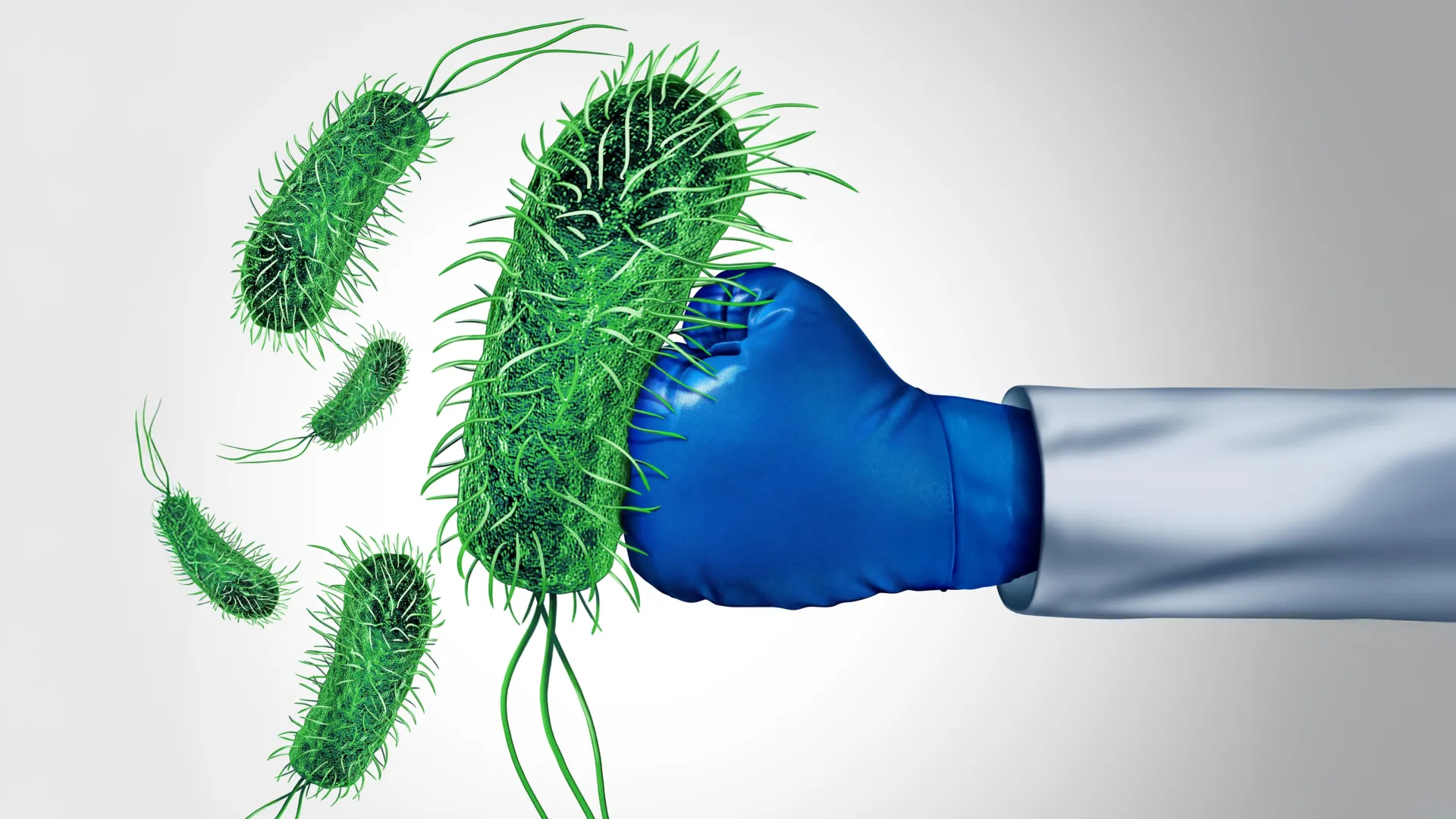
    Antibiotic resistance is becoming one of the most serious dangers facing modern medicine. As bacteria evolve, drugs that once worked reliably can lose their effectiveness. This makes common infections harder to treat and can increase the risks associated with routine surgery, cancer care, and other medical procedures.

    Researchers worldwide are searching for ways to stay ahead of these rapidly changing microbes. One promising strategy is not to invent a completely new antibiotic, but to help existing drugs work again. This is the idea behind antibiotic adjuvants, which are companion molecules that do not kill bacteria directly but instead restore the power of antibiotics.

    Building New Molecules to Speed Drug Discovery

    Professor John Moses and his team at Cold Spring Harbor Laboratory (CSHL) have spent years developing chemical reactions that can make the drug discovery process faster and more efficient.

    The researchers use a technique called diversity oriented clicking (DOC), which was created in the Moses laboratory. With this method, they have built a library containing more than 150 different compounds. Molecules from this collection have already contributed to research on both antibiotic resistance and cancer.

    Now, through a collaboration with Scripps Research, the library has helped scientists restore the effectiveness of vancomycin. This powerful antibiotic is commonly used against severe infections, including those caused by MRSA and Clostridium difficile (C. diff). Both pathogens can develop resistance and become “superbugs” that evade frontline drugs such as vancomycin. They can then spread through hospitals, nursing homes, and communities.

    Restoring Vancomycin Against Resistant Bacteria

    In the new study, scientists from the Moses laboratory at CSHL worked with Professor Howard Hang’s team at Scripps to identify a way to make vancomycin effective again.

    The researchers targeted a bacterial enzyme called secreted antigen A (SagA). They blocked the enzyme using a small molecule known as pghi-4, which was first discovered in the Moses laboratory in 2020.

    When drug-resistant E. faecium was treated with both vancomycin and pghi-4, the antibiotic regained its ability to kill the bacteria.

    For Moses, one of the most notable parts of the finding is that the research did not begin as a direct search for a new antibiotic.

    “This discovery came from fundamental chemical research,” he explains. “Reaction development led to the discovery of the first inhibitor of an important enzyme involved in antibiotic resistance. This is a process we’re constantly refining to both keep our library of molecules up to date and add more for collaborators to take advantage of in their research.”

    A Broader Strategy Against Superbugs

    By making the molecular library available to other researchers, the team hopes similar approaches could eventually lead to treatments for additional drug-resistant infections. These could include resistant forms of tuberculosis.

    “This work reflects a philosophy of chemistry that’s designed to accelerate drug discovery in its purest form,” says Moses. “By using reliable, robust, and intelligent chemical reactions, we can build new molecules more efficiently. That’s exactly the approach we used here.”

    As antibiotic resistance grows around the world, the findings show that important medical advances may come from rethinking the chemistry of drugs that already exist. A future treatment may begin not with a new antibiotic, but with a carefully designed molecule that helps an old one work again.

    Funding

    National Institutes of Health, National Cancer Institute, Australian Research Council, New York State Biodefense Commercialization Fund, F.M. Kirby Foundation, Starr Foundation

    antibiotic defeated powerful revive Scientists superbugs
    NCIJ NETWNCIJ NETWORK
    • Website

    Keep Reading

    NASA Sets Coverage for Astronaut Chris Williams, Crewmates Return

    Olympic Mountain Glory – NASA Science

    Drought announcement looms for parts of Wales over river levels

    In painted caves, ancient human DNA clings to the walls

    Watch an orca ram into a sunfish so hard it explodes

    MIT’s new lidar chip could give self-driving cars a wider view

    Add A Comment
    Leave A Reply Cancel Reply

    Editors Picks

    My Week of Transparent Living With Apple’s ‘More Clear’ Liquid Glass Setting

    July 23, 2026

    New Check Point Zero-Day Vulnerability Exploited in the Wild

    July 23, 2026

    BitMEX to Close on September 23, Halts New Sign-Ups

    July 23, 2026

    NASA Sets Coverage for Astronaut Chris Williams, Crewmates Return

    July 23, 2026
    Latest Posts

    Trump slaps 50% tariffs on Canada and Carney vows to ‘intensify’ trade talks

    July 21, 2026

    How Two Brothers Dug for Dead Relatives: With a Shovel and a Kitchen Knife

    July 21, 2026

    Chile floods: Towns evacuated following heavy rain in Coquimbo

    July 21, 2026

    Subscribe to News

    Get the latest sports news from NewsSite about world, sports and politics.

    NCIJ Network is an independent digital news platform delivering trusted investigative journalism, European and global news, in-depth analysis, and fact-based reporting with accuracy, transparency, and integrity.

    Facebook X (Twitter) Instagram Pinterest YouTube

    My Week of Transparent Living With Apple’s ‘More Clear’ Liquid Glass Setting

    July 23, 2026

    New Check Point Zero-Day Vulnerability Exploited in the Wild

    July 23, 2026

    BitMEX to Close on September 23, Halts New Sign-Ups

    July 23, 2026

    Subscribe to Updates

    Get the latest creative news from FooBar about art, design and business.

    Type above and press Enter to search. Press Esc to cancel.