



- Illegal wildlife trade, primarily catering to Chinese nationals, is thriving in Cambodia, according to a new undercover investigation by Earth League International, a U.S.-based NGO fighting environmental crime.
- Investigators identified five kingpins allegedly running transnational criminal networks in Cambodia that are involved in wildlife smuggling, human and drug trafficking and operate scam centers that defraud targets of money. ELI also mapped trade networks and gathered information on what species are sold and who buys them.
- The report found many endangered animals and their parts, including tigers, elephants, rhinos and pangolins, openly sold mostly to high-ranking government officials, Chinese expats, wealthy businessmen and Chinese tourists.
- The report urges China to act against Chinese scam center owners and corrupt officials who facilitate illegal activity and wildlife trade, along with reducing demand for endangered species within its borders.
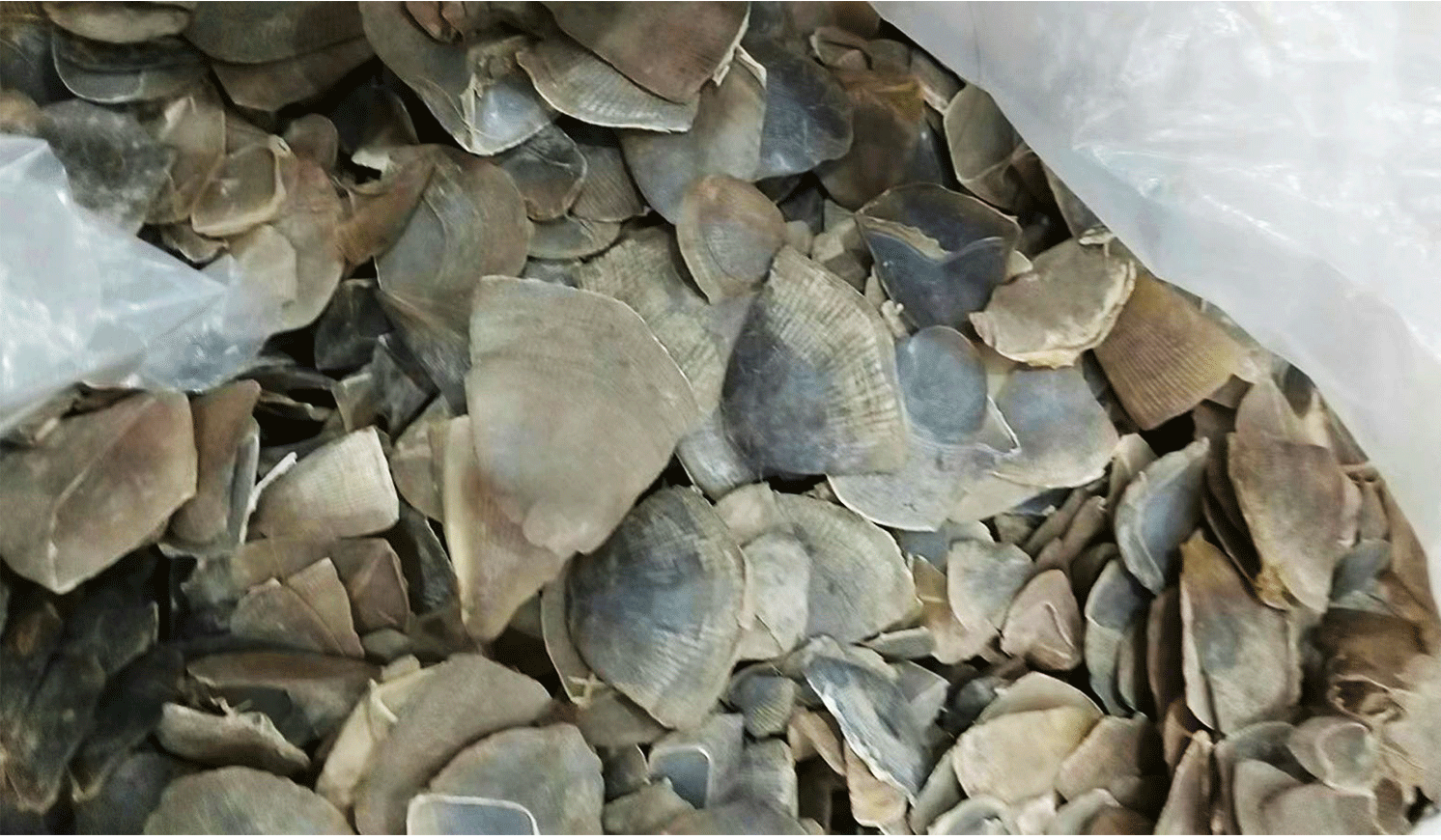
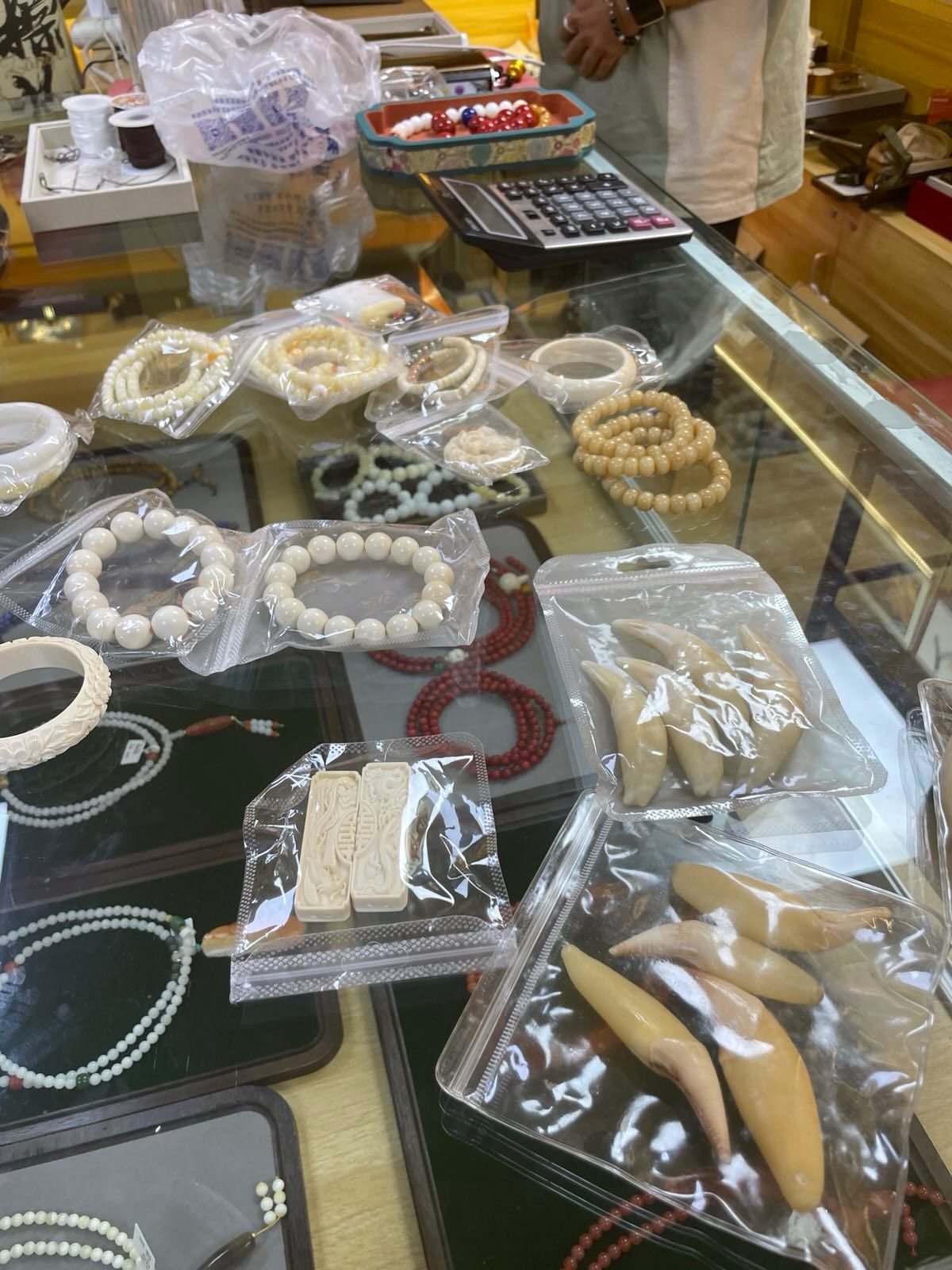
Tiger bone wines in exquisite bottles. Tiger cubs sold alive as pets or served as a culinary delicacy alongside pangolin and cobra meat at exclusive restaurants. Rooms filled with rhino horns and elephant ivory, stacks of freshly skinned tiger pelts and bags of pangolin scales. Jewelry made from protected corals and ivory.
This is just a glimpse of the thriving illegal wildlife trade in Cambodia discovered by undercover investigators from Earth League International (ELI), a U.S.-based NGO that probes environmental crime.
From 2025-26, ELI investigators mapped out the people involved in this illicit enterprise and identified five main kingpins allegedly running it. They gathered details on how cartels smuggle wildlife and their parts, what they sell and who their main customers are. They also linked this black-market trade with human and drug trafficking networks and scam centers operating out of Cambodia that defraud their targets.
The investigators’ findings of this operation — named Sandokan after a fictional 19th-century pirate from Southeast Asia — are published in a new report.
The yearlong investigation revealed a huge demand for wildlife products within Cambodia, fueled by wealthy Chinese and Cambodian buyers.
“It’s a trafficking enterprise, and a good example of what happens when you don’t do anything … they grow and grow and grow, and at the end, the damage is substantial,” said Andrea Crosta, executive director of ELI. “The big surprise was the incredible quantity of wildlife in the hands of these people.”
Cambodia is a recognized hub of the illegal wildlife trade, with most products destined for China. But little is known about the scale of the domestic trade and, before now, the cartel bosses who allegedly run these criminal networks.
“What very often you don’t know is who are the biggest players — who are the ‘ghosts’ who run the show,” Crosta said. “Our work is to give a name and a face to these ‘ghosts’ so they’re not invisible anymore, because as long as they are invisible, they can do whatever they want.”
“I think it’s an excellent piece of work,” said Debbie Banks. She serves as the tiger and wildlife crime campaign lead at the U.K.-based Environmental Investigation Agency (EIA), which also investigates wildlife crimes in Southeast Asia. Banks was not involved in this operation, but EIA has previously uncovered illegal commerce in tiger parts in Laos and Vietnam in operations that also targeted Chinese nationals.
“There’s a lot of similarities in terms of how these networks are operating, and the role of the Chinese businesses and Chinese criminal enterprises,” Banks said, comparing the current report’s findings to her work. “That’s interesting.”
“The investigation clearly shows that illegal wildlife trade is linked between Southeast Asian countries and China,” said Russell Gray from the Global Initiative against Transnational Organized Crime, a Swiss organization that didn’t participate in this investigation. He noted that the report reveals a much larger network and a global supply chain. “This is a wide-ranging international issue,” he said.
A trafficking enterprise allegedly operated by Chinese kingpins
Investigators say they identified five cartel kingpins operating in Cambodia who allegedly run transnational criminal networks that smuggle wildlife from across the world.
ELI reported that all are of Chinese descent and are well connected within Cambodia. Two of them are believed to be the biggest wildlife traders in the lower Mekong region. The public report leaves them nameless; another version handed over to U.S. authorities identified all involved.

“Wildlife trafficking in Southeast Asia is in the hands of Chinese nationals by 90%,” Crosta said. He added that they have strong business ties in the region, with investments in real estate and a mix of legal and illegal businesses that include restaurants and clubs as well as scam centers. They are “very, very prolific” wildlife traffickers, Crosta said.
His team found that the two they identified as the largest traffickers own at least nine shops in Cambodia. Investigators saw many endangered wildlife products sold openly in their shops as well as online, sometimes to customers in other countries.
Other businesses include a factory that carves rhino horn and ivory and a brewery for making tiger bone wine — an expensive alcoholic beverage brewed with tiger bones that’s often sold in ornate tiger-shaped bottles. Though it’s been used as traditional Chinese medicine for millennia, it’s now become a pricey prestige item. Serving or gifting tiger bone wine is a way to flaunt status or seal a deal.
Investigators also identified middlemen and buyers, including restaurant owners, businessmen and traffickers.

One individual said he raised lions, tigers and primates on his properties — and allegedly trafficked primates, birds and bear parts, according to the investigation. Another said he smuggled wildlife products and narcotics to the West. Yet another said his role was logistics, claiming he could help traffic anything because he had close connections to Cambodian customs officials as well as the country’s political, military and business elites.
Meanwhile, the kingpins reportedly said they could supply any species that customers wanted: tigers, elephants, rhinos, pangolins, sea turtles, coral, bears, primates and birds of prey — either alive, dead or in parts.
They said they had suppliers across the globe, in Africa, Europe, Russia and South Asia.
International trade in endangered species is banned under CITES, a global wildlife trade treaty, and under Cambodian law. Online trade of wildlife, however, is not regulated in the country.
Mongabay contacted Cambodia’s Ministry of Environment for comments on the investigation’s findings, but did not receive a response by the time of publication.

Tigers on the menu, cubs in wine bottles
The report found a thriving trade in tigers and their parts in Cambodia. It identified the two traffickers as the major suppliers, selling bones and full skeletons to make tiger wine and offering tiger meat to exclusive restaurants in the capital, Phnom Penh, that are frequented by high-ranking Cambodian government officials and wealthy Chinese businessmen.
However, these elite dining establishments didn’t just serve tiger meat and wine, the investigation found. They offered pangolin, cobra, red panda and golden pheasant, among other wildlife dishes, with pictures of these animals displayed on the menu.
Tiger cubs, too, were offered as a delicacy. A promotional video for a holiday menu advertised cubs alongside other wildlife. The cubs were also used to make wine.

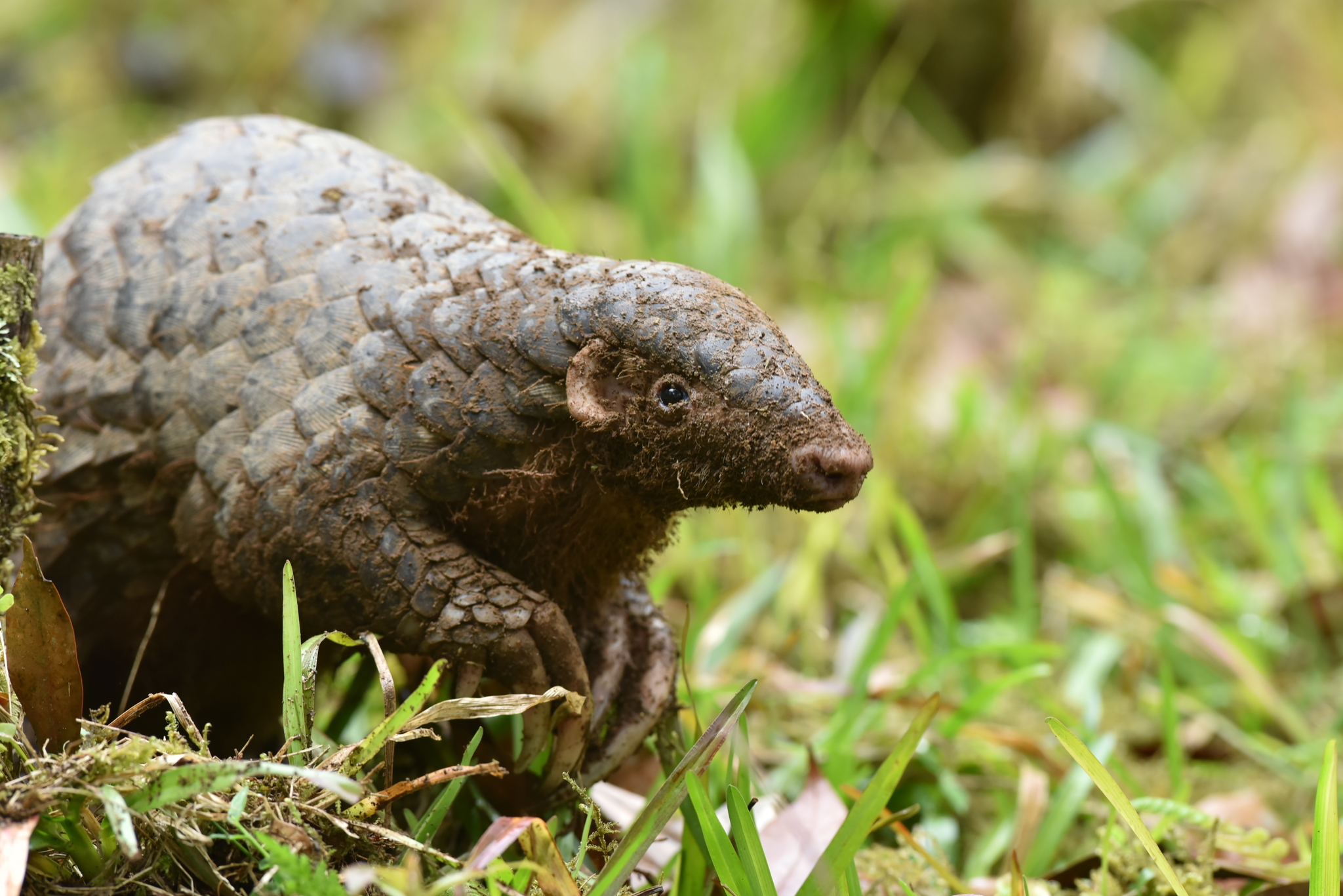
ELI reported that pangolin meat sold for about $120 per kilogram ($54.50 per pound) — and the customer could keep the scales, which are prized in traditional medicine as a purported treatment for numerous illnesses.
Tiger bones sold for up to $1,975 per kg ($897 per lb) and tiger penis went for about $2,633 per kg ($1,197 per lb). The report stated that Chinese embassy officials in Cambodia were major consumers of tiger penis wine, which sold for $1,200 a bottle in 2025.
ELI investigators estimated that Cambodia’s appetite for tigers is so high that traffickers may kill at least a tiger a week to keep up with the demand.
Some tigers are poached from the wild, investigators found. Wild tigers are mostly smuggled from India — the cat’s stronghold, with more than 3,600 wild tigers. India spends about $30 million each year protecting its tigers, but there’s been a spike in poaching in recent years.


Other cats in trade come from “tiger farms” that raise them like pigs and chickens for slaughter. Tigers are mass-bred in captivity in Cambodia, Vietnam, Laos, Thailand and China. A few years ago, CITES sent investigators to those four nations, as well as South Africa, the U.S. and the Czech Republic to probe facilities that commercially breed tigers.
“The scale of the consumption of tigers is new and quite shocking,” Banks from EIA said. “There are tiger cubs in trade as well that suggests quite a lot of captive tigers.” She considers it surprising that the scale has gone undetected for so long by the authorities, “when tiger farming has obviously been a big issue at CITES.”
Banks hoped the report’s findings would prompt further investigations into Cambodia’s tiger trade.
Report casts shadow on Cambodia’s plan to reintroduce wild tigers
Cambodia is also in talks with India to bring Bengal tigers for a proposed plan to reintroduce them in the Cardamom Mountains. The last official sighting of a wild tiger in Cambodia was in 2007, and they were declared “functionally extinct” there a decade ago. Banks said she’s worried how those tigers, if they were brought into the country, would fare.
“I would urge everyone to take a beat and really review the prospects for success in that endeavor,” Banks said. “The lack of enforcement, the reported corruption and complicity — that is not a good environment to put tigers back into the country. They’ll be at extreme risk, and I think all those involved in seeking the return of tigers into the wild in Cambodia should be holding the government to account to respond and demonstrate effective enforcement.”
She said Cambodian authorities must do “proper investigations and prosecutions” that deter tiger farming and the trade revealed in the report. “Unless that is dealt with, the fate of any tigers returned to Cambodia is very gloomy.”

China is a top destination for most wildlife products in Cambodia
Traffickers often smuggle wildlife contraband along circuitous routes. “These products originate in the range states of species such as rhinos. They may then be smuggled through countries with weaker governance or enforcement; moved by air or sea transport companies that may or may not know what they are carrying; passed through additional criminal or commercial nodes; and eventually sold to end users in consumer markets,” said Gray with the Global Initiative against Transnational Organized Crime.
Illegal wildlife products arrive in Cambodia on planes, ships and via land transport, the report found. Ivory, for instance, enters the country from Mozambique, Angola, Kenya and Cote D’Ivoire.
Once in the country, shipments are repacked and relabeled, often with fake permits to evade detection — and then are exported to China, frequently transiting through Malaysia, Singapore or Hong Kong. Some products, such as rhino horn and tiger teeth, are crafted into jewelry in Cambodia before being shipped to China.
On land, porous borders in Southeast Asia make it easier to smuggle these products to China, the report found. Traffickers said they bribed port officials on both the Myanmar and Chinese sides of the Mekong River to turn a blind eye.

“A lot of the things that arrive in Cambodia go to China,” Crosta said. “Once it’s in China, it’s a kind of a black hole — it disappears and it’s almost impossible to understand where it goes.”
Gray said his organization’s work in the region has also confirmed that China is the “major consumer” of illegal wildlife products and they have seen sales directed at Chinese nationals, he said.
China is one of the world’s largest consumers of wildlife products, and Asia is a growing hub of trade.
A 2025 joint investigation by Mongabay and Gray’s organization, GI-TOC, detailed retail shops selling wildlife products to Chinese tourists on prearranged trips to Laos. In a follow-up 2026 investigation, these shops continued to sell illicit animal products.

Most tourists coming from China to Cambodia are government officials and state-owned company employees, the current report found.
Traffickers told ELI’s undercover investigators they used online platforms such as WeChat and Telegram to conduct transactions. It’s another example of a growing trend: The internet has become the Wild West for wildlife transactions, and it’s virtually impossible to police.
However, traffickers complained that profits have decreased and costs have increased as some countries are cracking down on wildlife trafficking.
Wildlife trafficking coexists with other crimes, corruption
ELI’s investigation found wildlife trafficking was interwoven with human and drug trafficking, prostitution rings and scam centers that dupe people with financial scams. Warehouses storing wildlife products were commonly located in Special Economic Zones (SEZs) — fenced enclaves with industries set up to draw foreign investments. Those buildings also housed methamphetamine and illegally logged timber.
Investigators reported that other businesses, such as casinos in SEZs, were used as fronts for money laundering. This model has thrived in Laos for more than a decade, as exposed by EIA in its 2015 Sin City report about the Kings Romans Casino in Laos’ Golden Triangle SEZ.
“It’s very, very important to understand this convergence [between criminal activities],” Crosta said, adding that it sheds light on the cartel’s multiple sources of income and trafficking networks. “These people are making millions of dollars every year from other kinds of crimes, so they would not waste their time on wildlife if it wasn’t very profitable as well.”

In Cambodia, ELI found owners of scam centers were heavily invested in wildlife products, spending some $20,000-$30,000 each week, either for their own use or to sell to Chinese tourists.
Corruption at the highest levels of government facilitates these crimes and protects the perpetrators, according to ELI investigators. Many high-ranking officials and businessmen from Cambodia have been sanctioned by the U.S. on charges of corruption, human rights abuses and human trafficking.
Cambodia is a known hotspot for environmental crime. For example, illegal logging is decimating its forests; illegal mining operations are poisoning its rivers; wildlife trafficking is rampant; and macaques are pulled from the wild and smuggled for biomedical research.
With corruption enabling these crimes, coupled with the high profits and low risks associated with wildlife trafficking, it’s challenging to fight it, experts say.
“It’s an uphill battle, and it’s a whack-a-mole,” Crosta said. “The way to go is intelligence-led undercover operations … If you just stop at seizures at the airport, [with a] little investigation here and there, arresting small-time people, nothing will change, ever.”
In 2025, Cambodia launched a campaign busting scam centers and arrested those running them. But many of the people involved with wildlife trafficking escaped to Laos and Myanmar and continued their operations, the report found.
“Wherever there’s a law enforcement response, these criminal networks adapt and they move to the next place,” Banks said. “Until there are actual arrests and prosecutions, then it is just a displacement. It’s not a real disruption.”

China could play a key role in disrupting trafficking
Governments in the region need to take the first step in dismantling criminal networks, experts who spoke to Mongabay said.
One step could be phasing out tiger farms that feed tigers into the black market trade. EIA and other environmental NGOs published a roadmap for governments interested in shutting down these farms, which hold some 8,900 tigers, according to their 2023 estimate. Recommendations include stopping all trade in captive tiger parts, licensing these facilities and auditing them.
Actions that have real impact take commitment, conservationists say. “It typically comes down to political willingness to intervene, capacities of law enforcement and prioritization of taking down networks versus taking down the easier targets [such as] smugglers, mules and poachers,” Gray said.
It’s not easy to control what Gray called “mafia-style activity,” because it’s “either too dangerous for law enforcement to take direct action without retaliation, or there is so much money involved that the right people are paid off to prevent action from being taken.”
Resource-strapped countries like Cambodia have additional challenges. “They don’t have the capacity, don’t have the tools,” Crosta said. “They absolutely need the collaboration of U.S. authorities, European authorities, Interpol, UNODC … They need collaboration in launching undercover operations targeting these [traffickers].”

He said that’s one reason why ELI shared a detailed report of their findings and the kingpins’ identities and their networks with U.S. law enforcement agencies, which have “a strong foothold” in Southeast Asia. The information, he said, “gives authorities the chance and enough intelligence to [further] investigate actively.”
The report urged China to act on scam centers run by its nationals in places where wildlife trafficking is prevalent. It also pointed to the importance of rooting out corrupt officials within the country, and creating awareness among tourists who come to Cambodia and other countries to buy endangered wildlife products.
“China has a responsibility to warn their citizens and protect them from these practices, educate them about the illegality of the products,” Gray said.
China should also educate law enforcement officers about the many ways traffickers bring endangered species into the country, as well as the social media channels used to promote sales, he said.
“With information like this, Chinese customs officials could detect and prevent smuggling of illicit wildlife goods into China while also running demand reduction campaigns in the meantime,” Gray said.
Banner image: Tigers in Rajasthan, India. The country is a stronghold of wild tigers, and the ELI report found that most of the wild tigers smuggled into Cambodia came from India. Image ©Uday Agashe via iNaturalist (CC BY-NC 4.0).
Spoorthy Raman is a staff writer at Mongabay, covering all things wild with a special focus on lesser-known wildlife, the wildlife trade, and environmental crime.
Bengal tigers in Cambodia? Reintroduction plan raises questions
Large-scale illegal wildlife shops in Laos found scamming Chinese tourists
Facebook is a hub for illegal wildlife trade, and that’s by design, report says
FEEDBACK: Use this form to send a message to the author of this post. If you want to post a public comment, you can do that at the bottom of the page.

