


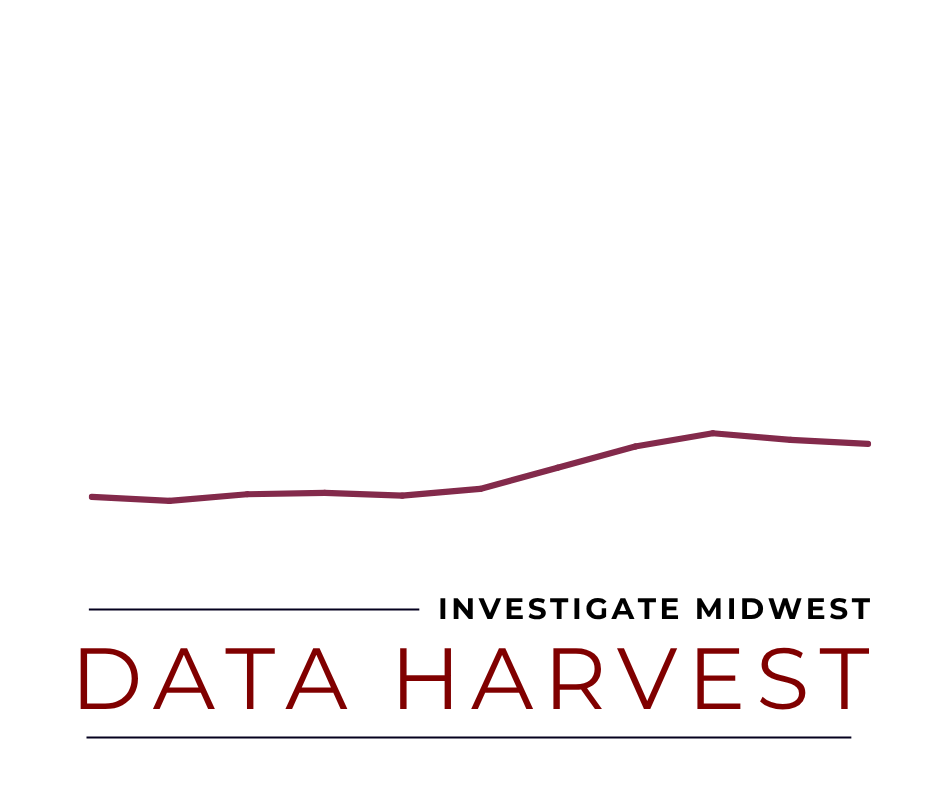
After four years of increases, Illinois’ average cropland cash rent dipped slightly for the second consecutive year in 2026, according to newly released U.S. Department of Agriculture data.
Cash rents are what a farmer pays a landowner to use their land, and it’s typically expressed in the USDA’s National Agricultural Statistics Service’s database as the “annual cost per acre.”
Despite the dip, the average cash rent rate remains “near historically high levels,” according to an August analysis by the American Farm Bureau Federation.
“Cash rents remain highest in states where land supports high-value crops or consistently strong yields,” the AFB added.
Cash rent for an individual farm is determined by a variety of factors like supply and demand, county averages, soil quality, average crop yields and how profitable the farm is.
That’s why Illinois, with its highly productive soil, ranks fourth in the nation for the highest rents behind California ($331 average per acre), Hawaii ($280) and Iowa ($271). Illinois’ rate is $261.
Reported 2026 crop prices were higher than expected, which improved the return outlook for 2026 and 2027, according to a September analysis by farmdoc, a policy research project at the University of Illinois. However, those returns are still below long-term averages, and the authors concluded these rent numbers are unlikely to change soon.
Rent on irrigated cropland in Illinois is highest at an average of $275 per acre, and the rent for pastureland is the lowest at $53 an acre. Non-irrigated cropland closely matches the overall average of $261.
In addition to high rents, farmers face rising fuel and fertilizer costs driven by the war in Iran, further squeezing profit margins, according to the American Farm Bureau Federation and farmdoc daily.
