

Close Menu
NCIJ Network NCIJ Network
    What's Hot

    Ransom Cartel ransomware creator sentenced to 16 years in prison

    August 5, 2026

    Q2 GXRP share rebound left 87.8% of Q1 loss unrecovered

    August 5, 2026

    NASA’s IXPE May Have Proven 90-Year-Old Theory

    August 5, 2026
    Facebook X (Twitter) Instagram
    Trending
    • Ransom Cartel ransomware creator sentenced to 16 years in prison
    • Q2 GXRP share rebound left 87.8% of Q1 loss unrecovered
    • NASA’s IXPE May Have Proven 90-Year-Old Theory
    • New walk-in mental health centres to open in banks and libraries across England
    • FEMA Downsizing Exacerbates Longstanding Problems, Imperils Disaster Response, Federal Watchdog Says
    • This is your in-flight comedian speaking | Comedy
    • Trump’s Cherry-Picked Inflation Boast – FactCheck.org
    • Man arrested at Trump’s California golf course faces more charges | Donald Trump
    • About
      • Our Team
      • Editorial Policy
      • Editorial Independence
      • International Support
    • Trust & Standards
      • AI Usage Policy
      • Conflict of Interest Policy
      • Corrections Policy
      • Ethics Policy
      • Fact-Checking Policy
      • Source Protection
    • Get Involved
      • Guide for Sources
      • Support Independent Journalism
    • Legal
      • Cookie Policy
      • Privacy Policy
      • Terms of Use
    Facebook X (Twitter) Instagram
    NCIJ Network NCIJ Network
    Wednesday, August 5
    • Home
    • World
    • Ai
    • Business
    • Politics
    • Health
    • Crypto
    • Science
    • Technology
    • Cybersecurity
    • Defense & Security
    • Economy
    • Energy
    • Europe
    • More
      • Fact Check
      • Investigations
      • Opinion & Analysis
      • Environment
    NCIJ Network NCIJ Network
    Home»Cybersecurity

    OpenAI Disrupts Poipet Scam Network Using ChatGPT Across Multiple Fraud Schemes

    NCIJ NETWNCIJ NETWORKBy NCIJ NETWNCIJ NETWORKAugust 5, 2026 Cybersecurity No Comments4 Mins Read
    Share
    Facebook Twitter LinkedIn Pinterest Email

    Ravie LakshmananAug 05, 2026Cybercrime / Artificial Intelligence

    OpenAI said it disrupted a Cambodia-based scam operation that used its generative artificial intelligence (AI) chatbot ChatGPT to facilitate a wide range of investment, romance, gambling, and law enforcement impersonation schemes.

    To that end, it banned a coordinated network of ChatGPT accounts likely originating from Southeast Asia and operating from the city of Poipet, a region with extensive ties to scam compounds and human trafficking in the past.

    The cluster of accounts is said to have used OpenAI’s models to create and support the operation of fake online personas, generate and translate messages sent to scam targets, create promotional content for their fraudulent schemes, and assist with day-to-day activities.

    The promotional content included creating social media advertisements for “chatter” jobs in Poipet specifically targeting users in Bangladesh and India that promised a base salary of $800 (and a bonus of $100 for “full attendance”), along with flight tickets, free accommodation, meals, 1-year Cambodia visas, and work permits.

    Cybersecurity

    A subset of these accounts have also been found to leverage the AI tool for administrative work, such as drafting internal announcements, translating messages between staff, and documenting employee debts, salary deductions, fines, loan repayments, visa overstays, work permits, immigration status, and recruitment incentives.

    The AI upstart said it investigated the operation in partnership with Meta-owned WhatsApp.

    “The operation illustrates an important reality about modern scam networks: organized criminal groups rarely restrict themselves to a single type of scam,” OpenAI said. “Instead, they opportunistically employ whatever narratives, personas, and tactics they think will be most effective to deceive victims.”

    The threat actors behind the network conducted various types of scams in parallel, blending techniques from different schemes to increase the likelihood of success of their illicit activities.

    Besides using dating personas to build trust before trapping victims into fraudulent investment opportunities involving cryptocurrencies and spot gold trading, the actors engaged in extended romantic conversations with targets using synthetic identities or posing as representatives of online gambling platforms that purported to offer fake bonuses and winnings.

    Other users that are part of the cluster impersonated law enforcement agencies to induce a false sense of urgency and inform targets they needed to pay fines for committing serious criminal offenses.

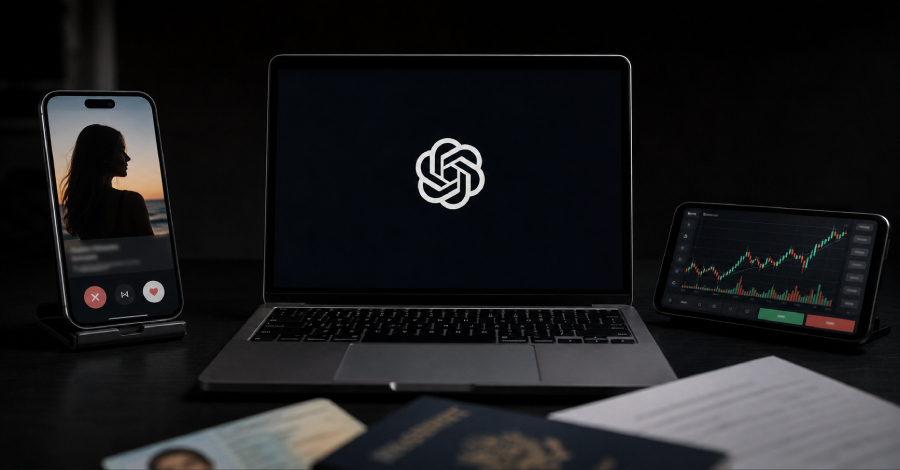
    To pull these off, the network created and operated fake dating profiles, fictitious investment experts, and fraudulent law enforcement personas, while also generating images of forged documents, including passports, as well as legal notices, stock-purchase confirmations, and gambling platform interfaces.

    Cybersecurity

    The attack chain, per OpenAI, follows a three-step approach called ping-zing-sting, where the scammers undertake initial outreach on messaging platforms like WhatsApp and Telegram and engage in a trust-building exercise, before instructing victims to make deposits, pay activation fees, or settle non-existent fines. The targets are then provided fake screenshots of transfers or account information as proof of payment.

    Some accounts in the network generated content that is consistent with human trafficking and forced labor associated with organized crime groups in East Asia. The threat actors are known to recruit people with false promises of lucrative jobs, only to confiscate their passports and force them to work in slave-like conditions.

    “The full scale of financial losses associated with the network is unknown, but based on the scammers’ own communications, the operation may have interacted with hundreds of targets across multiple scam types,” OpenAI said. “User conversations referenced individual victims losing thousands of dollars, although we are unable to independently verify those claims.”

    The development signals how threat actors are developing AI-augmented offensive capabilities that enable them to dramatically increase the speed and scale of their campaigns, even as the frontier models themselves have been caught targeting real systems and individuals during Capture-the-Flag (CTF)-style cyber evaluations.

    ChatGPT Disrupts fraud multiple Network OpenAI Poipet scam Schemes
    NCIJ NETWNCIJ NETWORK
    • Website

    Keep Reading

    Ransom Cartel ransomware creator sentenced to 16 years in prison

    AI Sends Global Crime Syndicates Into Fraud Nirvana

    15 TP-Link Bugs Expose Risks in Zero-Trust Provisioning

    Over 250 ClickFix Domains Use Browser Fingerprinting to Hide macOS Malware Lures

    COLDCARD security audit phishing attack installs remote access tool

    New Attack Methods Enable Malware to Hijack Passkey-Protected Accounts

    Add A Comment
    Leave A Reply Cancel Reply

    Editors Picks

    Ransom Cartel ransomware creator sentenced to 16 years in prison

    August 5, 2026

    Q2 GXRP share rebound left 87.8% of Q1 loss unrecovered

    August 5, 2026

    NASA’s IXPE May Have Proven 90-Year-Old Theory

    August 5, 2026

    New walk-in mental health centres to open in banks and libraries across England

    August 5, 2026
    Latest Posts

    Can you identify Taylor Farms products by codes beginning with ‘TF’ printed on bags?

    July 23, 2026

    The Guardian view on Britain’s uninhabitable homes: as temperatures rise, a new approach is needed | Editorial

    July 23, 2026

    Can Wisconsin voters void a returned absentee ballot?

    July 23, 2026

    Subscribe to News

    Get the latest sports news from NewsSite about world, sports and politics.

    NCIJ Network is an independent digital news platform delivering trusted investigative journalism, European and global news, in-depth analysis, and fact-based reporting with accuracy, transparency, and integrity.

    Facebook X (Twitter) Instagram Pinterest YouTube

    Ransom Cartel ransomware creator sentenced to 16 years in prison

    August 5, 2026

    Q2 GXRP share rebound left 87.8% of Q1 loss unrecovered

    August 5, 2026

    NASA’s IXPE May Have Proven 90-Year-Old Theory

    August 5, 2026

    Subscribe to Updates

    Get the latest creative news from FooBar about art, design and business.

    Type above and press Enter to search. Press Esc to cancel.