


There will be concern too that the pressures of a long, hot summer have merged almost seamlessly into the pressures associated with the winter months.
More patients, including children, have been arriving at A&E departments with flu and other respiratory viruses.
The number of patients seen within four hours in A&Es last month fell to 74.4%, down from 75.0% in August.
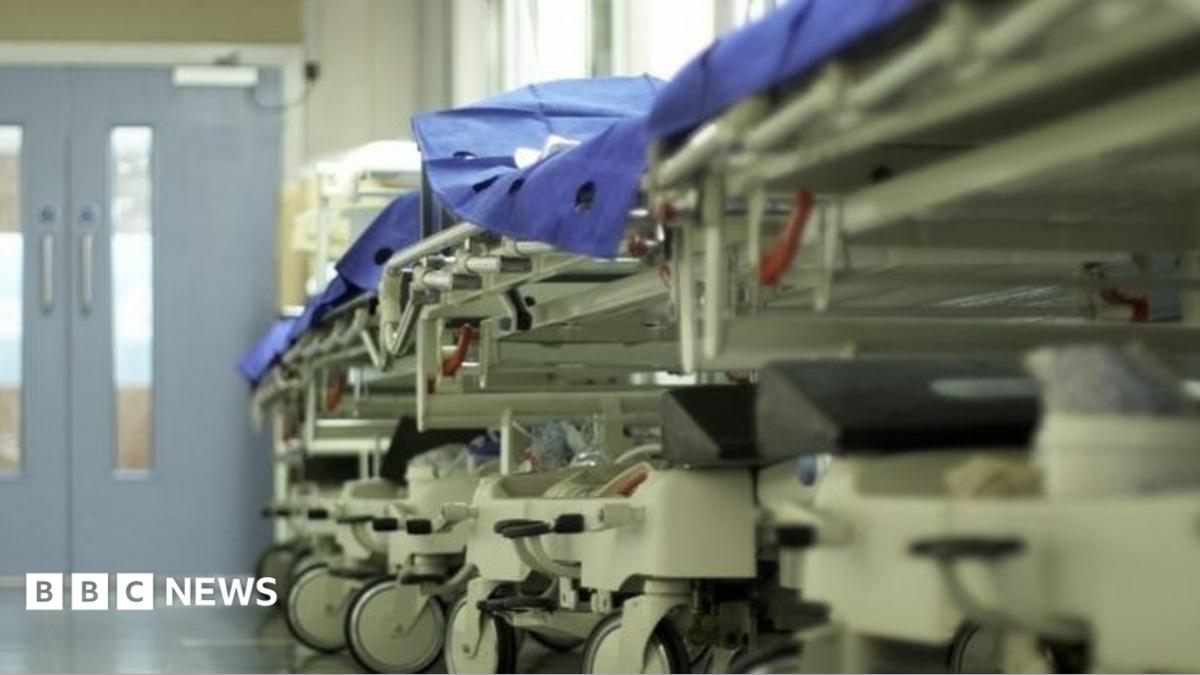
The number of people waiting more than 12 hours in A&E departments from a decision to admit to actually being admitted – what is known as “corridor care” – stood at 50,582 in September, up from 44,951 in August.
That has alarmed Dr Vicky Price, president of the Society for Acute Medicine.
“A 13% year-on-year rise in 12-hour emergency department waits as winter approaches should set alarm bells ringing.
“More than 50,000 patients waited over 12 hours from the decision to admit to admission in September – 1,686 people every day.
“These are not just numbers.
“They represent vulnerable people who are waiting far too long for a bed and staff trying to deliver safe care in overcrowded emergency departments.”
The government says the 18-week mark could still be achieved, saying it was investing in NHS buildings and equipment to make services more productive.
It also pointed to disruption to care that was caused by the strikes by resident doctors, a dispute which has now been settled.
But the strain that services are feeling in September, before winter has even really got going, will be a cause for concern among NHS leaders and their political bosses alike.
