


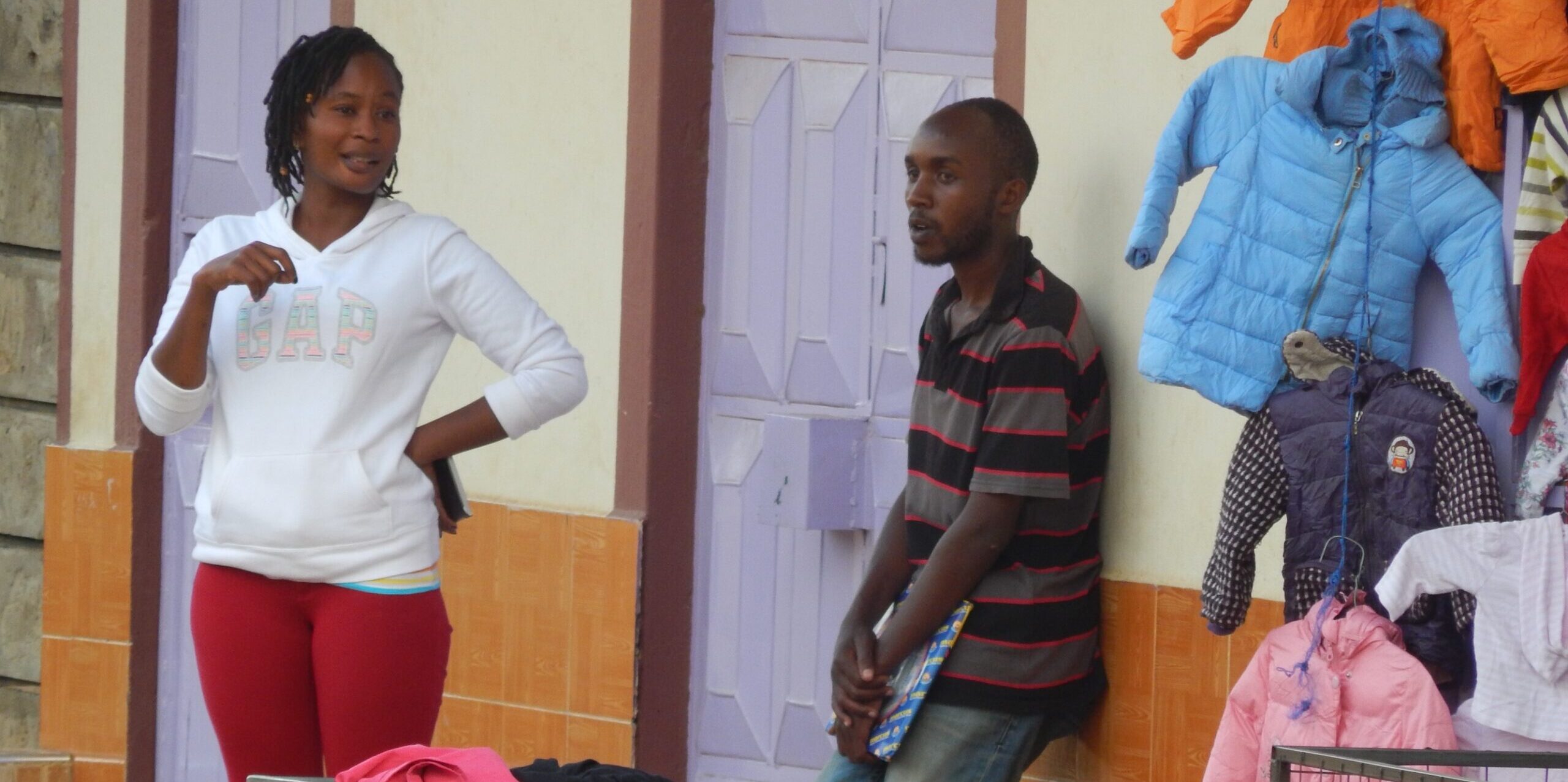
Kenya’s secondhand clothing trade, locally known as mitumba, clothes millions of people and supports an estimated 2 million livelihoods, making it one of Africa’s largest markets for used garments. That makes Kenya a useful lens for understanding the growing global public health problems associated with textile waste disguised as reusable clothing.
More than 4.5 billion used garments are shipped to Africa each year, according to a recent letter published in Science. Many end up in dumpsites or are burned when local sorting systems are overwhelmed.
The researchers argue that discarded textile waste can become reservoirs for harmful bacteria, including Escherichia (which includes E. coli) and Klebsiella. These bacteria are linked to illnesses ranging from diarrheal disease and urinary tract infections to pneumonia, bloodstream infections and, in severe cases, life-threatening sepsis.
A growing body of research links health risks with textile waste. A recent review found that discarded textiles can harbor pathogenic microorganisms and antimicrobial-resistant genes. Another study showed that microplastics released from degrading synthetic textiles can transport pathogens and toxic chemicals through the environment. Recent reporting by Mongabay highlighted evidence that microplastic pollution may contribute to the spread of antibiotic resistance.
For Kenya, the enormous scale of the secondhand clothing trade is at the root of the problem. A 2023 report estimates that Nairobi’s largest dumpsite receives roughly 86 metric tons of textile waste each day. Once discarded, synthetic textiles can fragment into microplastics that pollute both the air and waterways.
To combat the problem, the authors of the Science letter call for stricter enforcement of international environmental laws, tighter quality controls before export and greater investment in waste management and recycling infrastructure in importing countries. They also recommend a more rigorous international definition of “used goods” to close legal loopholes that allow waste trafficking.
“It is critical to consider the potential risks, including bacterial contamination,” Ebenezer Amadi, a senior program manager at Bopinc, told Mongabay in a WhatsApp conversation. “However, this can be addressed through inspection and appropriate controls at the point of entry.”
Kenya has started to address the textile waste problem with its Sustainable Waste Management Act, which promotes waste reduction, recycling and extended producer responsibility (EPR), but the researchers argue that importing countries cannot shoulder the burden alone.
According to Akshay Shah, the outgoing board chair of the Kenya Extended Producer Responsibility Organization, a concrete step forward would be for the textile import sector to form its own EPR mechanism. “The retailer that ultimately benefits from the textile to sell to consumers will need to be liable to pay the EPR fee.” That fee can then flow back to the waste pickers and recyclers who process the material.
Without stronger oversight by exporting nations, the Science letter’s authors warn, the environmental and public health costs of the world’s discarded clothing will continue to fall disproportionately on African countries.
Banner image: A woman sells secondhand clothing (mitumba) in Kenya. Image by Manu davidson via Wikimedia Commons (CC BY-SA 4.0).
