


- A deadly strain of avian flu, H5N1, has spread across the globe since it emerged in Europe in 2020, infecting hundreds of species and decimating domestic poultry, seabird and marine mammal populations.
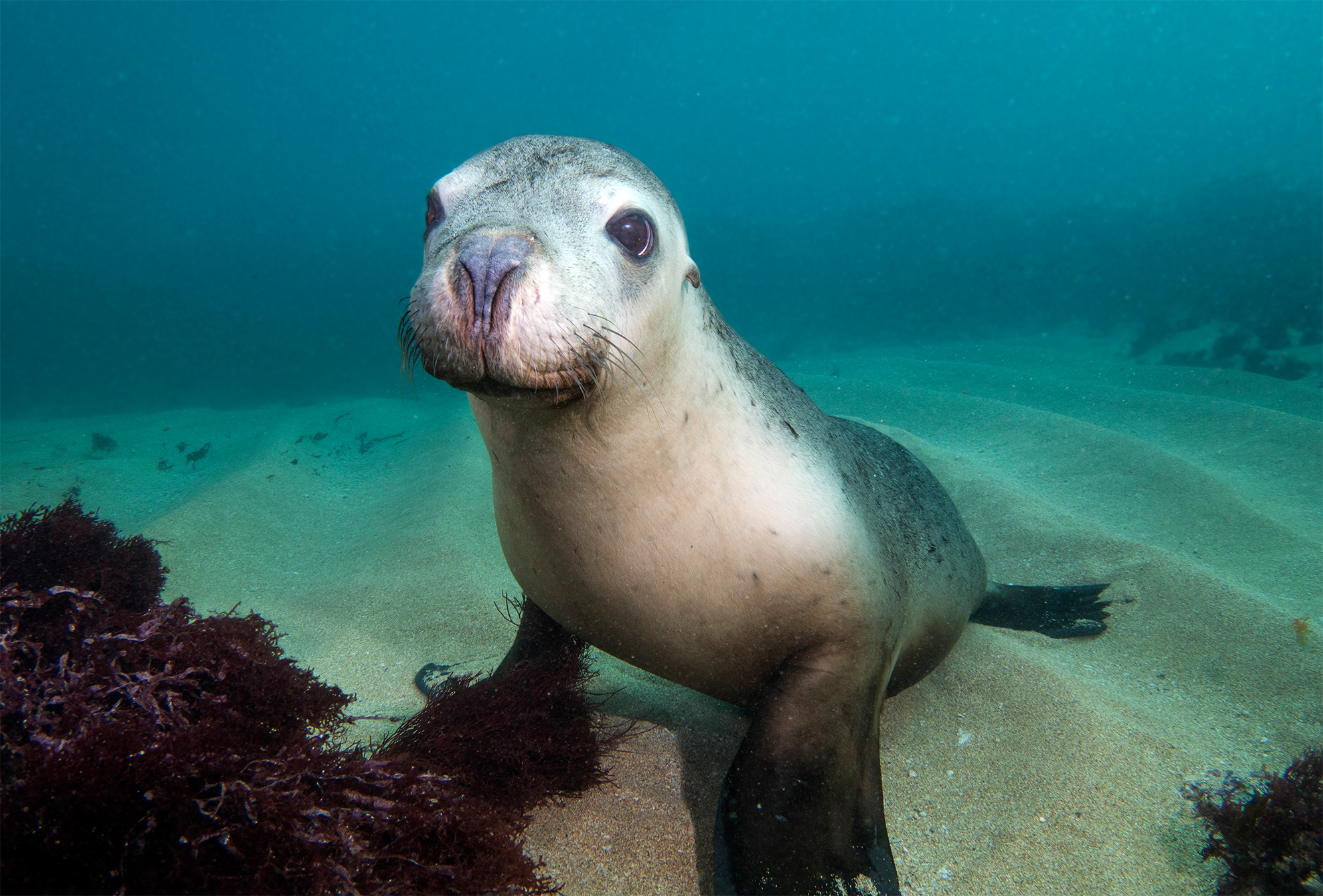
- In June, bird flu breached the last uninfected continent, Australia, and has since infected numerous bird species — and spilled over into mammals, including critically endangered Australian sea lions.
- Wildlife disease tracking and data collection are guiding current mitigations, such as carcass removal. The New South Wales government launched an immunization trial for vulnerable captive birds in August and began vaccinating little penguins in the wild on Sept. 18. But little can be done to stop the spread.
- A comprehensive One Health perspective that incorporates human, wildlife and livestock health could aid efforts to prevent outbreaks of zoonotic disease that pass between them all.
Like a dark cloud of pestilence spreading across the globe in a science fiction movie, a highly contagious, fatal strain of avian influenza is continuing its death march across the globe, infecting wild birds, poultry, dairy cattle and mammals from pole-to-pole, sometimes with massive mortalities.
In mid-June, it invaded the last bird flu-free continent, Australia, when the first cases of this lethal virus were detected in migratory seabirds, who likely brought it from the Antarctic to Australian islands, and then, inland.
“These outbreaks mark the loss of the last continent previously free from the virus,” said Amandine Gamble, an expert on pathogens in endangered seabirds at Cornell University in the U.S., in a statement. “There are serious concerns for wildlife in Australia, New Zealand and surrounding islands, which are home to many already vulnerable endemic species.”
The virus has spread rapidly since then, killing thousands of birds in some 690 “events” as of Oct. 6. An event may involve a confirmed infection or death of one — or many — animals.
H5N1 has now spilled over into mammals, including endangered Australian sea lions (Neophoca cinerea) at key breeding sites.
Across the globe, species that live or breed in colonies have died in shocking numbers, and this virus continues to mutate and adapt, infecting new hosts. As of publication, it had infected some 613 types of bird and about 112 mammal species, both wild and domestic, according to the Food and Agricultural Organization of the United Nations.
“We have seen this virus move very aggressively … into a ton of different species and different sort of what we call ‘ecological niches,’” said Christine Johnson, director of the National Science Foundation Center for Pandemic Insights at the University of California, Davis in the U.S.
Everywhere, those at greatest risk include seabirds (terns, gannets and albatrosses), other waterbirds (ducks, grebes and swans) and pinnipeds (seals and sea lions), as well as bird and mammal species that survive by hunting and/or scavenging, according to the World Organisation for Animal Health.
Scientists and government officials across the globe are increasing surveillance of what has become the largest-ever avian flu “panzootic” — a wildlife pandemic.
Amid a biodiversity crisis, with thousands of species in dangerous decline, experts say that this virus poses a serious threat. There are few mitigations available: removing carcasses, and in a handful of species, vaccination.
Bird flu mutates from a mild pathogen to a deadly virus
A mild form of avian flu circulates among wild birds, much like the common cold in humans. Migratory bird species, especially waterfowl, are the natural hosts. “Bird flu is widespread in seabirds and terrestrial birds,” Johnson said.
However, when wild birds encounter domestic poultry, avian flu can mutate and turn deadly, becoming “Highly Pathogenic Avian Influenza” (HPAI) — which is what happened with H5N1. It morphed into this lethal form when it passed to poultry farms: Industrial-scale farms and those situated near wetlands where poultry comes into contact with many birds are likely culprits.
H5N1 then spilled back into wild birds.
This progression is not new. The first description of an infection that killed large numbers of poultry dates to 1878 in northern Italy, then called “fowl plague.” In 1955, esteemed German animal virologist Werner Schäfer determined that it was an influenza virus.
An HPAI H5 avian flu strain was found on a chicken farm in Scotland in 1959, and since then viruses have infected poultry multiple times, with millions of birds dead or culled: 90%-100% of infected birds die, often within 48 hours, according to the U.S. Centers for Disease Control and Prevention (CDC).
The H5N1 strain was first detected on a commercial goose farm in China in 1996.
This current, prolonged outbreak emerged in Europe in 2020. Carried along flyways by migrating birds, it reached Africa later that year and struck Asia and North America in 2021. It breached the Arctic the next spring and then invaded South America.
In February 2024, it hit the Antarctic, then traveled nearly 6,500 kilometers (4,000 miles) over the following two years, from South Georgia in the southern Atlantic Ocean to Heard Island in the Indian Ocean. And then, this summer: It invaded Australia.
The illness causes respiratory symptoms in both birds and mammals, including sneezing, coughing, and difficulty breathing, according to Wildlife Health Australia. Infected animals may stumble, uncoordinated and disoriented, have tremors, seizures, twisted necks and be unable to stand or fly. They may suddenly die.
As avian flu has blazed across the globe, it’s left millions of birds and mammals dead. Mammals that hunt or scavenge birds and marine mammals that have contact with seabirds are most at-risk. It has also jumped to humans, with more than 1,000 cases reported in some 25 countries, according to the CDC. But so far, it hasn’t been transmitted from person-to-person.

Breaching the last frontier
In October 2025 and January 2026, Australian scientists who were conducting drone and ground surveys discovered the carnage wrought by H5 bird flu on Heard Island, an Australian Sub-Antarctic territory that lies about 4,000 km (2,500 mi) off Perth’s southwest coast. It killed more than 13,000 baby southern elephant seals.
Then, the inevitable occurred: The virus reached mainland Australia in August. Since then, H5N1 has infected a growing number of migratory birds. Greater crested terns (Thalasseus bergii) that nest together in close quarters have died in massive numbers. Other victims include silver and Pacific gulls (Chroicocephalus novaehollandiae and Larus pacificus), black-faced and great pied cormorants (Phalacrocorax fuscescens and Phalacrocorax varius), little penguins (Eudyptula minor) — the world’s smallest penguin — and many more.
By late August, a long-nosed fur seal (Arctocephalus forsteri) tested positive for H5N1 bird flu, the first confirmed mammal infection on the mainland.
“It is not unexpected that H5 bird flu has been detected in other wildlife, particularly marine mammals, in areas where there are high levels of infection in wild birds,” Australian chief veterinary officer Beth Cookson said in a statement.

By late August, a common dolphin (Delphinus delphis), found dead on South Australia’s Fleurieu Peninsula, tested positive. Volunteers with the Victor Harbor Dolphin Watch Group are monitoring the dolphins from tourist boats for behavioral signs pointing to H5N1 infection.
Two red fox (Vulpes vulpes) cases were diagnosed in two urban areas, Adelaide and Torquay, around the same time after hunting an infected bird or scavenging a carcass.
These nearly-simultaneous incidents in foxes and a dolphin in South Australia signaled that the virus had bridged the avian-mammalian interface, according to BEACON, a public health program based at Boston University’s Center on Emerging Infectious Diseases in the U.S.
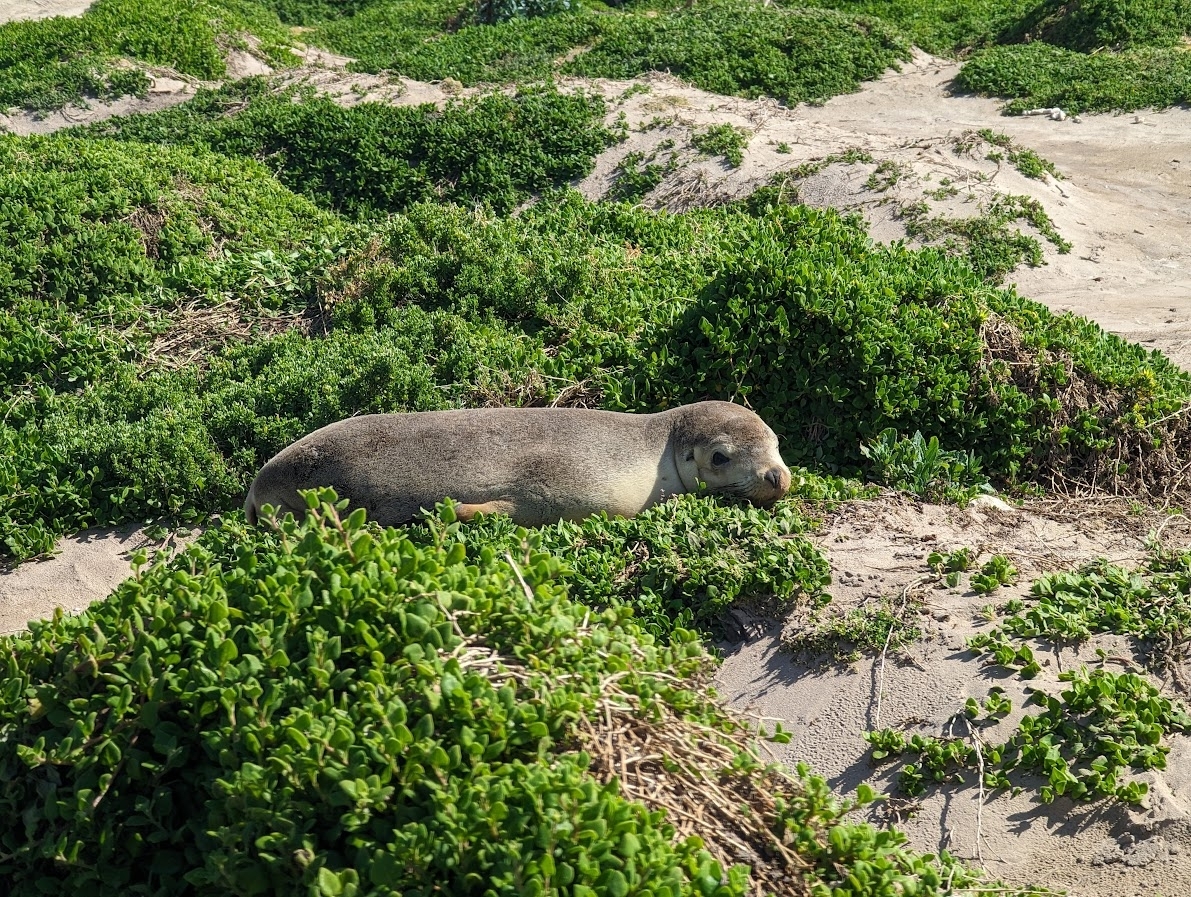
The next confirmed mammal discovery, in mid-September, was particularly alarming: A critically endangered Australian sea lion (Neophoca cinerea) died of H5N1 at Seal Bay, on Kangaroo Island — the seals’ third-largest colony.
On Sept. 21, three dead adults and a pup tested positive on North Page and South Page Islands, a breeding site just off the mainland in South Australia. About 900 greater crested terns have died of H5N1 on the Pages Islands.
Marine mammals have been particularly hard-hit, as they gather on land in large groups to mate and birth and raise pups. With only 10,000-12,000 Australian sea lions remaining and massive bird deaths near seal breeding sites, the species could be devastated.

Devastation in the Southern Hemisphere
When H5N1 breached South America’s Atlantic and Pacific coastlines in 2023-2024, it tore through seal populations. Southern elephant seals (Mirounga leonina) and South American sea lions (Otaria byronia) died by the thousands.
More than 95% of Southern elephant seal pups born in Argentina that winter perished — some 17,400 of the estimated 18,000 born that year. Researchers don’t know how many adults died.
These catastrophic losses prompted the IUCN, the global wildlife conservation authority, to revise the species’ conservation status from least concern to vulnerable on the Red List of Threatened Species.
The next year, the virus didn’t return, but in some places, elephant seal numbers had dropped by up to 66%. The virus also killed an estimated 30,000 South American sea lions, and the estimated death toll for seabirds surpassed 650,000.
In Península Valdés, Argentina, where H5N1 simultaneously infected both terns and elephant seals, the virus took a dangerous turn.
Genetic studies published in November 2024 in the journal Nature Communications revealed a shocking development: H5N1 had evolved to transmit directly between the seals, the first documented mammal-to-mammals transmission.
The authors wrote that H5N1 viruses were “becoming more evolutionary flexible and adapting to mammals in new ways [that] could have global consequences for wildlife, humans, and/or livestock.” This increased the risk that if H5N1 evolved to infect humans, it could then spread between people.

H5N1 arrives among California elephant seals
Earlier this year, the virus struck the seal’s cousins in the U.S. state of California, the northern elephant seal (Mirounga angustirostris).
It was discovered in February. On one of his regular visits to observe the northern elephant seals at California’s Año Nuevo beach, Patrick Robinson, the reserve’s director, saw a dead “weanling.” Then he spotted another young seal shaking with a seizure.
Samples from those and other seals tested positive for H5N1.
“That was the first indication that there were some infected animals on the beach,” said Johnson, a UC Davis pandemic researcher.
Because of the outbreak in South America, this wasn’t a surprise. But if it was going to happen, it occurred at a time in the seals’ yearly life cycle that limited impact. February is the end of the breeding season. About 75% of the 5,000 mothers that gather on that beach to birth the next generation had already weaned their pups and left on their post-breeding migration. About 1,350 seals remained on the beach.
Roxanne Beltran, director of the Beltran Lab, which conducts research and monitors the site, knew one of the sick pups. The animal was tagged when she was 16 days old, birthed by a mother who was born on the same beach six years before. Her mother weaned her and left the beach on Feb. 18. She was apparently healthy when her mother left.
Two mornings later, she was convulsing and unresponsive. By afternoon, she was dead.
The Año Nuevo site has been intensively studied since the 1960s, which means researchers know where they spend their time and traced their lineage, including how many offspring they’ve had, Beltran said.
Close monitoring allowed researchers to detect the outbreak early, one of the earliest detections of an outbreak of this kind, Beltran said.
“That’s the value of a long-standing research site,” Robinson said.

If the virus had started moving from seal-to-seal, infections would be exponential, potentially doubling within days.
But that didn’t happen. On the second day, seven to 10 seals were sick.
Ultimately, 57 elephant seals were infected, including a few subadults and adults, between Feb. 12 and March 24. All but one succumbed. Most died within a day of showing symptoms. Six California sea lions (Zalophus californianus) and one sea otter (Enhydra lutris) also died of H5N1.
Why California’s seals didn’t perish at the same rate as those in Argentina, and why the outbreak didn’t spread remains a question, but Cara Field, director of conservation medicine at California’s Marine Mammal Center, offers “acquired immunity” as a theory.
“Different strains of bird flu are always circulating,” she said. “We can’t prevent birds from flying where they fly. Birds are migrating right now.” But she said, “[these seals] may have acquired some immunity through exposure to other strains during their lives.”
The team will continue H5N1 surveillance when the females return in January to birth their pups.
“We’re looking forward to seeing if anyone was infected and survived,” Johnson said, and perhaps carry immunity.
Conquering the last frontier
Avian flu continues to conquer new territory.
Researchers are tracking the transmission route to understand how it reached Australia. It seems to have drifted east around Antarctica, carried by migratory pelagic seabirds including giant petrels (Macronectes giganteus) and brown skuas (Stercorarius antarcticus). Those birds then transmitted it to local seabirds, such as greater crested terns (Thalasseus bergii) and silver gulls, which flew inland.
“Recent genetic data suggest the virus did not arrive with migratory waterfowl travelling annually between Asia and Australia, but instead arrived with seabirds from the Southern Ocean, as scientists warned earlier this year in research led by Cornell University and collaborators,” said Gamble, an ecosystem health expert.
It’s some 1,700 km (1,100 mi) from Antarctica to Heard Island. “The long-distance spread via the Southern Ocean in 2024/25 from South Georgia to Heard Island demonstrated that seabirds and/or marine mammals indeed have the capacity to move HPAI H5 very long distances,” said Andrew Breed, lead epidemiologist in the Australian government’s Department of Agriculture, Fisheries and Forestry in Canberra.
Based on its history across the world, “HPAI H5 is likely to spread among wild birds and mammals [in Australia],” according to a joint report by the WOAH and the U.N.’s Food and Agriculture Organization.
Australia, an island continent, has monitoring in place to protect its unique wildlife. “We have a conservation concern for native birds and wild mammals in Australia, as well as domestic species such as poultry,” Breed said. The nation is home to 386 mammal species and 828 bird species, many of which live nowhere else on Earth, according to government tallies.

Managing outbreaks
“We can’t actually stop the spread,” Breed said, “but there are things that can and should be done.”
The current efforts to document the effects on wildlife populations will help guide both short-term response and long-term recovery, he said. Disease surveillance can document the spread, leading to longer term preventive measures based on understanding of patterns of infection and impacts. The Australian government posts a list of confirmed events updated daily.
One strategy, that would only be possible for a very few imperiled species, is immunization.
“Vaccination may play a role for a small number of priority rare and protected species,” said Tiggy Grillo, who heads the nonprofit Wildlife Health Australia.
“As seen internationally, broad-scale vaccination of free-ranging wildlife is not practical or possible,” Grillo said. “It can help reduce disease risk, but it has limitations and therefore is a complementary tool rather than a standalone solution.”
If the virus spreads across Oceania, one potential vaccine candidate could be the Hawaiian monk seal (Neomonachus schauinslandi), which is protected under the U.S. Endangered Species Act. It’s a vulnerable species, according to IUCN, with only 922 mature adults left as of the latest assessment in 2024.
HPAI H5 was detected in Hawaii that year, though the seals were not infected and there were no reports of mass wildlife mortalities.
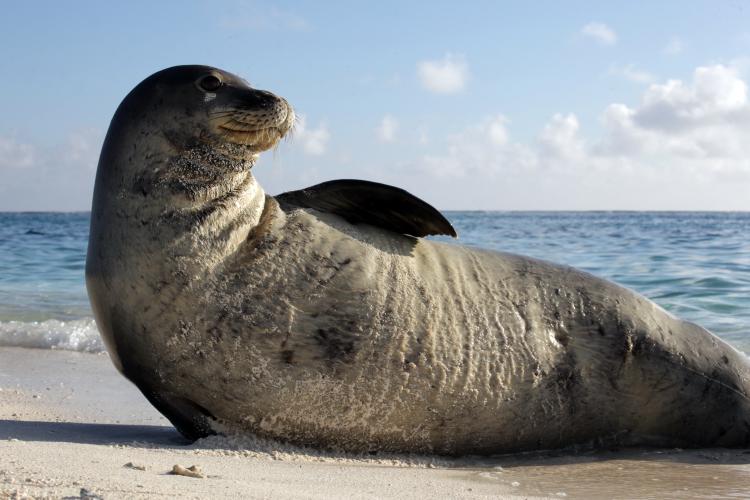
Since 2016, NOAA veterinarians have been vaccinating monk seals against a strain of morbillivirus, a contagious virus that causes distemper. Within five years, they’d successfully inoculated half the population. It’s the world’s first attempt to protect this wild marine mammal from a deadly outbreak.
Because Hawaiian monk seals are rare, the California-based Marine Mammal Center tested the safety and efficacy of an avian flu vaccine trial on six northern elephant seals in 2025, which was safe to do because their IUCN conservation status is listed as ‘least concern’: About 110,000 live along the eastern Pacific coast. Researchers used a cow vaccine manufactured by the animal health company Zoetis.
The vaccinated elephant seals successfully produced some antibodies. Since then, the vaccine was given to three rescued monk seal pups that were brought to the Marine Mammal Center’s Hawaii location, Ke Kai Ola, the dedicated Hawaiian monk seal hospital in Kona.
Critically endangered California condors (Gymnogyps californianus) have also been immunized against H5N1. After the virus killed 21 of 116 members of an Arizona flock in 2023, the nonprofit Ventana Wildlife Society began vaccinating condors in California; 98 from one flock — 89% — have received at least one dose, and 72 of those are fully vaccinated after a second booster.


Australia is beginning targeted immunization programs to protect some of its most vulnerable native species against H5 avian influenza.
In late August, the New South Wales government began vaccinating the first trial cohorts of captive, “insurance” populations of Carnaby’s black cockatoos (Zanda latirostris), red-tailed black cockatoos (Calyptorhynchus banksii) and little penguins, working with the Taronga Conservation Society Australia.
“The controlled vaccination program will provide an opportunity to closely monitor vaccinated animals and identify any potential adverse effects as further plans to vaccinate are progressed,” according to the website.
With early success, the NSW government began vaccinating little penguins in the wild on Sept. 18, according to a press release. It’s possible because the location of their burrows is well known; their movement pattern — going out into the sea to feed during the day and returning to their burrows in the evening — is predictable; and they’re flightless. It’s a two-dose vaccine, administered 3-4 weeks apart. Birds are only held long enough to vaccinate them, but they’re monitored for adverse effects.
Another intervention that could minimize spread is removing carcasses. It’s a choice that weighs the risks of moving contaminated material and disturbing wildlife against the benefits of reducing potential infection by animals there, including scavengers that eat the dead animals, Breed, the Australian epidemiologist said. “It’s not going to stop an outbreak, but even if it reduces the proportion of affected animals, it’s a measure that can have value.”
New tools are emerging, such as fogging commercial poultry operations with catmint oil, an insect repellent certified as safe around humans, which inactivates H5N1 virus. Purdue University in the U.S. is testing it to determine whether it could provide a layer of protection between poultry and wildlife, according to Ekramy Sayedahmed, an assistant professor of poultry medicine at Purdue’s College of Veterinary Medicine.
“Globally, this virus has moved between poultry and wild birds on multiple occasions,” Breed said. “I’m sure we can learn more and reduce transmission at the poultry-wildlife interface. We need to understand the drivers of disease emergence, take a One Health approach and long-term perspective to investment in disease management and prevention measures.”
The World Health Organization defines One Health as “a unifying approach that … recognizes that the health of humans, domestic and wild animals, plants, and the wider environment (including ecosystems) are closely linked and interdependent.”
It also notes that “By linking humans, animals and the environment, One Health can help to address disease threats more comprehensively — from prevention to detection, preparedness, response and management — and contribute to global health security.”
H5N1 is “a bit of a wake-up call [regarding] the impacts humans are having on wildlife,” Breed said. “This virus that came out of commercial poultry farming is now decimating seal populations and wild birds. It shows how connected systems are.”
Banner image: H5N1 has now spilled over into mammals, including endangered Australian sea lions (Neophoca cinerea) at key breeding sites. Image by John Turnbull via Flickr (CC BY-NC-SA 2.0).
Editor Sharon Guynup contributed reporting.
Christine Heinrichs is an award-winning journalist who has reported on California coastal wildlife issues for more than a decade. She is a certified California naturalist and the San Luis Obispo At Large member of the Monterey Bay National Marine Sanctuary Advisory Council. She lives on the Central Coast.
Avian flu strikes California’s northern elephant seals; area quarantined
Elephant seal colonies in Argentina face long recovery after ‘catastrophic’ avian flu
Animal apocalypse: Deadly bird flu infects hundreds of species pole-to-pole
Citations:
Lupiani, B. Reddy, S. (2008). The history of influenza. Comparative Immunology, Microbiology & Infectious Diseases, 32(4). doi:10.1016/j.cimid.2008.01.004
Rott, R., Thiel, H.J. … Moenning, V. (2000). Werner Schäfer. A life as researcher and teacher. Deutsche tierärztliche Wochenschrift, 107(7). 282-287.
Uhart, M. M., Vanstreels, R. E., Nelson, M. I., Olivera, V., Campagna, J., Zavattieri, V., … Rimondi, A. (2024). Epidemiological data of an influenza A/H5N1 outbreak in elephant seals in Argentina indicates mammal-to-mammal transmission. Nature Communications, 15(1). 9516. doi:10.1038/s41467-024-53766-5
Lycett, S. J., Duchatel, F. … Digard, P. (2019) A brief history of bird flu. Philosophical transactions of the Royal Society B: Biological Sciences, 374(1775), 20180257. doi:10.1098/rstb.2018.0257
Abolnik, C., Phiri, T., Peyrot, B., de Beer, R., Snyman, A. … Roberts, L. (2023). The Molecular Epidemiology of Clade 2.3.4.4B H5N1 High Pathogenicity Avian Influenza in Southern Africa, 2021–2022. Viruses, 15(6). 1383. doi:10.3390/v15061383
Bruno, A., Alfaro-Núñez, A., De Mora, D., Armas, R., Olmedo, M., Garcés, J., … Garcia-Bereguiain, M. A. (2023). First case of human infection with highly pathogenic H5 avian influenza A virus in South America: A new zoonotic pandemic threat for 2023? Journal of Travel Medicine, 30(5). taad032. doi:10.1093/jtm/taad032
Mallapaty, S. (2024). Bird flu could become a human pandemic. How are countries preparing? Nature. doi:10.1038/d41586-024-02237-4
Plaza, P. I. … Lambetucci, S. (2025). Update on H5N1 panzootic: Fifty percent increase in mammal species infected over one year. Authorea (Preprint). doi:10.22541/au.175312688.88400765/v1
Campagna, C., Uhart, M., Falabella, V., Campagna, J., Zavattieri, V., Vanstreels, R. E., … Lewis, M. N. (2023). Catastrophic mortality of southern elephant seals caused by H5N1 avian influenza. Marine Mammal Science, 40(1). 322. doi:10.1111/mms.13101
McInnes, J. C., Burgess, T., Mergard, G., Wells, M. R., McMahon, C. R., Neave, M. J., … Hodgson, J. C. (2026). Mass mortality of southern elephant seals during multi-species outbreak of HPAI H5N1 on sub-Antarctic Heard Island. bioRxiv, 2026-06. doi:10.64898/2026.06.16.732752
Clessin, A., Brusselmans, M., Hong, S.L., Tornos, J., Lejeune, M., Shao, Y. … Baele, G. (2026). Dispersal, adaptation and persistence of H5N1 in the sub-Antarctic and Antarctica. bioRxiv. doi:10.64898/2026.03.20.713283
Fredette‐Roman, C., Polidoro, B., Rolsky, C., … Murphy, E. L. (2026). A global ranking of the relative vulnerability of marine mammals to macroplastic pollution. Conservation Biology, 40(4). e70271. doi:10.1111/cobi.70271
FEEDBACK: Use this form to send a message to the author or editor of this post. If you’d like to post a public comment, you can do so at the bottom of the page.
Cite this article
Christine Heinrichs (2026). Invading the globe: Bird flu now threatens Australia and Oceania. Mongabay Conservation news. DOI: https://doi.org/10.66709/news-331586

