

Close Menu
NCIJ Network NCIJ Network
    What's Hot

    Trump ousts Kimberly Guilfoyle as US ambassador to Greece after corruption allegations

    October 14, 2026

    Nigel Farage says charities that help asylum seekers get to UK should be prosecuted | Nigel Farage

    October 14, 2026

    Burnham had two hospitality dinners with Man City chairman, deleted records show

    October 14, 2026
    Facebook X (Twitter) Instagram
    Trending
    • Trump ousts Kimberly Guilfoyle as US ambassador to Greece after corruption allegations
    • Nigel Farage says charities that help asylum seekers get to UK should be prosecuted | Nigel Farage
    • Burnham had two hospitality dinners with Man City chairman, deleted records show
    • Dutch tax authorities cancel Microsoft 365 cloud rollout – and turn toward open source
    • Unplug your smart fridges, French supermarkets warned after cyberattack
    • Bank of America backed crypto AML rules but reported over $5 billion in suspicious activity late
    • Stormont budget: NI Secretary rules out ‘front-loading’ extra funds
    • Shedding light on the sea: Interview with Thai photographer Sirachai Arunrugstichai
    • About
      • Our Team
      • Editorial Policy
      • Editorial Independence
      • International Support
    • Trust & Standards
      • AI Usage Policy
      • Conflict of Interest Policy
      • Corrections Policy
      • Ethics Policy
      • Fact-Checking Policy
      • Source Protection
    • Get Involved
      • Guide for Sources
      • Support Independent Journalism
    • Legal
      • Cookie Policy
      • Privacy Policy
      • Terms of Use
    Facebook X (Twitter) Instagram
    NCIJ Network NCIJ Network
    Wednesday, October 14
    • Home
    • World
    • Ai
    • Business
    • Politics
    • Health
    • Crypto
    • Science
    • Technology
    • Cybersecurity
    • Defense & Security
    • Economy
    • Energy
    • Europe
    • More
      • Fact Check
      • Investigations
      • Opinion & Analysis
      • Environment
    NCIJ Network NCIJ Network
    Home»Opinion & Analysis

    I work for a major insurer. Much of my industry is fudging the numbers in the face of the climate crisis | Anonymous

    NCIJ NETWNCIJ NETWORKBy NCIJ NETWNCIJ NETWORKOctober 14, 2026 Opinion & Analysis No Comments4 Mins Read
    Share
    Facebook Twitter LinkedIn Pinterest Email

    I work for a major insurer, assessing the risk posed by natural disasters on properties around the world, from family homes to schools, government offices and multibillion-dollar commercial centres. The world is facing greater risk than ever from extreme weather. We are not prepared – and that inaction could have profound consequences for the global financial system.

    In the face of ever more extreme and unpredictable climate risks, I am coming under pressure to cut my forecasts for the losses that disasters will cause in order to make insurance more affordable – and get my employer more business. In some instances, the questioning of our numbers and models is justified. But too often, it is not being done to produce more accurate models, but to artificially lower prices. If this is happening at my firm, which is struggling to compete with rivals’ prices, it’s happening elsewhere.

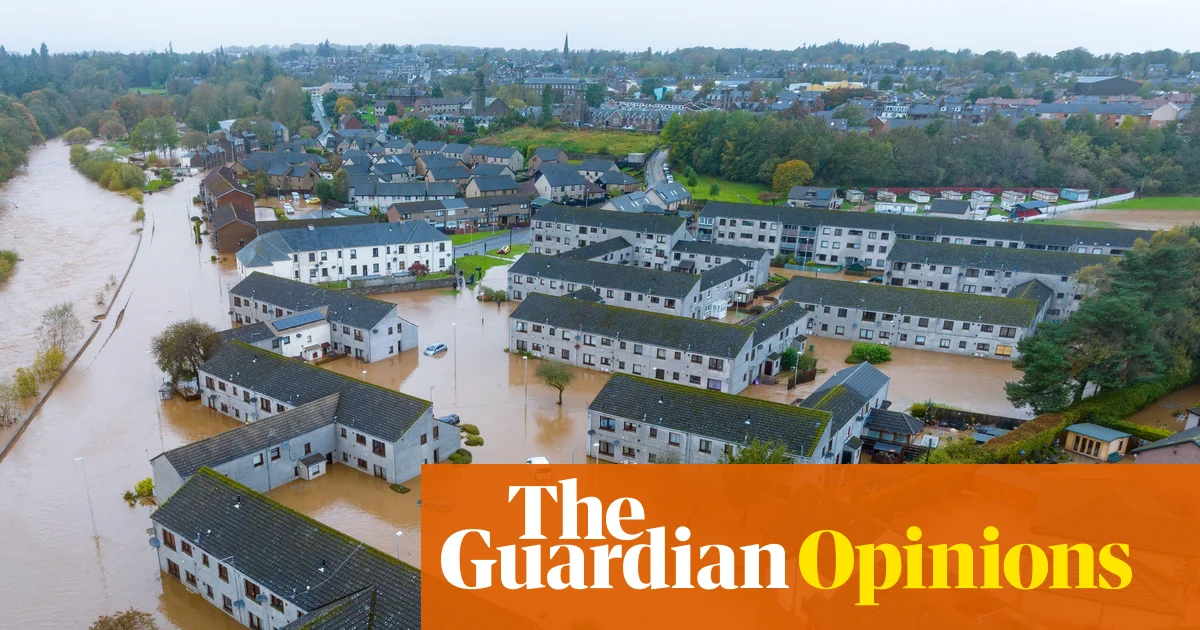
    Our sector is carrying more risk than we realise. The warming global climate has caused more frequent high-intensity storms, rising sea levels, flooding, wildfires and drought. While the immediate impact of these events is plain to see, the long-term effects will be compounded as insurers withdraw from affected areas, leaving the economy in freefall and people’s day-to-day lives in ruins.

    As a modeller, it is my job to look objectively and scientifically at the data to calculate an expected loss from a natural disaster, which affects the price of the premium for a given policy. Our industry says it holds those numbers as sacrosanct, but as my analysis shows higher and more volatile risk, the price rises with it and we lose customers.

    So modellers like me are coming under pressure to reduce their projected losses. In the most basic terms, we are collectively fudging the numbers and taking on more risk than we should for a lower price than the expected loss demands. Sometimes I will forecast losses that would normally be seen as much too risky for us to insure, but we offer the policies anyway. This will eventually lead to a sector built on “competitively priced” contracts that underestimate risk, leaving gaping holes in the safety net that insurance is supposed to provide.

    For example, if subsidence – which is made worse by drought – damages a number of homes in your area, insurers may exclude this from your policy, so you won’t be covered if subsidence then hits your house.

    When that happens to an entire community, businesses leave, investment dries up and the local economy tanks. Now imagine this happening in multiple towns around the country, at the same time. And subsidence is just one such issue, alongside wildfires, coastal erosion, wind and floods – and that’s just in the UK.

    I have respect for underwriters who are just doing their jobs, and I know that no single individual is responsible. My concern lies with the attitude of much of the industry towards modellers, actuaries and researchers: there is a sense that we are an inconvenience to the deal-making process, rather than an essential part of risk management. We are the failsafe that stops our industry from reckless gambling.

    At the largest scale, misquoted insurance can damage insurers, companies, their employees and the communities that rely on them. The upshot is that our customers are likely to be much more exposed to climate-related risks than they realise. People are not budgeting for a major increase in their insurance premiums or planning for their homes becoming uninsurable, but many of them absolutely should be.

    If the worst happens, the insurance industry may not have the money to pay every claim when a major disaster hits. That would have profound consequences for the economy as a whole – businesses could go bankrupt, the housing market could seize up and, if people couldn’t pay their mortgages, banks would fail.

    skip past newsletter promotion


    Sign up to Matters of Opinion

    Guardian columnists and writers on what they’ve been debating, thinking about, reading, and more

    after newsletter promotion

    As natural catastrophes continue to become less predictable and more severe, the foundations of our entire economy will only become more fragile. Our customers deserve to know.

    • The writer is a modeller working in the insurance industry. A version of this piece originally appeared with the Bureau of Investigative Journalism as part of their Secret Source series, a regular column featuring industry whistleblowers

    Anonymous climate crisis face fudging Industry Insurer major numbers Work
    NCIJ NETWNCIJ NETWORK
    • Website

    Keep Reading

    New Data Centers in Texas and New Mexico Could Upend Climate Goals — ProPublica

    Iran War Shows U.S. Military Needs a New Basing Strategy

    Ensuring resilience in the face of uncertainty

    Myanmar’s Diplomatic Breakthroughs with U.S., ASEAN Leaders

    A Regional Framework for China and India In South Asia

    Palantir is worming its way into the British state – it’s time to curb this controversial US company’s influence | George Monbiot

    Add A Comment
    Leave A Reply Cancel Reply

    Editors Picks

    Trump ousts Kimberly Guilfoyle as US ambassador to Greece after corruption allegations

    October 14, 2026

    Nigel Farage says charities that help asylum seekers get to UK should be prosecuted | Nigel Farage

    October 14, 2026

    Burnham had two hospitality dinners with Man City chairman, deleted records show

    October 14, 2026

    Dutch tax authorities cancel Microsoft 365 cloud rollout – and turn toward open source

    October 14, 2026
    Latest Posts

    How viable are plans to free up prison space in England and Wales? | Prisons and probation

    August 11, 2026

    Ex-Marine Robert Gilman Is Freed by Russia After 4 Years in Prison

    August 11, 2026

    An Electric Motorcycle Revolution – The New York Times

    August 11, 2026

    Subscribe to News

    Get the latest sports news from NewsSite about world, sports and politics.

    NCIJ Network is an independent digital news platform delivering trusted investigative journalism, European and global news, in-depth analysis, and fact-based reporting with accuracy, transparency, and integrity.

    Facebook X (Twitter) Instagram Pinterest YouTube

    Trump ousts Kimberly Guilfoyle as US ambassador to Greece after corruption allegations

    October 14, 2026

    Nigel Farage says charities that help asylum seekers get to UK should be prosecuted | Nigel Farage

    October 14, 2026

    Burnham had two hospitality dinners with Man City chairman, deleted records show

    October 14, 2026

    Subscribe to Updates

    Get the latest creative news from FooBar about art, design and business.

    Type above and press Enter to search. Press Esc to cancel.