


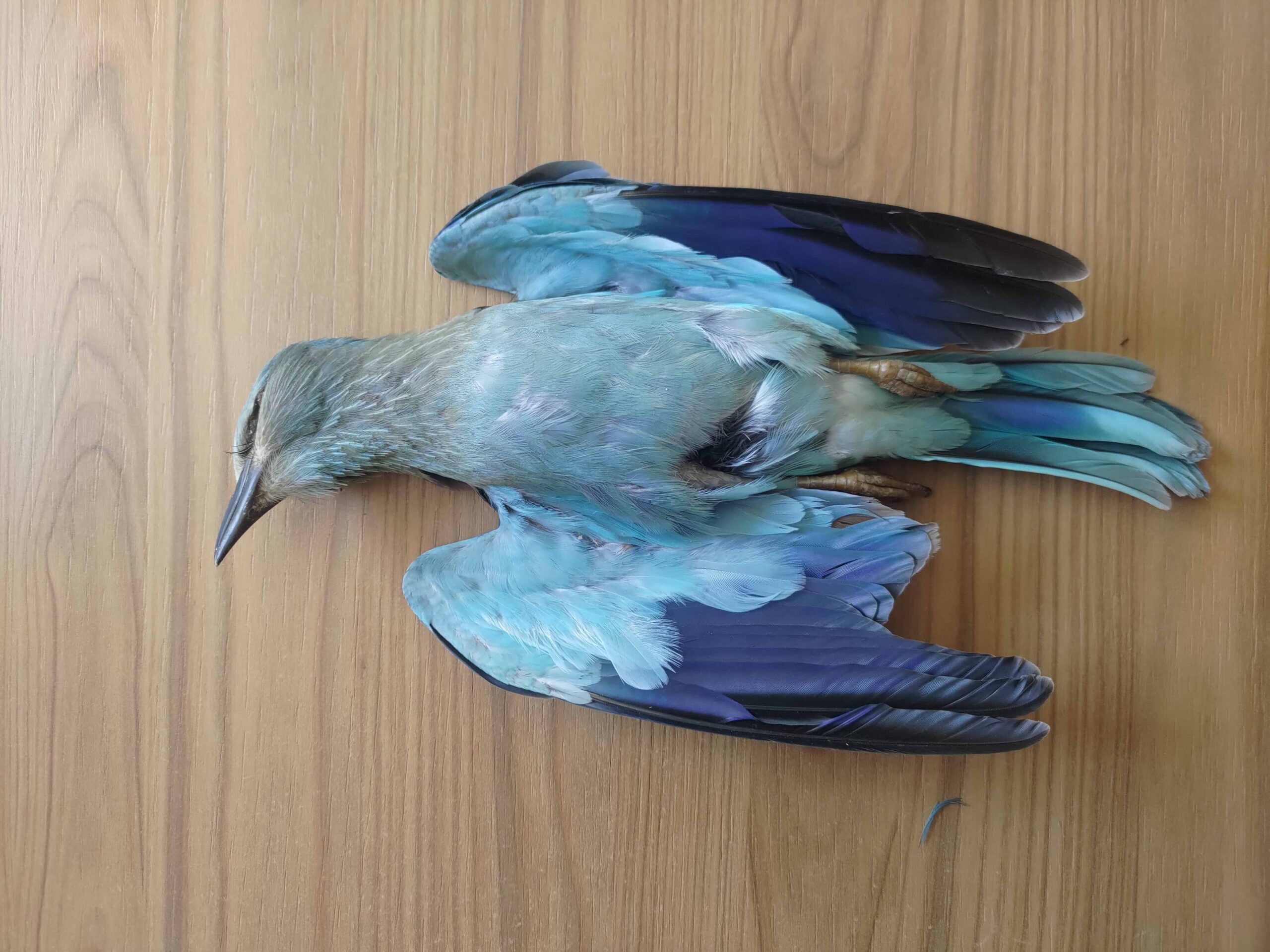
A multi-day thunderstorm over the Mediterranean Sea struck Malta, stranding hundreds of passing migratory birds on Sept. 14, 2026. Hunters in the country then shot hundreds of those birds, including protected species, shows evidence gathered by the conservation NGO Birdlife Malta.
Malta sits on the Central European-Mediterranean flyway that millions of migratory birds use annually as they fly from their breeding grounds in Europe to overwinter in Africa. Strong weather systems can interrupt these journeys, causing a “bird fall” — a phenomenon where hundreds of birds seek shelter on land.
“This can result in unusually large concentrations of exhausted migratory birds in particular locations,” Antonia Micallef, public engagement executive at BirdLife Malta, told Mongabay by email. “This concentration makes birds much easier to detect and target [by hunters].”
Malta has the highest density of hunters in all of Europe. “Over 10,000 hunters [are] active at any one time,” Micallef said.
According to BirdLife Malta, hunters shot more than 500 European turtle doves (Streptopelia turtur), a threatened species whose numbers have plummeted, after the storm.
Malta allows a quota of 500 European turtle doves to be hunted in autumn, which runs through the end of September, but Micallef said that number was reached soon after the storm, and the season was closed on Sept. 14. “Despite the official closure, BirdLife Malta documented ongoing hunting of Turtle-doves in the hours and days that followed,” Micallef said.
Volunteers also reported hunters shooting at a flock of more than 150 little egrets (Egretta garzetta) with two confirmed dead, and several injured birds, including a European bee-eater (Merops apiaster), night heron and grey heron (Ardea cinerea), according to BirdLife Malta. There were also three incidents of European rollers (Coracias garrulus) being shot. On Sept. 16, two black storks (Ciconia nigra), protected in Malta and the European Union, were also shot.
“Between 14 and 21 September alone, BirdLife Malta collected 21 protected birds with confirmed shooting injuries,” Micallef said. “Repeated illegal mortality adds another pressure to migratory species already facing habitat loss, climate change and other threats along their migration routes.”
Hunting is a growing concern in the Mediterranean, where an estimated 25 million birds are poached each year for sport, taxidermy collections, social media ‘trophies’ and food, in addition to legal hunts. This is despite many of these birds being protected in the EU, and millions spent on conservation efforts.
Micallef said enforcement remains a challenge as “environmental police resources were extremely limited compared with the number of hunters active across the islands.” The Maltese government has also been lenient with poachers, conservationists say, issuing large-scale amnesties and allowing some banned hunters a chance to get their licenses.
“Protected-species legislation only works if it is effectively enforced,” Micallef said. “The continued shooting of protected birds, alongside limited enforcement capacity, undermines the protection intended by European law.”
Banner image: A European roller was killed by hunters after a mid-September storm. Image courtesy of BirdLife Malta.
