


Reading Time: 3 minutes
Every August, families in our state settle into familiar routines: filling backpacks with school supplies, scheduling sports physicals and wondering how summer disappeared so quickly. But before the first school bell rings, every family should put one more item on its checklist: making sure everyone — including children, parents and grandparents — is up to date on recommended vaccinations.
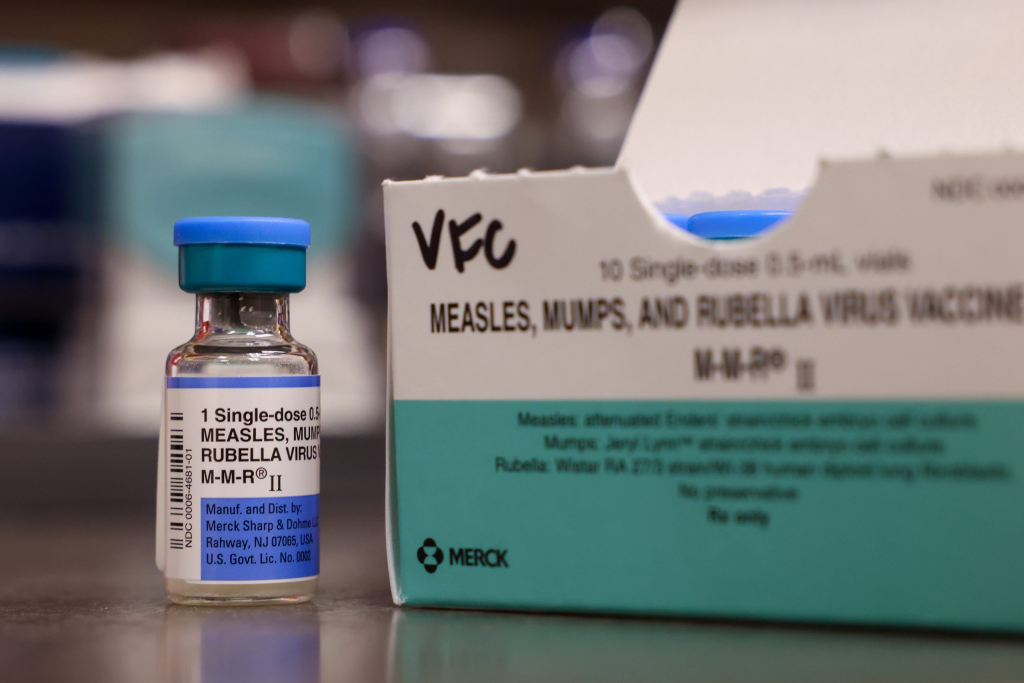
That message takes on new urgency with the recent measles outbreak in our state, and President Trump’s executive order calling for significant changes to the nation’s childhood vaccine recommendations, including splitting the combined measles, mumps and rubella (MMR) vaccine across separate visits. The order comes amid renewed claims linking childhood vaccines to autism — claims repeatedly contradicted by decades of scientific research.
As vaccine-preventable diseases resurge, Wisconsinites should follow the evidence and trusted medical expertise while making it easier — not harder — for families to protect their children.
All of this is especially fitting during National Immunization Awareness Month. Vaccines are one of the few health decisions that protect not only the individual but those around us as well. Infants, older adults, cancer patients and neighbors with weakened immune systems all benefit when more of us are protected.
Unfortunately, our state is already moving in the wrong direction. The Wisconsin Department of Health Services reports that only 66.9% of children reaching 24 months of age received the recommended routine vaccine series in 2025, down from 68.8% the year before. MMR vaccination rates among 2-year-olds have fallen below 80%, well below the approximately 95% coverage public health experts say is needed to prevent measles from spreading in a community.
This summer, the United States surpassed 2,700 measles cases, the highest total in 35 years. The overwhelming majority occurred among people who were unvaccinated, according to the U.S. Centers for Disease Control and Prevention.
Clark and Vernon counties had kindergarten MMR vaccination rates of just 44% and 50%, respectively, creating pockets where a single imported case could quickly spark a local outbreak.
Children are only part of the story. Protection against some diseases fades over time, which is why adults also need routine vaccinations. Many adults remain behind on their recommended flu, COVID-19, Tdap, RSV, pneumococcal and hepatitis B vaccinations. Staying current helps prevent serious illness and hospitalization, particularly among older adults and people with chronic health conditions.
And vaccination isn’t a rural issue or an urban issue — it’s a Wisconsin issue.
Whether you live in Milwaukee, Madison, Green Bay, Eau Claire, Platteville, Kenosha or a small town in between, viruses don’t recognize county lines or political boundaries. An outbreak in one community can quickly spread to another, disrupting families, straining health care workers and increasing costs for everyone.
Parents and adults deserve facts — not fear. They deserve public health recommendations grounded in evidence rather than unproven claims. Decades of research have found no credible evidence that vaccines cause autism, and the combined MMR vaccine has been safely used for generations.
The federal government may be changing its approach, but states still have a critical role in protecting public health. My hope is that Wisconsin will do the right thing: follow the evidence, listen to physicians and public health experts and ensure our children continue to have access to vaccinations based on sound medical evidence.
Families should rely on conversations with trusted physicians, nurses, pharmacists and local public health professionals rather than on misinformation circulating online.
As another school year begins, make vaccinations part of your family’s back-to-school routine, and don’t forget the adults in your life. Check immunization records through the Wisconsin Immunization Registry and ask your health care provider which vaccines are recommended for every member of your family.
The healthiest thing Wisconsin students can carry into school this year isn’t in a backpack. It’s the protection that comes from a community committed to keeping one another healthy and from public health decisions grounded in science.
Rob Gundermann is president and CEO of the Coalition of Wisconsin Aging & Health Groups (CWAG).

Guest commentaries reflect the views of their authors and are independent of the nonpartisan, in-depth reporting produced by Wisconsin Watch’s newsroom staff. Want to join the Wisconversion? See our guidelines for submissions.
Guest opinion: As vaccine guidance shifts, Wisconsin families should follow the evidence is a post from Wisconsin Watch, a non-profit investigative news site covering Wisconsin since 2009. Please consider making a contribution to support our journalism.
