


In April, the Cairngorms National Park Authority introduced a bylaw making it illegal to start a fire or a BBQ during the summer months to prevent wildfires.
Despite the huge blaze, figures suggest that move has been effective at reducing potential sources of ignition, with the number of campfires or barbecues recorded so far this year totalling 36 compared with 94 in the same period last year.
That’s still too many but the reduction perhaps emphasises the importance of preventing a fire’s spread.
Wildfires have been described to me as an “intermittent problem” because they’re seasonal and we don’t see large ones happening every year.
If they happened every year, it would become an obvious priority.
Preventing and tackling them both cost money and there are obvious questions around striking the balance between spending on both, not to mention wider affordability.
But climate change is predicted to bring more long, dry spells which create the tinderbox of summer 2026 and so all of this may be seen as an investment in the future.
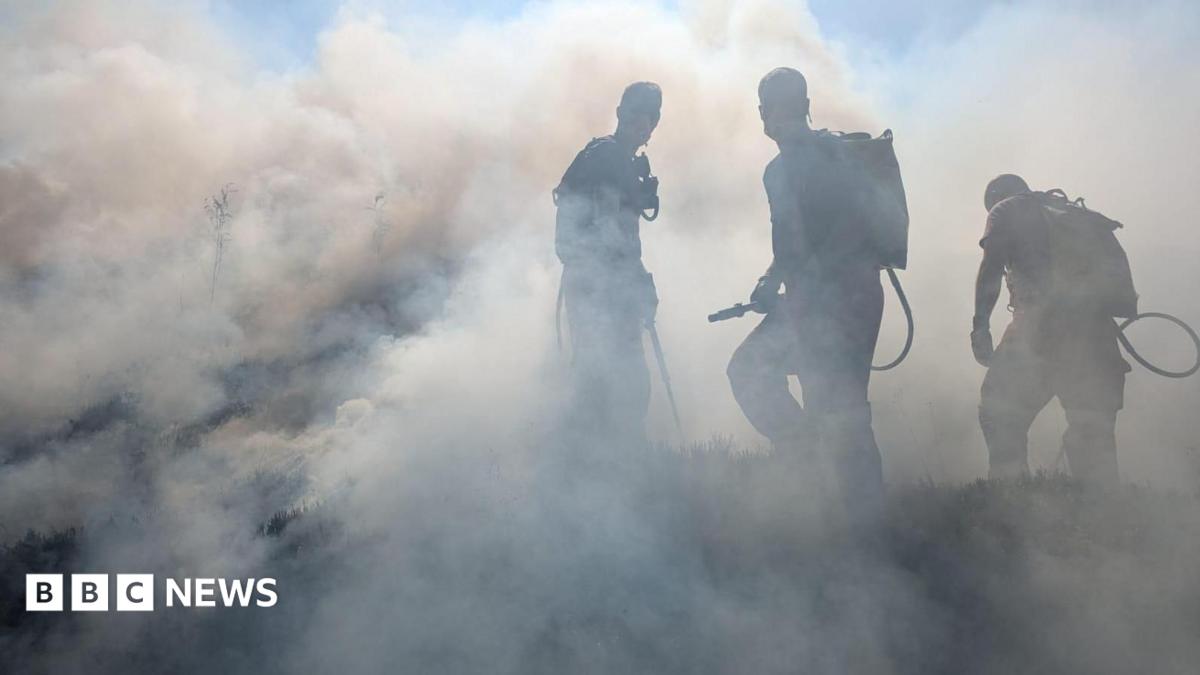
For five weeks, land managers with very opposing views on how the uplands should be managed stood side by side battling the enormous blaze which was sweeping through the Cairngorms.
They found a common purpose and it’s hoped that now seeing the countryside through a prism of wildfire risk may now be the unifier which sees them exchanging at least some practices – even if their end goals for the landscape still differ wildly.
