


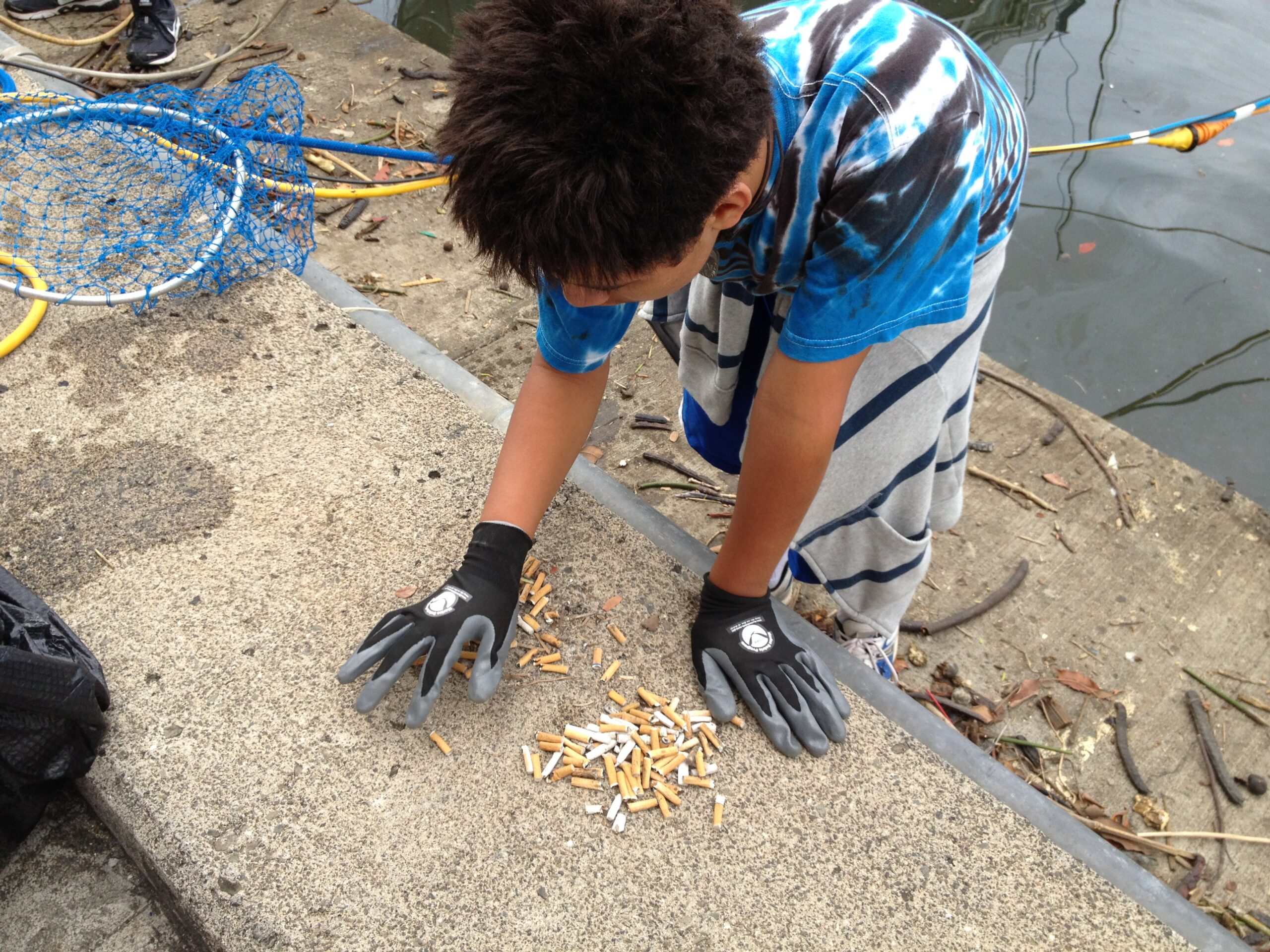
Cigarette butts account for roughly 12% of the litter found in rivers, lakes and beaches surveyed for a recent global review.
Researchers pooled data from 130 studies conducted in 55 countries between 2013 and 2024. Across all ecosystems, including both aquatic and terrestrial, researchers found on average a density of 1 cigarette butt every 4 square meters, or roughly 1 butt every 43 square feet.
The proportion was even higher in aquatic ecosystems. Researchers found that roughly one out of every nine pieces of litter, or 12%, of litter found in aquatic ecosystems was from cigarettes. In some studied coastal sites in Iran, Chile, Brazil and Peru, more than half of all the litter was cigarette butts.
“This shows the impact that a seemingly everyday human activity can leave even in some of the environments we try hardest to preserve,” lead author Victor Vasques Ribeiro, a researcher at Brazil’s Federal University of São Paulo, told Mongabay by email.
Cigarette filters are made of cellulose acetate, a plastic that can break down into microplastics, while the rest of the partially burnt butt — paper, ash and leftover tobacco — can leach toxic substances such as heavy metals, polycyclic aromatic hydrocarbons (PAHs), nicotine, and phenolic compounds into water.
“It’s often described as a kind of ‘chemical bomb’: when it comes into contact with water, these substances can be released and cause severe toxic effects in different animals,” Ribeiro said.
Beaches were identified as a main hotspot for contamination, likely because they’re recreation areas where large groups of people gather. Across 17 countries, the top 5% of hotspots with the most litter were mostly beaches.
Smoking bans on beaches were highlighted in the review as an effective measure to protect coastal ecosystems from these pollutants. Such bans in several countries, including Malaysia, Spain, Mexico and Italy, have been successful in reducing cigarette butt litter, especially when the ban also carries a fine, the study notes.
The review also found an average of 0.29 cigarette butts per square meter (one per 11 ft2) in unprotected sites, compared with 0.06 in protected areas. In other words, cigarette butts were nearly five times more common in unprotected areas, but even highly protected areas were subject to cigarette litter, the study notes.
“It may seem obvious, but it is important to say: there wouldn’t be butts in these environments if there wasn’t cigarette consumption,” Ribeiro said. “Reducing the consumption of tobacco has a double benefit: it reduces the enormous impacts on human health, and at the same time, reduces the production of this kind of litter and the environmental impacts it produces.”
Banner image: A volunteer counts cigarettes following a 2012 beach cleanup in Hawai‘i, United States. Image courtesy of the NOAA Marine Debris Program.
