


There is always something oddly unreal about party conference season. In theory, everyone is getting away from Westminster to better reflect on the state of the nation. In practice, the whole circus just briefly relocates to the coast, to live off warm white wine and gossip for three days, before coming back with a streaming cold. But this year, reality seems more elusive than usual.
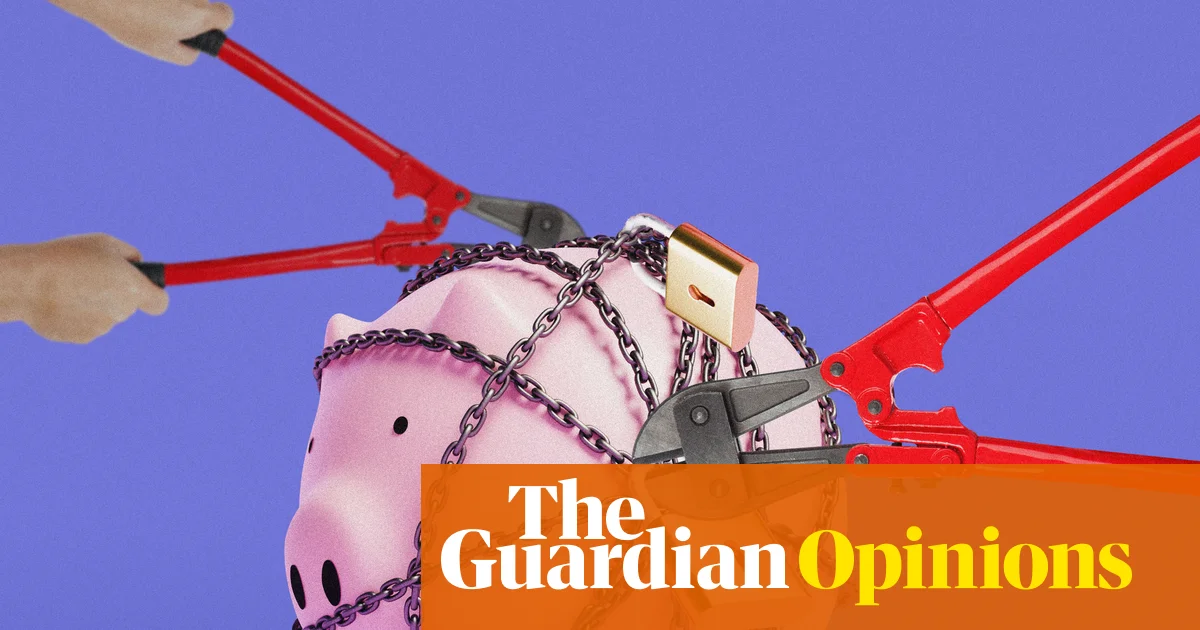
Everyone knows hard choices loom, but everyone is frightened to make them. Every serious party needs billions of pounds to fund their promises, and everyone knows there’s an obvious place to find the money, but nobody wants to be the first to say so. And so a deferential silence shrouds the pension triple lock, whose future will be vigorously debated on the fringes and in private conversation this autumn, but less so on the stage.
George Osborne’s shameless 2011 bid for pensioner votes – under which the state pension rises, come rain or shine, by whichever is the highest of inflation, average earnings growth for working people, or 2.5% – has already cost around three times as much as the Treasury originally expected.
The Office for Budget Responsibility reckons that by 2030 it will be swallowing more than £15bn a year – almost enough to fund the cause over which chancellor John Healey was recently willing to resign, namely raising defence spending to 3% of GDP in time to prevent a Russian attack on Nato. But even if you’re willing to roll the dice on another war, there’s no shortage of alternative proposals for spending the money.
The British Chambers of Commerce wants it diverted into tackling youth unemployment via cuts to national insurance, while the rightwing thinktank Centre for Social Justice argues for spending it on boosting the life chances of working-class boys. But perhaps more fittingly, it could pay for Andy Burnham’s dream of free social care for the very age group that is liable to lose out from breaking the lock. Would pensioners rather have a 3.9% rise next year – though it could be higher, if inflation really rockets this autumn – or relief from the fear of having to sell family homes to fund nursing care? Because right now, it’s difficult to see how they can have both. Yet the failure to be honest about these tradeoffs is bending British politics out of shape.
It’s making fools of MPs, who will readily say in private that the triple lock is unaffordable but have to keep pretending otherwise in public, even as they’re being asked to nod through painful cuts to disability benefits. It’s sending young and painfully squeezed people a message that nobody cares about them, fuelling intergenerational resentment. And it’s encouraging a phoney debate about tax and spend, in which parties of the left pretend they can find serious money from unicorn taxes – the magical kind that raise billions but somehow without hitting anyone likely to vote for them, or driving the highly mobile rich to Monaco – while parties of the right pretend they can make huge welfare savings they somehow missed during 14 years in power.
Breaking the triple lock is becoming enough of a no-brainer to attract genuine cross-party consensus, stumped only by the cross-party conviction that the public will hate them for it.
That fear is not unfounded. According to YouGov, two-thirds of Britons – and 70% of over-65s – want to keep the lock. Labour remains terrified of repeating Rachel Reeves’ 2024 gambit, when she tried to take winter fuel allowance away from better-off pensioners in a hurry, but couldn’t bring herself to make the political case for doing so, and was eventually forced into retreat.
For the Tories, going after pensioners would be suicidal, and the same goes for the Liberal Democrats, so long as they’re trying to hold on to the formerly true-blue shire seats they captured two years ago. Only the Greens seem to be keeping their options open, and they’re not going to win the next election. Fear of a pensioner backlash is distorting everything, like a dam in a river that forces the water to find other ways around it, eroding the banks until they eventually collapse.
Nobody is arguing that pensioner poverty has ceased to be a problem. (If anything, retirees of the future are likely to have smaller cushions to fall back on than baby boomers did, which means this conversation may get harder the longer it’s deferred.) And even for those who aren’t on the breadline, the prospect of losing money at an age when you can no longer try to earn your way out of trouble is genuinely frightening.
But there are better ways of helping older people who genuinely need it than a triple lock that benefits both rich and poor, and working-age poverty is real too. Choosing to shield pensioners from the harsh economic realities of the last few years has hit some of their children and grandchildren unfairly hard: while pensioner benefits rose in real terms by £900 between 2010-11 and 2024-25, benefits for children and working-age people fell by £1,400, according to the Resolution Foundation thinktank. Yet anyone daring to make that case at the next election for breaking the lock can expect to be mercilessly shelled by rivals, including those who deep down agree with them.
What is focusing minds now is the realisation that for the first time, next spring, the state pension may rise high enough to attract tax (though ministers say anyone poor enough to rely solely on it would be exempt). The stealth option would be to keep the triple lock nominally in place, but tax away the increase for wealthier pensioners – essentially giving with one hand and taking with the other, a bit like the Tories did over child benefit for higher-rate taxpayers. It avoids an outright confrontation, but plenty of pensioners will notice the money being clawed back and resent it nonetheless.
Better, surely, to break the lock as part of a new and much broader deal on generational fairness, which protects vulnerable elderly people but recognises that the young are also struggling – while lifting the burden of social care and settling arguments around pension tax relief into the bargain.
Smart spending in an era of shrinking resources ought to mean working out how to use the same money differently to meet new challenges, not just clinging to the past because you can’t face talking about the future. But for now, it seems, that’s just a little too much reality to bear.
