


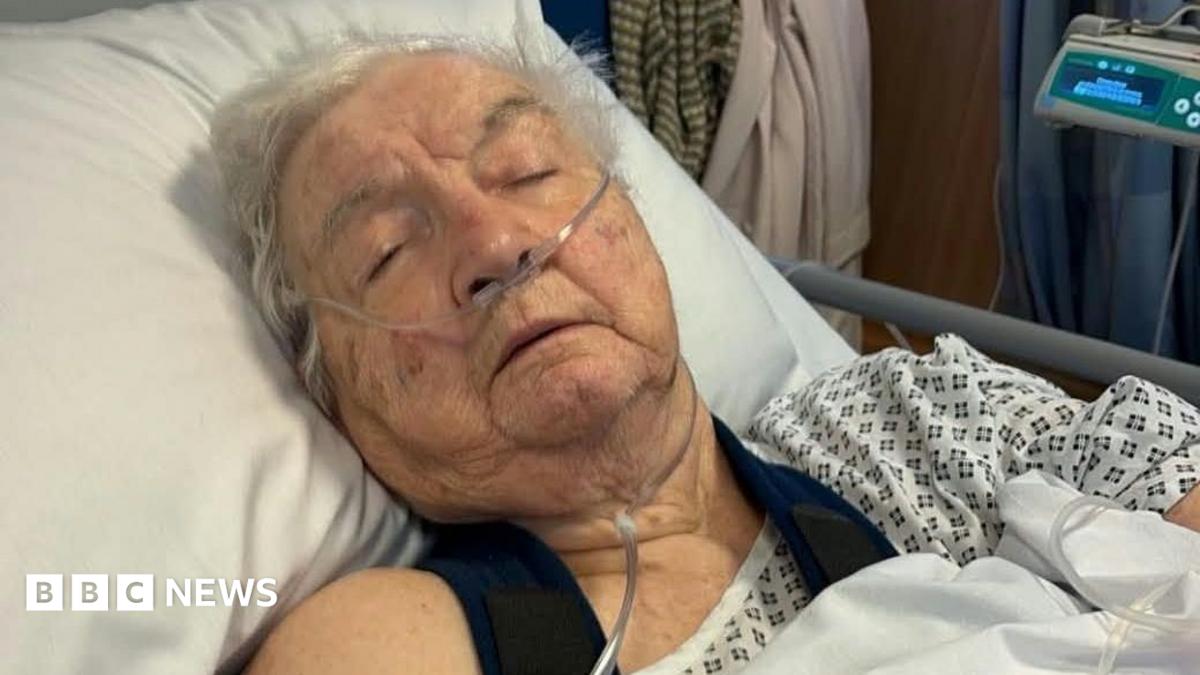
“It’s not a service, is it really? It’s a huge systemic problem and nobody seems to be getting to grips with it,” Anthony said.
“It’s a terrible indictment on the health service and nobody seems to be getting to grips with it.
“There are far too many examples of similar injuries, similar waits,” he said.
Anthony said he had submitted a formal complaint to the Welsh Ambulance Service and the Welsh government.
Brooks, the ambulance service’s chief operating officer, said he was “grateful” to have the incident brought to his attention.
“Waiting almost eight hours for help is not the standard of service we want to provide,” he added.
He said a preliminary review identified “aspects” of the way the call was managed that require further investigation and staff were looking “carefully” at what happened to understand if there were opportunities to respond differently.
In July 2025, NHS Wales re-categorised ambulance calls – purple for cardiac or respiratory arrest and red for major trauma and other emergencies where patients risk cardiac or respiratory arrest.
In December, three new categories were introduced – orange for serious conditions, yellow for people who need to be assessed and green for less urgent.
According to NHS activity and performance data for the past two months, the median ambulance response times for red calls was nine minutes and 32 seconds – missing the target of six to eight minutes.
The median response for purple calls was seven minutes and 31 seconds – within target.
For orange calls, the median response time increased to nearly one hour 30 minutes, up from about one hour.
The category’s lengthiest response time period, since records began last December, was in January at one hour and 53 minutes.
Data on response times for yellow and green calls, and the response time target for orange calls, are not published publicly.
In September, the ambulance service received 11,868 orange calls, 5,492 yellow calls and 1,414 green calls.
