


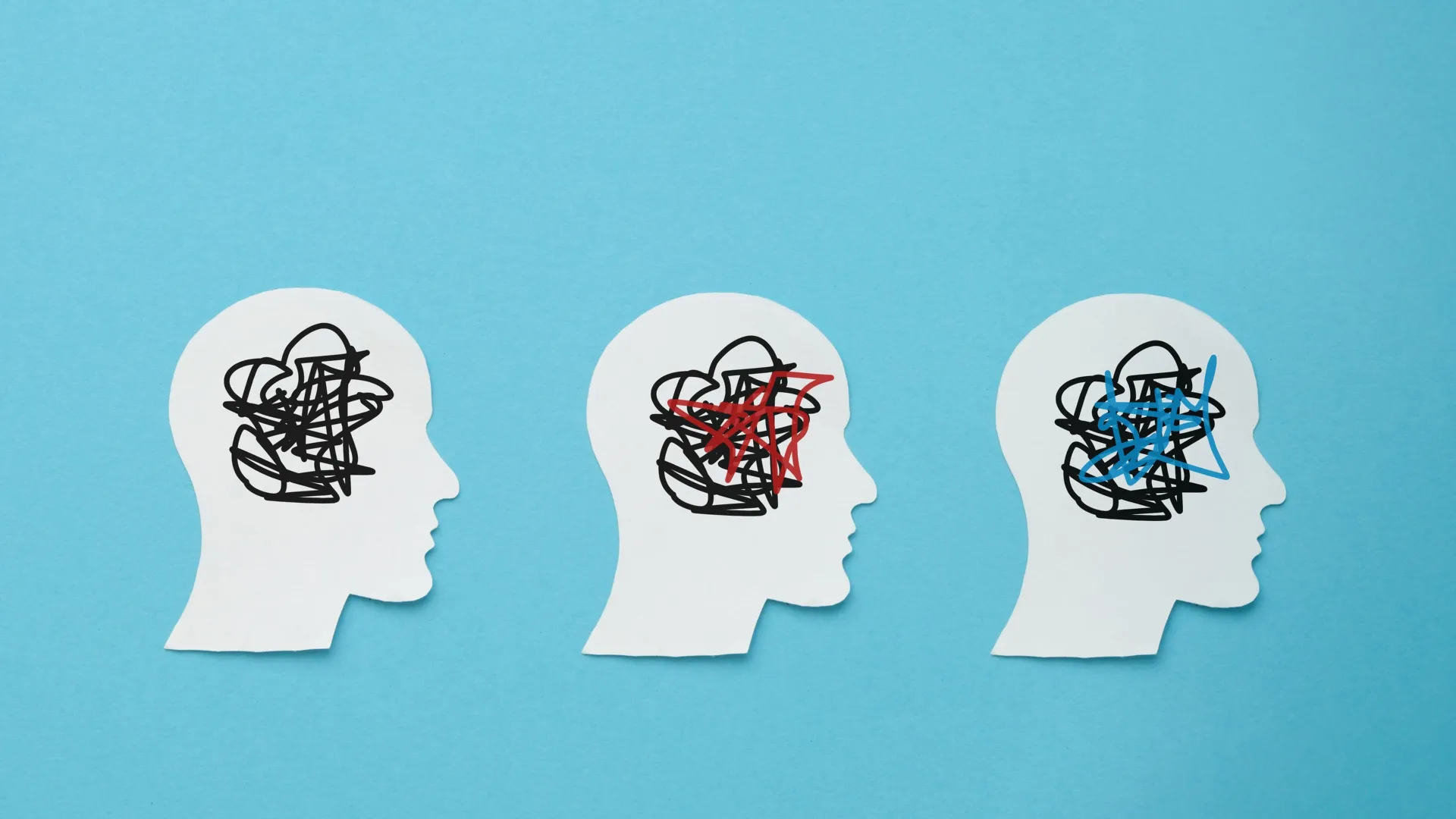
A new Stanford Medicine-led study has identified three distinct biological brain types, known as biotypes, in children with attention-deficit/hyperactivity disorder (ADHD), anxiety disorder or both conditions.
The findings could help unravel the complicated relationship between two of the most common childhood mental health disorders, which frequently share symptoms. Published recently in Nature Mental Health, the study reveals that each biotype involves disruptions in a different set of brain circuits.
By examining thousands of functional magnetic resonance imaging (fMRI) scans, researchers identified three biological patterns associated with different groups of symptoms. These findings could eventually help doctors recognize ADHD and anxiety earlier, identify new targets for treatment, and determine which therapies are most likely to benefit individual patients.
“The high overlap between ADHD and anxiety actually hinders our understanding of the neurobiology underlying traditional, symptom-based diagnoses,” said co-senior study author Yu Zhang, PhD, assistant professor of psychiatry and behavioral sciences.
Doctors currently rely on symptom checklists to diagnose ADHD and anxiety. However, Zhang explained that children diagnosed with either disorder frequently experience symptoms associated with the other.
Looking Beyond Traditional ADHD and Anxiety Diagnoses
Yong Jiao, PhD, a postdoctoral scholar at the University of Iowa, is the study’s lead author. Zhang shares senior authorship with Jing Jiang, PhD, assistant professor of pediatric neurology at the University of Iowa.
“We wanted to know whether the biological differences among children with ADHD and anxiety follow the diagnostic labels used in the clinic,” Zhang said.
The researchers found that the relationship was not so straightforward. Children diagnosed with ADHD, anxiety or both could belong to any of the three brain biotypes, although some biological patterns were more prevalent among children with particular diagnoses.
According to the researchers, identifying these underlying differences could add a valuable layer of biological information to existing diagnostic categories, benefiting both future research and clinical care.
AI Uncovers Hidden Patterns in Thousands of Brain Scans
The research team drew on data from the Adolescent Brain Cognitive Development study, an ongoing investigation of brain development involving more than 11,000 children across the United States. Participants were 9 or 10 years old when they entered the project.
The analysis included 3,508 children who already had a diagnosis of ADHD, anxiety or both when they enrolled, along with 693 children who initially had neither diagnosis but subsequently developed one or both conditions. Another 1,947 children who never received either diagnosis served as a control group.
All participants underwent fMRI brain scans and completed a series of cognitive and behavioral assessments. To independently validate their findings, the scientists examined brain scans from another 224 children participating in a separate research project called the Healthy Brain Network. Each child in this additional group had been diagnosed with ADHD or anxiety disorder.
The team developed an artificial intelligence model to investigate functional connectivity, which describes how different regions of the brain work together. By incorporating diagnostic information and behavioral test results, the model identified patterns of brain connectivity that were more pronounced in children with ADHD, anxiety or both compared with those who had neither condition.
Combining behavioral information with brain imaging data revealed two major dimensions of dysfunction associated with ADHD and anxiety: cognitive-behavioral dysfunction and emotion-attention dysfunction.
Each dimension involves a different network of brain regions. Different combinations of these disruptions produced three distinct biotypes, which the researchers named the externalizing-disinhibited biotype, the internalizing-distressed biotype and the mixed biotype.
Three Distinct Brain Types and Their Symptoms
The three biological categories were mutually exclusive (each child was in only one biotype), but none was limited to a particular traditional diagnosis.
Children belonging to the externalizing-disinhibited group tended to exhibit higher levels of impulsivity, hostility, defiance, aggression and rule-breaking behavior. ADHD diagnoses were more common among children in this group.
The internalizing-distressed group was characterized by greater feelings of guilt and tension, stronger perfectionist tendencies, and more symptoms associated with anxiety and depression. Children with this biological profile were more frequently diagnosed with anxiety disorders.
Those in the mixed group experienced more difficulties with attention, irritability and self-injury. Like children in the externalizing-disinhibited group, they were more likely to have an ADHD diagnosis.
Despite these tendencies, researchers found every combination of brain biotype and conventional diagnosis among the children they studied.
Brain Changes Could Reveal ADHD and Anxiety Before Diagnosis
One of the most surprising findings emerged when scientists examined brain scans taken from children who had not been diagnosed with ADHD or anxiety when they first entered the study.
The distinctive biological patterns were already detectable in their initial scans, even though the children did not receive a diagnosis of ADHD, anxiety or both until later.
“We think this means we may be able to use the biotypes as an early indicator of these conditions,” Zhang said, noting that identifying these patterns before diagnosis was the most unexpected aspect of the research. “It could help us provide more timely intervention for these conditions and slow down or, we hope, even reverse their progression.”
Toward More Personalized ADHD and Anxiety Treatments
Zhang does not expect the newly identified brain biotypes to replace conventional diagnoses based on symptoms. Instead, combining the two approaches could help clinicians select treatments that are better suited to individual children.
Finding an effective treatment for ADHD or anxiety currently involves considerable experimentation. Children may need to try several medications before discovering which one provides meaningful relief.
“When doctors prescribe a new medication, it can take quite a long time — a couple of weeks or months — to see a response,” Zhang said. “If the first medication doesn’t work, they switch to a different one”
This process can be lengthy, expensive and frustrating.
Zhang hopes future clinical trials will build on the team’s findings by investigating how different treatments affect specific patterns of brain activity. Such studies could eventually help researchers determine which therapies are most effective for each of the three biotypes.
“We want to find biomarkers that can really inform the right treatment at the right time,” he said.
Researchers involved in the study are affiliated with Stanford University’s Wu Tsai Neurosciences Institute and the Stanford Institute for Human-Centered AI.
Additional contributors came from the University of Iowa, the University of Texas at Austin and the University of Pennsylvania Perelman School of Medicine.
The research received funding from the National Institutes of Health (grant numbers R01MH129694, R01MH136197, R01MH145082, R01MH140425, U24AA021697, R01DA057567, R37MH101495 and R01MH132784), the Eagles Autism Foundation, the Stanford Knight Initiative for Brain Resilience, the Rosenkranz Foundation, the Brain and Behavior Research Foundation, and the Effie and Wofford Cain Foundation.
