


Speaking on Friday, Burnham argued that polling suggests the UK public “want closer ties” with the EU and the deal “delivers that”.
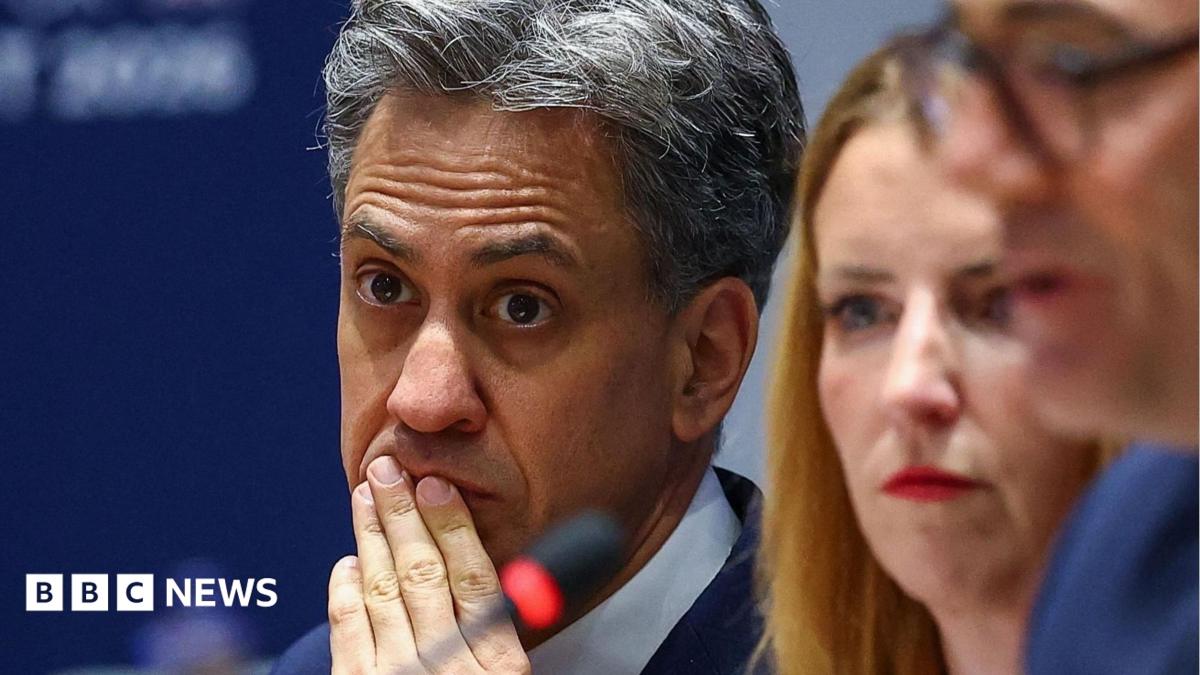
Miliband told the BBC that “of course all the options will be on the table” when pressed on whether rejoining the bloc would be considered, adding that “we will look at the benefits and the costs of all the different options”.
He said that while he accepted the result of the 2016 Brexit referendum, “the world has changed massively”.
“Europe is changing too, so we’ve got to look at what that means. It’s not about this parliament, we’re respecting the red lines in this parliament,” he added.
Conservative leader Kemi Badenoch said the deal was “not fair”, arguing that UK farmers would have to follow rules set in Brussels and young people from the EU would “compete” with young Britons struggling to get jobs at home.
She also claimed Burnham had “plucked” the £17bn figure out of thin air, and said the only modelling she had seen of how the agreement could boost the economy put the figure at “0.0%”.
Reform UK leader Nigel Farage said Friday marked a “betrayal of the British people” and a good day for the EU to “try and humiliate” the UK.
Farage, who was a leading figure in the 2016 campaign to get Britain out of the EU, wrote on social media: “Like every prime minister before him, Burnham is a total fraud.”
Liberal Democrat leader Sir Ed Davey said there needed to be more than “tweaks” to the UK’s relationship to the EU.
“A youth mobility scheme is a big step forward, but it’s nowhere near enough. We need a whole new deal that actually works for Britain, and fast.”
Speaking to BBC Radio 4’s Today programme, the University of Manchester’s vice chancellor Professor Duncan Ivison said closer UK-EU relations were a “good thing” but “the issue of tuition fees is something we do have to figure out because there is a cost”.
He warned that EU students being allowed to pay domestic university fees would “take £500m, we estimate, out of the higher education sector at a time where there’s a lot of pressure on the sector”.
He added: “If EU students come and are paying domestic fees, it’s not clear we’d be able to increase the number of places for EU students anyway.”
Environment Secretary Dame Angela Eagle said the Treasury and Department for Education would work with universities to find a solution during negotiations.
She told BBC Breakfast: “I don’t think anybody wants to do deals that negatively impact anything. We want win-win deals.”
