


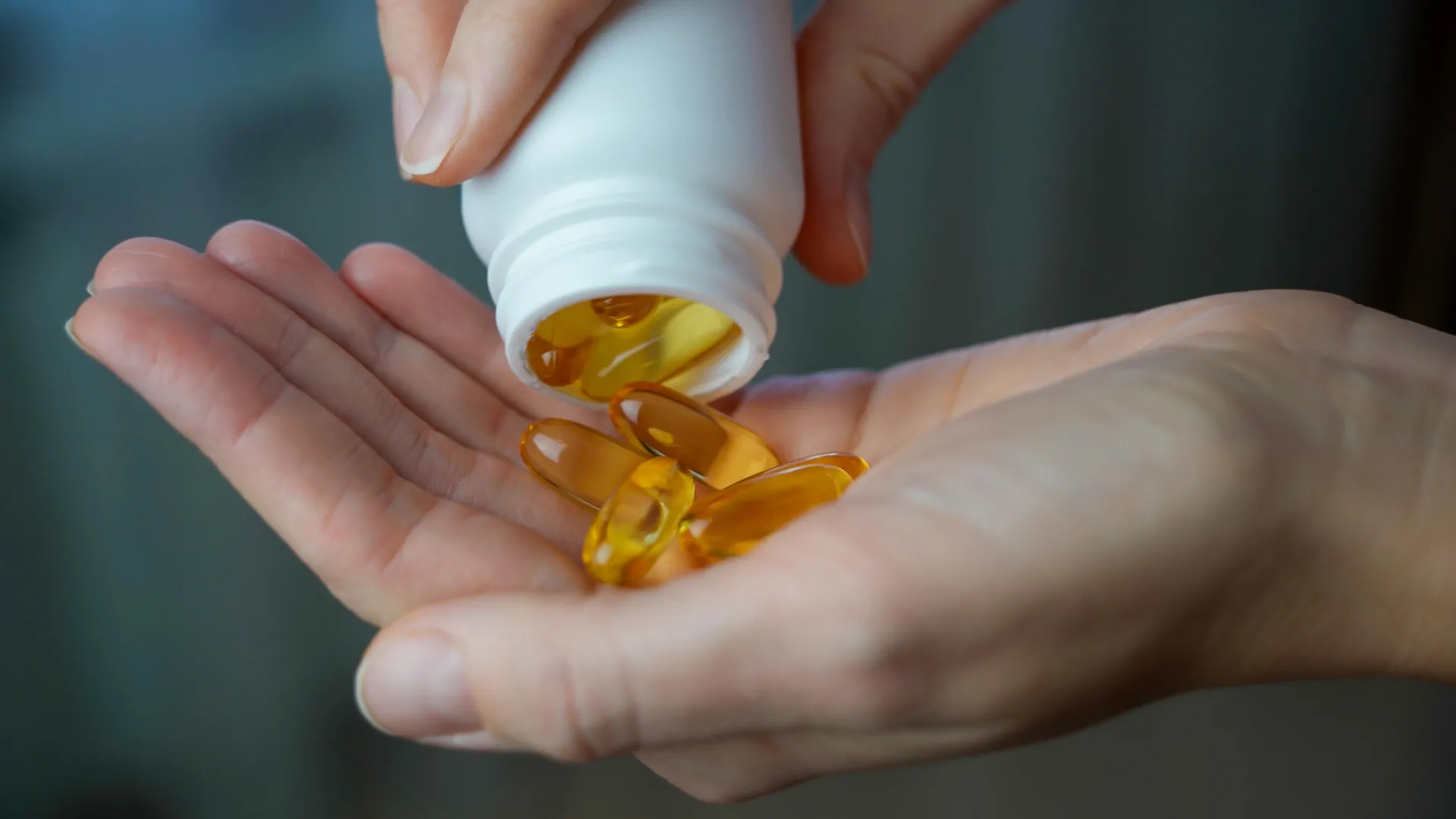
A widely available nutritional supplement derived from vitamin B5 may offer a promising new approach to treating psoriasis, according to research from China. Scientists found that pantethine can calm immune cells involved in autoimmune inflammation, preventing psoriasis from developing in mice and improving symptoms in a small human clinical trial.
The findings, published October 27 in the Journal of Experimental Medicine (JEM), reveal an unexpected connection between cholesterol production and the immune system. By interfering with this process, pantethine may help reduce the excessive immune activity responsible for psoriasis and potentially other autoimmune diseases.
How Overactive Immune Cells Contribute to Psoriasis
At the center of the discovery are dendritic cells, specialized immune cells that help organize the body’s defenses. These cells act as coordinators, identifying potential threats and directing other immune cells to respond.
Dendritic cells perform this role by capturing foreign substances called antigens and presenting them to T cells, which are immune cells that recognize specific threats. They also release chemical signals that recruit additional immune cells and trigger inflammation.
Although these activities are essential for fighting infections, problems can arise when dendritic cells become excessively active. Instead of helping protect the body, they can contribute to persistent inflammation and autoimmune diseases such as psoriasis.
“Emerging evidence highlights that metabolic pathways and their associated metabolites play vital roles in regulating immune cell function and autoimmune progression,” says Wei-Na Zhang, a researcher at the State Key Laboratory of Biomedical Analysis in Beijing. “But therapeutic strategies targeting metabolism in inflammatory diseases remain underexplored.”
Zhang led the research alongside Qing Xia, Ai-Ling Li, and Tao Zhou, also from the State Key Laboratory of Biomedical Analysis, and Cheng-Xin Li from The First Medical Center of Chinese PLA General Hospital in Beijing.
Scientists Discover a Hidden Link Between Cholesterol and Psoriasis
The researchers identified unusually high levels of enzymes called Vanins in dendritic cells from people with psoriasis and several other autoimmune diseases. These enzymes help regulate the processing of certain substances involved in cellular metabolism.
When the scientists reduced Vanin levels, dendritic cells became less active and were less capable of stimulating T cells. They also found that a drug designed to inhibit Vanins prevented psoriasis from developing in mice.
Further investigation revealed why these enzymes might play such an important role.
Vanins convert pantethine into vitamin B5, an essential nutrient that cells need to produce energy. Pantethine is already sold as a nutritional supplement and is commonly used to help lower blood cholesterol because it can reduce cholesterol production.
This connection is particularly interesting because cholesterol does more than circulate in the bloodstream. It also influences how immune cells function. Previous research has shown that cholesterol can stimulate dendritic cell activity, while elevated blood cholesterol is a major risk factor for developing psoriasis.
The team discovered that excessive Vanin activity reduces the amount of pantethine available inside dendritic cells. As pantethine levels fall, cholesterol production increases, causing these immune cells to become unusually active.
Restoring pantethine levels interrupted this process. The supplement reduced cholesterol accumulation within dendritic cells and helped suppress the excessive immune activation associated with inflammation.
“We found that pantethine administration effectively alleviated psoriasis in mice, suggesting that insufficient pantethine levels may be the crucial contributor to hyperactivation of dendritic cells and autoimmune inflammation following the up-regulation of Vanins,” Zhang says.
Common Supplement Shows Promise in Human Psoriasis Trial
Encouraged by the laboratory and animal findings, the researchers investigated whether pantethine might also benefit people living with psoriasis.
They conducted a small clinical trial involving 24 patients with the condition. All participants received a topical ointment containing calcipotriene/betamethasone, a combination treatment used to control psoriasis symptoms. Calcipotriene is a vitamin D derivative that helps regulate skin cell growth, while betamethasone is a corticosteroid that reduces inflammation.
Half of the participants also took pantethine tablets, allowing researchers to examine whether adding the supplement improved the results of standard treatment.
After 12 weeks, the patients who received pantethine alongside their prescribed ointment showed greater improvement in psoriasis symptoms. The benefits were especially noticeable among participants who had high blood cholesterol levels before treatment.
These findings suggest that pantethine could potentially serve as an additional treatment for psoriasis, particularly in patients whose cholesterol metabolism may be contributing to inflammation.
However, the trial included only 24 people, and the researchers emphasize that larger studies are necessary to confirm the supplement’s effectiveness. The human results also do not establish that the same biological mechanism observed in laboratory experiments is responsible for the improvement in patients.
“Our investigator-initiated clinical trial demonstrated encouraging therapeutic efficacy of pantethine as an adjunctive therapy in psoriasis, but these findings should be interpreted as proof-of-concept for clinical feasibility rather than direct mechanistic validation,” Zhang says. “Overall, our study uncovers the Vanin-pantethine-cholestrol axis as a key metabolic pathway governing dendritic cell activation and provides a foundation for therapeutic strategies targeting several dendritic cell-mediated autoimmune diseases.”
