


Although the wars in the Middle East and Ukraine are spurring governments to increase spending on defense and focus more on economic growth, it would be a mistake to postpone investments designed to protect nature. In fact, meeting internationally agreed targets could add up to $450 billion to annual global GDP by 2050.
YEREVAN—In times of war, geopolitical turmoil, and fiscal tightening, it is tempting to view the defense of nature as a desirable but non-urgent goal—an objective that can be pursued when calmer times return. But we embrace this view at our peril.
As world leaders gather for the United Nations biodiversity and climate-change conferences this fall, they must remember that over half of global GDP depends on nature and the services it provides. Healthy soils underpin a $9.5 trillion global food industry, while forests support 1.5 billion livelihoods around the world. Healthy rivers help absorb floodwaters and sustain vital transportation networks. Nature is the backbone of the global economy, and protecting it must be a top national and international priority.
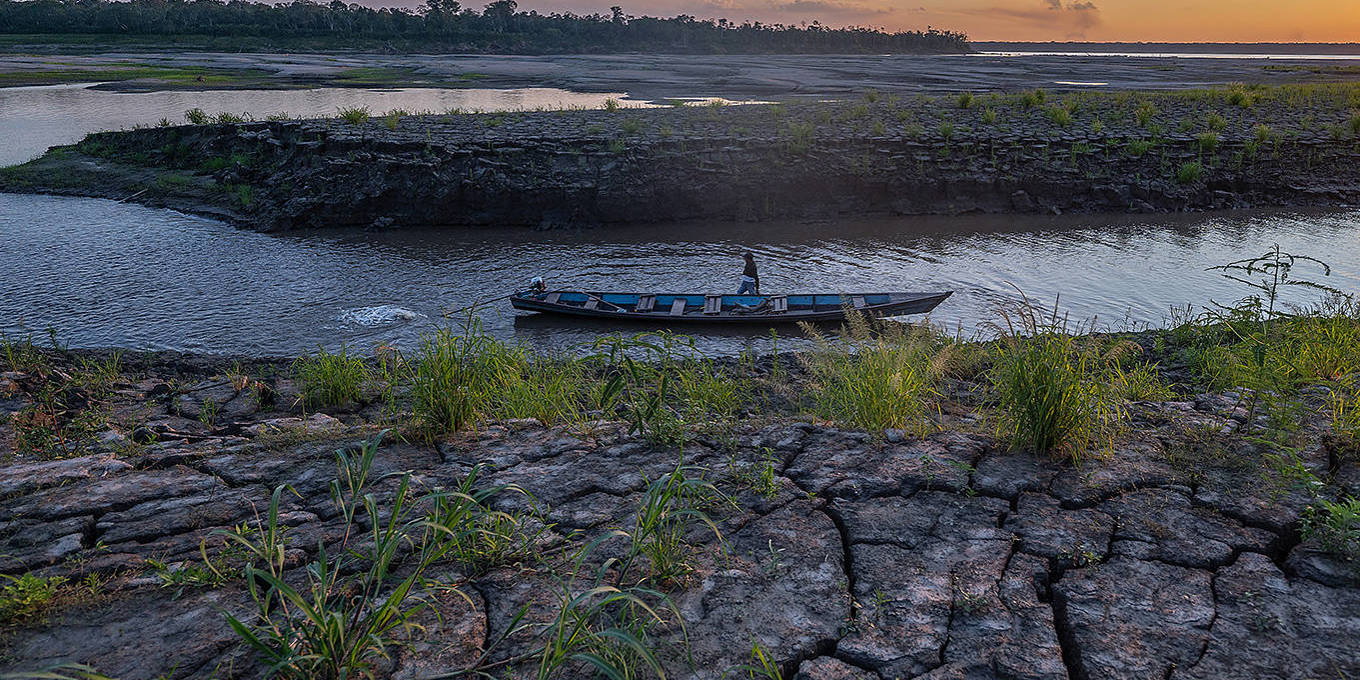
Nature-related crises won’t wait until the wars in the Middle East and Ukraine are over. This summer’s sweltering drought in Europe caused $2-3 billion in crop losses, a double blow for farmers after the war-induced closure of the Strait of Hormuz caused fertilizer prices to surge by 71%. The combined effects of conflict and extreme weather have helped push global food prices to their highest levels since 2022.
All told, scientists predict that a partial collapse of ecosystems could cost the global economy $2.7 trillion annually. Despite intense geopolitical instability, we cannot afford to undermine the natural systems on which our economies depend. The global goal to protect and conserve at least 30% of the world’s land and ocean by 2030, known as 30×30, is more important than ever.
Protecting nature is an investment in resilience and solidarity. Resilience strengthens food and water security, and the capacity to weather climate shocks. It sustains livelihoods, public health, and long-term economic stability. The 30×30 goal, adopted by governments in 2022 under the landmark Kunming-Montreal Global Biodiversity Framework, recognizes that protecting nature is fundamental to providing these and other public goods.
For example, kelp beds, mangroves, and marshes absorb carbon dioxide, while coral reefs help protect against storms and provide natural habitats for some of the world’s most diverse ecosystems. On land, forests regulate rainfall and support the livelihoods of local communities, and healthy soils retain water and nutrients that are vital to global food security and flood protection.
Four years on, the world has made significant strides toward the 30×30 goal. New analysis from Campaign for Nature shows that 20% of land and inland waters are now designated as protected or conserved, and that fully delivering on existing commitments could increase this share to approximately 27% by 2030, closing much of the remaining gap.
Progress at sea, however, has been much slower. Only 10% of the ocean is formally designated for conservation, and existing commitments would increase this to a mere 12% by 2030. Worse, Together for the Ocean’s latest Ocean Protection Gap Report finds that only 3.5% of the ocean is assessed as effectively protected, with harmful activities continuing in many areas that are supposed to be off limits.
With just four years remaining, the world still has a chance to achieve 30×30, which is one of the defining global commitments of this decade. But what will it take to make up for lost time?
For starters, governments must dramatically increase financing for nature. Delivering 30×30 will require approximately $100–180 billion annually, compared with current annual spending of $24 billion. But, again, this spending represents an investment, not just a cost. Achieving 30×30 could add up to $450 billion to annual global GDP by 2050 and support an estimated 4–7 million jobs.
Policymakers at all levels urgently must move from talking about solutions to implementing them. As of May 2026, 116 countries had submitted commitments to protect up to 27% of land and inland water areas. But many have yet to follow up with mapped, costed, and financed plans. Commitments alone will not protect nature.
Protecting more of the planet is only part of the challenge. Governments also must ensure that protected and conserved areas are well managed, deliver real benefits, and meaningfully preserve biodiversity. That requires long-term funding arrangements that can endure through changing economic and political cycles.
There is no denying that the global outlook is uncertain. The wars in the Middle East and Ukraine are spurring governments to increase spending on defense and focus more on economic growth. But it would be a mistake to put nature on the back burner. Protecting natural systems is not just for the bees. Investing in their future is an investment in our own.
