


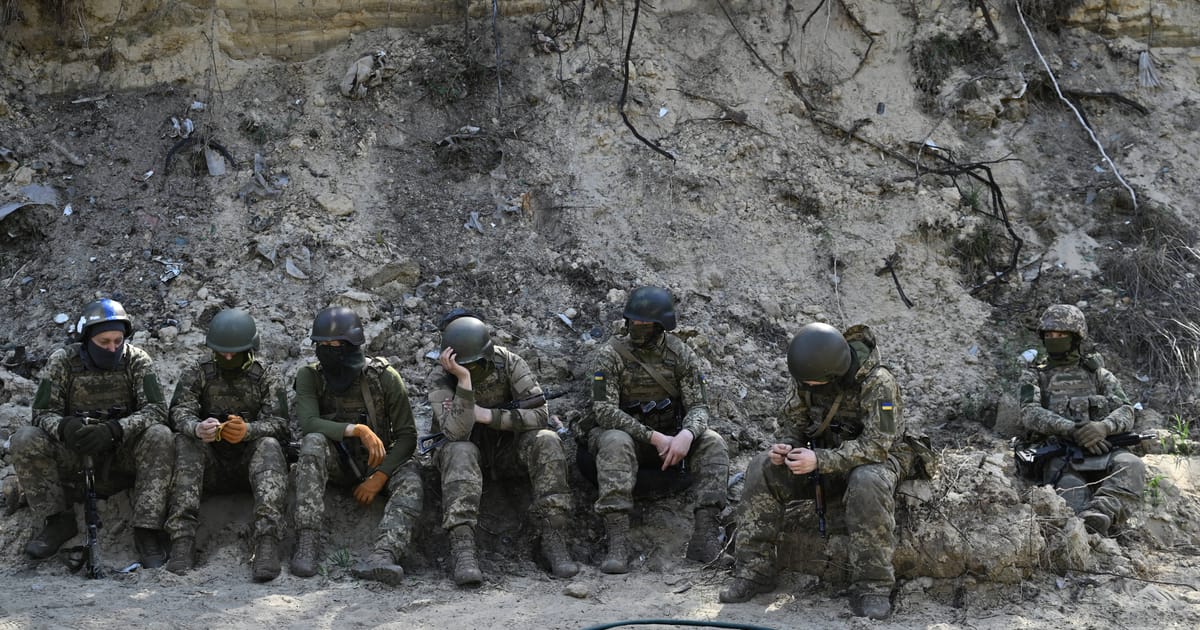
“Foreign volunteers themselves also vary enormously in experience, capability and motivation. Ukraine has learned a tremendous amount since 2022 about what makes a foreign volunteer genuinely valuable, and those lessons should shape what comes next,” Mobbs said.
Family complaints
As well as red tape linked to residence status, foreign fighters also complain about not being paid, not being given adequate medical care, the lack of official combatant status that gives social benefits and protections, and inadequate provision of food and military supplies, the military ombudsman’s office said.
There is also criticism over how Ukrainian bureaucracy deals with the families of volunteers.
More than 10% of the complaints to the ombudsman’s office come from families requesting official confirmation of whether a volunteer is missing or has been killed in action, Kalenchuk said.
“For me, this is where the shortcomings become very personal. These are mothers, fathers, wives and children whose loved ones traveled thousands of miles to defend a country that was not their own. Some families have told us they feel forgotten after that sacrifice — or even maligned when they ask difficult questions or push for answers. That should never happen,” Mobbs said.
According to her, some families have learned of deaths from fellow soldiers, or via social media, before receiving official notification. Families can spend months navigating military units, ministries, diplomatic missions, identification and repatriation procedures, and compensation and benefits under Ukrainian law without one clear pathway or person responsible for guiding them.
